Surf Indonesia: The Best Surf Spots & Destinations in Indonesia (+ How to Choose the Right One)
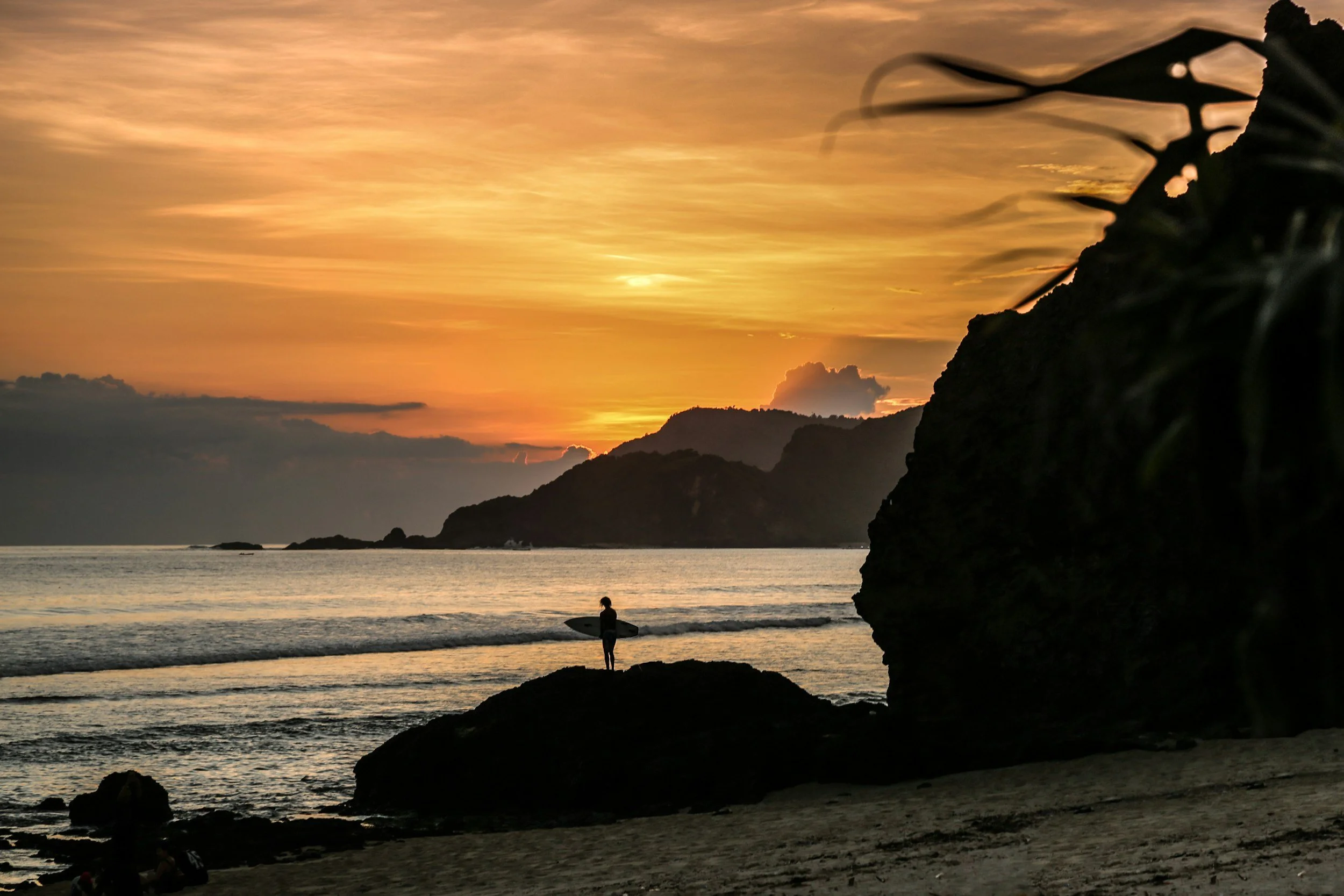
Indonesia is one of those rare places where an entire surf trip can revolve around choosing the right island rather than simply finding good waves. With more than 17,000 islands stretching across the equator, you'll find everything from beginner-friendly beach breaks in Bali to the world-famous reef barrels of the Mentawai Islands—and no two destinations feel quite the same.
Between surfing Bali and Lombok myself and researching Indonesia's top surf spots for a feature published by Paradise, I quickly realized there isn't a single "best" place to surf in Indonesia. The right spot depends on your experience level, the kind of trip you're hoping to have, and how much time you want to spend traveling between islands.
This guide, in contrast to what I wrote for Paradise, goes beyond just the top surf spots in Indonesia and compares them to help you choose where to go, when to visit, and how to plan a trip that fits your surfing goals—whether you're catching your first green wave or chasing some of the world's most iconic reef breaks.
Which Indonesian Surf Destination Is Right for Your Surf Trip?
If you're looking for the short answer, here's where I'd start:
| If You're Looking For... | Best Destination | Why |
|---|---|---|
| Your first surf trip to Indonesia | Bali | The easiest island to reach, with waves for every ability level and plenty to do off the board. |
| Learning to surf | Bali | Consistent beginner breaks, experienced instructors, and lots of surf schools. |
| Improving your surfing | Lombok | A wide variety of waves make it ideal for progressing beyond the beginner stage. |
| World-class barrels | Mentawai Islands | Home to some of the most famous reef breaks on the planet. |
| Fewer crowds | Sumbawa | Excellent surf with a quieter atmosphere than Bali or Lombok. |
| Legendary left-hand waves | Java (G-Land) | A bucket-list destination for experienced surfers chasing long, powerful lefts. |
| Surf mixed with adventure | Sumba | Remote scenery, uncrowded waves, and a chance to experience a different side of Indonesia. |
My recommendation: If it's your first trip to Indonesia and you have around two weeks, I'd split my time between Bali and Lombok. Together they offer an incredible variety of waves, relatively easy logistics, and plenty to experience beyond surfing—all without spending half your vacation in airports and ferry terminals.
Map of Indonesia's Best Surf Destinations
Indonesia's best surf isn't concentrated in one place. Instead, it's spread across thousands of islands stretching more than 3,000 miles (5,000 km) across the equator. While that means you'll find incredible variety—from mellow beginner beaches to legendary reef breaks—it also means choosing where to surf is just as important as deciding when to visit.
Use the map below to get a sense of where Indonesia's top surf destinations are located before diving into each one in more detail.
Planning tip: Indonesia is much larger than it appears on a map. If you have one to two weeks, I'd recommend focusing on one or two destinations rather than trying to island hop across the country. You'll spend less time in airports and ferries—and a lot more time surfing.
Why Surf Indonesia?
Indonesia has earned its reputation as one of the world's premier surf destinations, but it's not because every wave is bigger or better than everywhere else. It's because few countries offer such an incredible combination of wave variety, year-round consistency, and unforgettable travel experiences in one place.
Whether you're learning to surf on Bali's forgiving beach breaks or paddling into heavy reef waves in the Mentawai Islands, there's a destination suited to almost every skill level.
Waves for Every Surfer
One of Indonesia's biggest strengths is its variety. Beginners can take their first lessons on sandy-bottom beach breaks, intermediate surfers can progress on playful reef waves, and experienced surfers have access to some of the most iconic barrels in the world.
Rather than searching for the single "best" wave, you're really choosing the destination that best matches your current ability and the kind of trip you want to have.
Consistent Surf Throughout the Year
Indonesia sits in the path of powerful Indian Ocean swells, giving many of its surf destinations reliable waves for much of the year. While the dry season (roughly April through October) is considered prime time for many regions, different islands—and even different coasts on the same island—can work better at different times of year.
That means there's almost always somewhere in Indonesia with good surf if you're willing to plan around the seasons.
More Than Just a Surf Trip
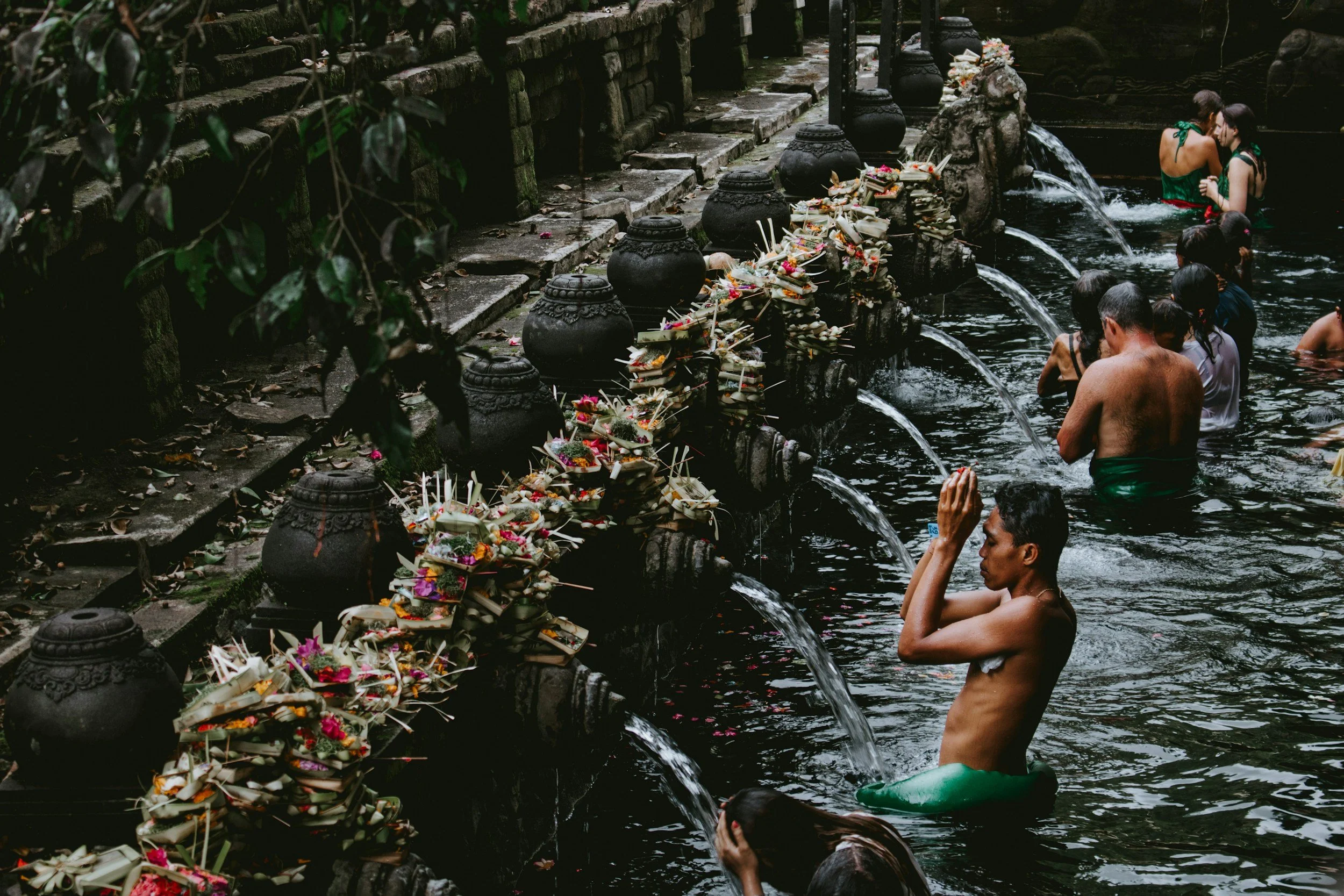
One of my favorite things about surfing in Indonesia is that the experience doesn't end when you leave the water.
Each destination has its own personality. Bali blends surf culture with centuries-old Hindu traditions. Lombok offers a slower pace and a chance to experience Sasak culture. Sumba pairs uncrowded waves with dramatic landscapes and traditional villages, while the Mentawai Islands feel wonderfully remote.
Even if surfing is the main reason you're coming, you'll leave with far more than memories of the waves.
When Is the Best Time to Surf Indonesia?
The best time to surf Indonesia depends on which island you're visiting, but in general, the dry season (April through October) brings the most consistent Indian Ocean swells and favorable offshore winds to many of the country's best-known surf destinations.
That doesn't mean you should avoid Indonesia outside those months. Thanks to the country's size and geography, you'll find quality surf somewhere in the archipelago year-round. Some breaks even work better during the wet season, particularly on Bali's east coast.
Here's a quick look at when each of Indonesia's top surf destinations is typically at its best:
| Destination | Best Surf Season | What to Expect |
|---|---|---|
| Bali | April–October | Consistent swells and offshore winds on the west coast. Some east coast breaks work best during the wet season. |
| Lombok | April–October | Reliable surf across a range of beginner to advanced breaks throughout the dry season. |
| Mentawai Islands | May–September | Peak season for powerful Indian Ocean swells and the legendary reef breaks the islands are known for. |
| Sumatra | April–October | The west coast receives consistent swell throughout Indonesia's dry season. |
| Sumbawa | May–October | Excellent conditions with dependable swell and generally fewer crowds than Bali. |
| Java (G-Land) | May–September | Prime season for long, powerful left-hand barrels and consistent swell. |
| Sumba | April–October | Dry season generally brings the most reliable surf and easier travel conditions. |
Planning tip: If you have flexibility in your travel dates, aim for May, June, or September. You'll typically enjoy excellent surf conditions while avoiding some of the peak holiday crowds that arrive in July and August.
How to Choose the Right Surf Destination in Indonesia
The best place to surf in Indonesia isn’t necessarily the island with the biggest or most famous waves. It’s the destination that matches your ability level, budget, preferred travel style, and how much effort you’re willing to put into getting there.
Bali and Lombok are the easiest places to begin, while destinations such as the Mentawai Islands, G-Land, and Sumba usually require more time, money, or surfing experience.
Here’s how I’d narrow down the options:
| Destination | Best For | Skill Level | Typical Waves | Crowds | Budget | Recommended Stay |
|---|---|---|---|---|---|---|
| Bali | First-time Indonesia surf trips | Beginner–Advanced | Beach breaks and reef breaks | High | $$–$$$$ | 5–10 days |
| Lombok | Progressing surfers | Beginner–Advanced | Beach breaks and reef breaks | Medium | $–$$$ | 4–7 days |
| Mentawai Islands | World-class waves and barrels | Advanced | Powerful reef breaks | Low–Medium | $$$$ | 10–14 days |
| Sumbawa | Fewer crowds and remote surf | Intermediate–Advanced | Reef breaks and point breaks | Low | $$–$$$ | 5–7 days |
| Java | Legendary left-hand waves | Intermediate–Advanced | Long reef and point breaks | Medium | $–$$$ | 3–7 days |
| Sumatra | Independent surf adventures | Intermediate–Advanced | Beach, reef, and point breaks | Low | $–$$$ | 5–10 days |
| Sumba | Surfing combined with adventure | Intermediate–Advanced | Remote reef breaks | Very Low | $$$–$$$$ | 4–7 days |
My recommendation: For a first surf trip to Indonesia, choose Bali for the easiest introduction or combine Bali and Lombok if you have around two weeks.
Swipe horizontally to view the full table on mobile.
Choose Bali if it’s your first surf trip to Indonesia
Bali is the easiest introduction to surfing in Indonesia. It has the country’s largest concentration of surf schools and camps, board rentals, accommodations, cafés, and other traveler-friendly infrastructure, as well as waves suitable for everyone from complete beginners to experienced surfers.
It’s also the strongest choice when:
You’re traveling with someone who doesn’t surf.
You want plenty to do outside the water.
You prefer easy airport access and straightforward logistics.
You want to surf several different types of breaks in one trip.
The trade-off is that Bali’s most accessible breaks can be extremely crowded, particularly around Canggu and the Bukit Peninsula.
Choose Lombok if you want to improve your surfing
Lombok is particularly well suited to beginner and intermediate surfers who want to progress. Around Kuta Lombok, you can access several breaks with different wave shapes and difficulty levels, often by taking a short boat ride from shore.
Choose Lombok when:
You’ve already taken a few lessons and want more time on the board.
You want a quieter base than Bali.
You like the idea of joining a surf camp.
You want variety without traveling between several islands.
Lombok is less developed than Bali but still easy enough to navigate independently, making it one of the best balances of adventure and convenience in Indonesia.
Choose the Mentawai Islands if surfing is the main purpose of your trip
The Mentawai Islands are the bucket-list choice for experienced surfers. This remote chain off the coast of West Sumatra is known for remarkably consistent swell, clear water, and an extraordinary concentration of high-quality reef breaks.
The Mentawais make the most sense when:
You’re an experienced and confident reef surfer.
Wave quality matters more than nightlife or sightseeing.
You’re willing to invest in a surf resort or boat charter.
You can dedicate a substantial portion of your trip to one region.
Getting there requires additional flights and boat transfers, and costs tend to be considerably higher than in Bali or Lombok. This generally isn’t the destination I’d recommend for a casual add-on or a first surf trip.
Choose mainland Sumatra for a more independent surf adventure
Beyond the Mentawai Islands, Sumatra’s west coast offers powerful surf in places such as Krui and the Banyak Islands. These regions appeal to surfers who want excellent waves without following Indonesia’s most established surf circuit.
Choose Sumatra when:
You’re comfortable arranging more complicated transportation.
You want to stay longer and travel slowly.
You value fewer crowds over convenience.
You’re an intermediate or advanced surfer seeking variety.
Distances can be long, infrastructure varies considerably, and getting between breaks may require a scooter, driver, or boat. The extra effort is part of the appeal—but it’s worth factoring into your itinerary.
Choose Sumbawa if you want powerful waves with fewer crowds
Sumbawa sits east of Lombok and offers several internationally known waves, including Lakey Peak and Scar Reef. It has a more stripped-back surf atmosphere than Bali, with fewer distractions and less tourism infrastructure.
It’s a good fit when:
You’re an intermediate or advanced surfer.
You want your days to revolve primarily around surfing.
You’re willing to trade convenience for lighter crowds.
You prefer low-key surf towns to major tourism hubs.
Sumbawa is often described as uncrowded, but its most famous breaks still attract experienced surfers during peak swell season. Expect fewer people than Bali—not empty lineups.
Choose Java if surfing G-Land is on your bucket list
Java’s standout surf destination is G-Land, the legendary left-hand reef break on the edge of Alas Purwo National Park. It’s powerful, remote, and best suited to surfers who already understand reef breaks, currents, and crowded lineups.
Choose Java when:
G-Land is a specific goal rather than one stop on a general trip.
You’re comfortable in powerful, shallow reef conditions.
You want a focused surf experience in a remote natural setting.
Java has other surf regions, but a first trip built around G-Land is usually more of a surf mission than a conventional island holiday.
Choose Sumba if you want surfing to be part of a larger adventure
Sumba offers striking landscapes, traditional villages, relatively limited tourism, and several high-quality waves. It’s best for travelers who care as much about exploring the destination as they do about maximizing the number of waves they catch.
Sumba may be right when:
You want remote scenery and cultural experiences alongside surfing.
You’re comfortable with limited infrastructure.
You have the budget for specialist accommodation or private transportation.
You prefer a slower, less predictable trip.
Some of Sumba’s best-known waves are associated with exclusive resorts (like NIHI Sumba in front of Occy’s Left) or require local logistical knowledge, so it isn’t always the simplest destination for an independent, budget-oriented surf trip.
My recommendation: For a first surf trip of around two weeks, I’d combine Bali and Lombok. Bali provides the easiest arrival and widest range of amenities, while Lombok offers a quieter environment with excellent progression opportunities. The two islands feel different enough to make the combination worthwhile, but they’re close enough that you won’t lose several days to domestic travel.
The Best Surf Destinations in Indonesia
Indonesia’s surf regions differ significantly in wave type, difficulty, accessibility, cost, and what the trip feels like beyond the water. The following destination guides compare those factors so you can move beyond choosing the most famous island and find the place that actually suits your trip.
1. Bali: Best for First-Time Surf Trips to Indonesia
Best for: Beginners, mixed-ability groups, first-time visitors, and travelers who want plenty to do beyond surfing
Skill level: Beginner to advanced
Main airport: I Gusti Ngurah Rai International Airport (DPS)
Recommended stay: 7–10 days
Best surf season: April through October on the west coast; the east coast generally performs better during the wet season
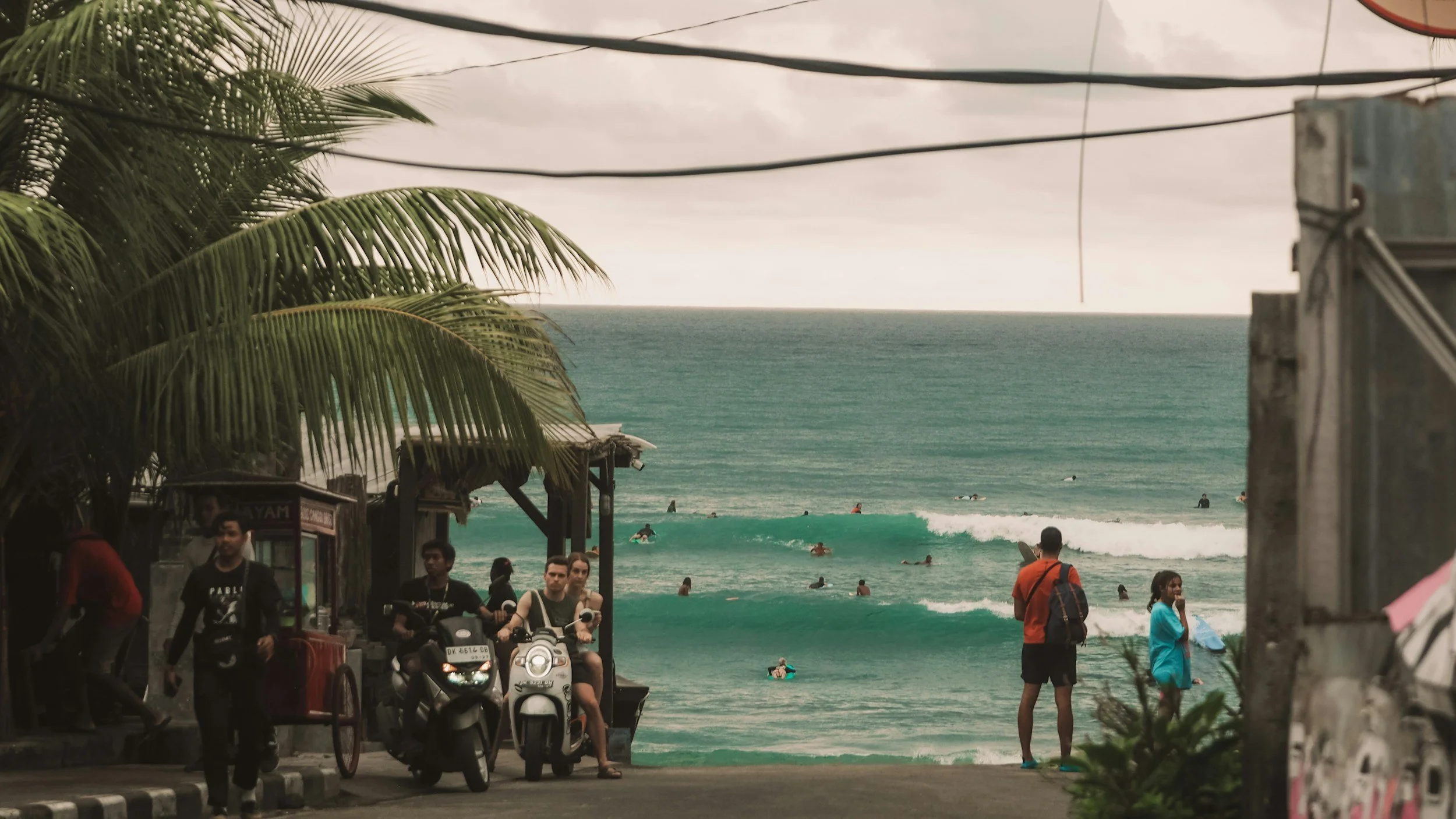
Bali is the most accessible place to begin a surf trip in Indonesia. The island has an enormous range of breaks, a well-established surf school network, plentiful board rentals, and accommodations at nearly every price point. You can arrive at the international airport and be based near the waves within a few hours, without needing to coordinate another domestic flight or ferry.
It’s also one of the few Indonesian surf destinations that can work equally well for a complete beginner and an experienced surfer. Sandy-bottom beach breaks provide forgiving places to learn, while the Bukit Peninsula is home to fast reef waves and several of Indonesia’s most famous surf spots.
That variety does come with a trade-off: Bali’s best-known lineups can be intensely crowded. Choosing the right base—and being realistic about your experience level—matters just as much here as choosing the right season.
Where to Surf in Bali
The best area depends on your skill level and what you want outside the water.
Kuta and Legian: The long, sandy-bottom beaches around Kuta and Legian are among Bali’s most established places to learn. Surf schools and board rentals are easy to find, and the beach breaks provide multiple peaks rather than concentrating everyone around one takeoff point. This area makes the most sense for complete beginners who want easy access to lessons. More experienced travelers may find the surrounding development and nightlife overwhelming.
Canggu: Canggu combines several surf breaks with one of Bali’s largest concentrations of cafés, restaurants, coworking spaces, and nightlife. It’s convenient and social, but it is also one of the island’s busiest areas. The breaks around Canggu can suit different abilities depending on the swell, tide, and exact location. Beginners should still surf with an instructor rather than assuming every wave in the area is beginner-friendly.
The Bukit Peninsula: The Bukit Peninsula is where many experienced surfers head for Bali’s famous reef breaks, including Uluwatu, Bingin, Balangan, and Padang Padang. These waves are powerful, fast, and often break over shallow reef. The Bukit can still work as a base for mixed-ability groups, but many of its marquee waves are not appropriate for beginners. Less experienced surfers should book lessons with someone who can choose a suitable break based on that day’s conditions.
The East Coast: Bali’s east coast provides an alternative when wet season winds make the west coast less favorable. Breaks around Sanur and farther north can come into condition during this period, although many are reef breaks better suited to surfers with experience. This seasonal shift is one reason Bali can remain a viable surf destination throughout much of the year rather than only during the conventional dry season.
Why Choose Bali?
Bali is the strongest all-around option when surfing is important but not the only purpose of the trip. Between sessions, you can visit temples, explore inland villages, take a cooking class, hike through rice terraces, or spend a few days elsewhere on the island.
It is particularly useful for groups with different priorities. A surfer can get in the water early while a non-surfing partner still has an enormous range of activities, restaurants, wellness experiences, and day trips available.
The island is also comparatively easy to plan independently. Lessons, rentals, drivers, accommodations, and transfers can generally be arranged after arrival, although booking ahead is wise during the busiest months.
The Downsides of Surfing Bali
Bali is not the place to choose purely for empty waves. Crowding is a serious consideration, particularly at accessible breaks and during peak dry-season swells. Heavy traffic can also make nearby places feel surprisingly far apart, so changing surf areas every day may be less practical than it appears on a map.
There is also a major difference between Bali being suitable for beginners and every Bali break being beginner-friendly. Reef, currents, local etiquette, and rapidly changing conditions all need to be taken seriously.
Good to know: Stay near the type of surf you expect to use most often rather than choosing accommodation solely because an area looks central. Bali traffic can turn a short distance into a long journey, especially between Canggu and the Bukit Peninsula.
Where to Stay for a Bali Surf Trip
For a first trip, I’d choose the base according to surfing ability:
Kuta or Legian: Best for accessible beginner lessons and sandy-bottom beach breaks.
Canggu: Best for social travelers who want surf, cafés, and nightlife in one place.
The Bukit Peninsula: Best for intermediate and advanced surfers prioritizing reef breaks.
Sanur or the east coast: Worth considering during the wet season or for a quieter atmosphere.
Recommended Surf Camps:
CARI Surf Camp: Ideal for beginner and intermediate surfers thanks to small-group coaching, a welcoming social atmosphere, and daily trips to breaks matched to your ability.
Padang Padang Surf Camp: Ideal if you're looking to make rapid progress, with personalized coaching, surf skate sessions, recovery facilities, and easy access to several of Bali's most famous breaks.
Looking for even more options? Browse additional surf camps in Bali on BookSurfCamps.com.
Recommended Independent Stays:
Terra Cottages Uluwatu: My favorite boutique stay in Uluwatu, offering beautiful Mediterranean-inspired design, a peaceful atmosphere, and easy access to Bingin's surf breaks.
COMO Uma Canggu: The luxury choice for surfers, pairing five-star accommodations with Tropicsurf coaching, premium board rentals, and guided sessions tailored to every skill level.
OXO Townhouses Berawa: Perfect for longer stays, with private plunge pools, full kitchens, dedicated workspaces, and quick scooter access to Berawa's surf breaks.
Looking for more places to stay? Browse hotels, villas, and surf-friendly accommodations across Bali on Booking.com.
How Long Should You Spend in Bali?
Seven days is enough for a focused Bali surf trip, especially if you remain in one area. Ten days gives you more flexibility for flat spells, changing conditions, rest days, and exploring beyond the beach.
For a two-week Indonesia itinerary, I’d spend approximately one week in Bali and one week in Lombok rather than attempting to cover several distant islands.
My take: Bali’s biggest advantage is not that it offers Indonesia’s single best wave. It’s that it gives first-time visitors the easiest way to understand the country’s surf landscape. You can take lessons, try different types of waves, and learn what kind of destination you might want to seek out next—all without committing to complicated logistics from the start.
2. Lombok: Best for Progressing Your Surfing
Best for: Beginner and intermediate surfers, surf camps, and travelers looking for a quieter alternative to Bali
Skill level: Beginner to advanced (depending on the break)
Main airport:Lombok International Airport (LOP)
Recommended stay: 5–7 days (or one week as part of a Bali + Lombok itinerary)
Best surf season: April through October
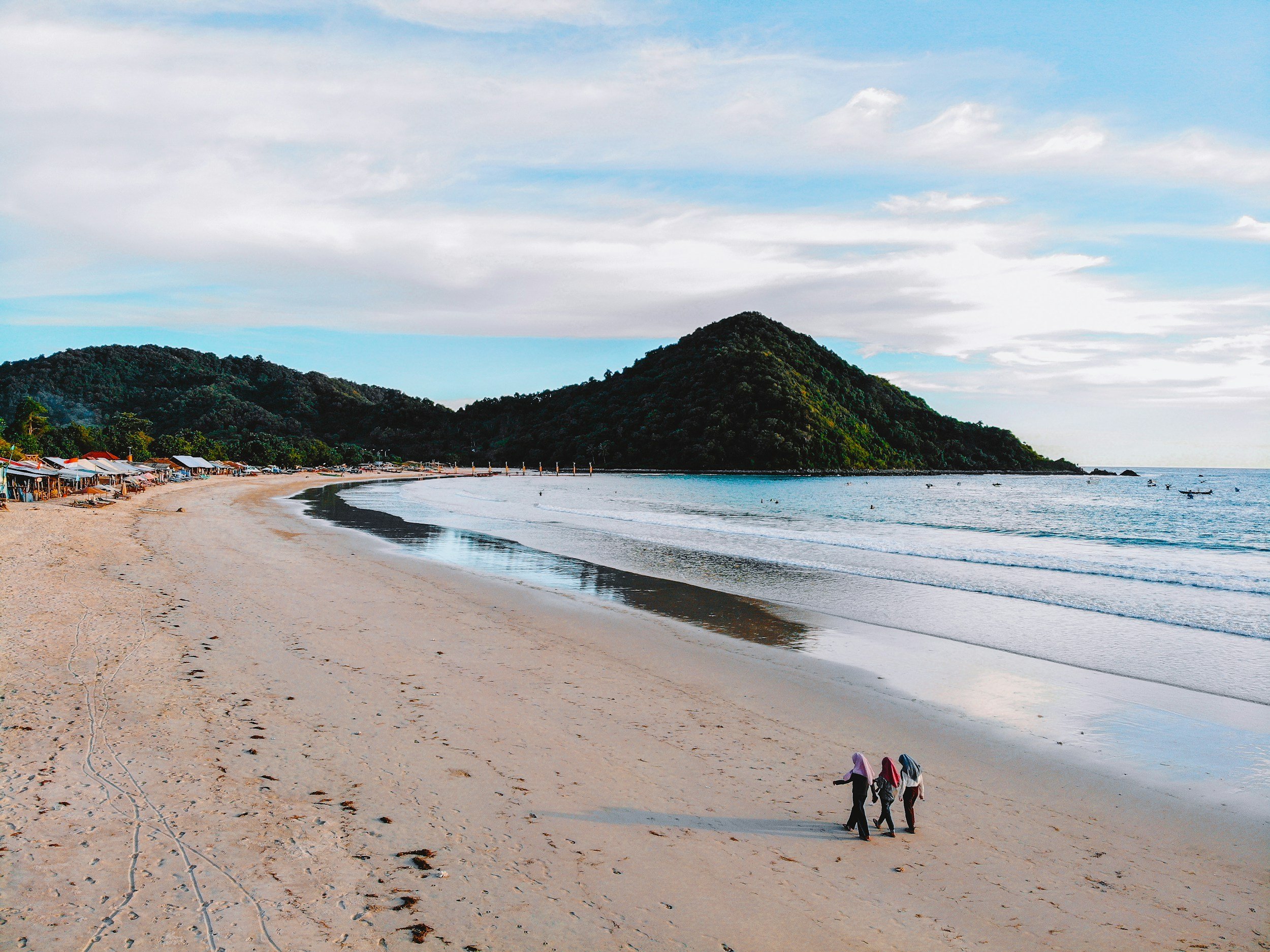
Lombok offers many of the things surfers love about Bali—warm water, consistent swell, and a wide variety of waves—but with a noticeably slower pace. While the island has become increasingly popular in recent years, it still feels less developed than Bali, particularly around Kuta Lombok, the hub for most visiting surfers.
What makes Lombok stand out is how easy it is to progress your surfing. Several nearby breaks cater to different skill levels, allowing you to gradually work your way toward more challenging waves without changing islands. It's one of the reasons many surf camps base themselves here.
Where to Surf in Lombok
Selong Belanak: One of Indonesia's best beaches for learning to surf, Selong Belanak offers a long sandy-bottom break with gentle, forgiving waves that are ideal for beginners and first-time lessons.
Gerupuk: Accessible by local boat, Gerupuk Bay is home to several different breaks that suit everyone from beginners to advanced surfers. Because conditions vary between the reefs, local guides and surf camps can usually choose the best option based on the day's swell and your experience level.
Mawi: A more powerful reef break that's better suited to experienced surfers. While it's beautiful to watch, beginners should avoid paddling out here without local knowledge.
Are Guling: A quieter left-hand point break that often appeals to intermediate and advanced surfers looking for an alternative to Lombok's busier spots.
Why Choose Lombok?
Lombok is ideal if you want surfing to be the focus of your trip without sacrificing comfort. Kuta Lombok has plenty of cafés, restaurants, accommodations, and surf camps, but it lacks the constant traffic and urban feel found in parts of southern Bali.
It's also an excellent destination for travelers hoping to improve their surfing over several consecutive days. Many visitors stay for a week or longer, surfing different breaks each day depending on conditions.
The Downsides of Surfing Lombok
Unlike Bali, many of Lombok's surf breaks require a short boat ride from shore, which adds a small daily cost and means you'll rely on local boat operators or surf camps.
While the island is developing quickly, transportation and services remain more limited than Bali. Renting a scooter is often the easiest way to explore independently.
Where to Stay for a Lombok Surf Trip
Recommended surf camps:
Surf & Yoga Retreats Lombok: Perfect for beginner and intermediate surfers looking to improve their skills through professional coaching while enjoying daily yoga, healthy meals, and a relaxed community atmosphere.
→ Read about my experience at Surf & Yoga Retreats in Kuta, Lombok.
Xanadu Surf Camp: Designed for intermediate and advanced surfers who want to break through a plateau, with small-group coaching, detailed video analysis, surf theory, and progression-focused training.
Looking for even more options? Browse additional surf camps in Lombok on BookSurfCamps.com.
Recommended surf-friendly hotel stays:
Mana Eco Retreat: A beautiful eco-conscious retreat with a peaceful atmosphere, excellent food, and easy access to Kuta Lombok's beaches and surf breaks.
Inlight Lombok Resort:A laid-back beachfront resort overlooking Gerupuk Bay, with multiple pools, ocean views, and easy access to the area's famous surf breaks by traditional outrigger boat.
Ombak Resort at Ekas: The ideal base for surfing Ekas, with complimentary boat transfers to Inside Ekas, a relaxed family atmosphere, excellent coffee, and sweeping views of Lombok's quieter coastline.
Looking for more places to stay? Browse hotels, villas, and surf-friendly accommodations across Lombok on Booking.com.
How Long Should You Spend in Lombok?
Five to seven days gives you enough time to surf a variety of breaks while leaving room to adjust your plans around the conditions. Many travelers combine Lombok with Bali, spending roughly a week on each island for a balanced two-week Indonesia surf trip.
My take: If Bali introduces you to surfing in Indonesia, Lombok is where many surfers begin to feel more confident. The atmosphere is calmer, the progression opportunities are excellent, and it's the island I'd recommend to someone who wants their days to revolve around surfing without giving up good cafés, comfortable stays, and an easygoing beach town.
3. Mentawai Islands: Best for Experienced Surfers
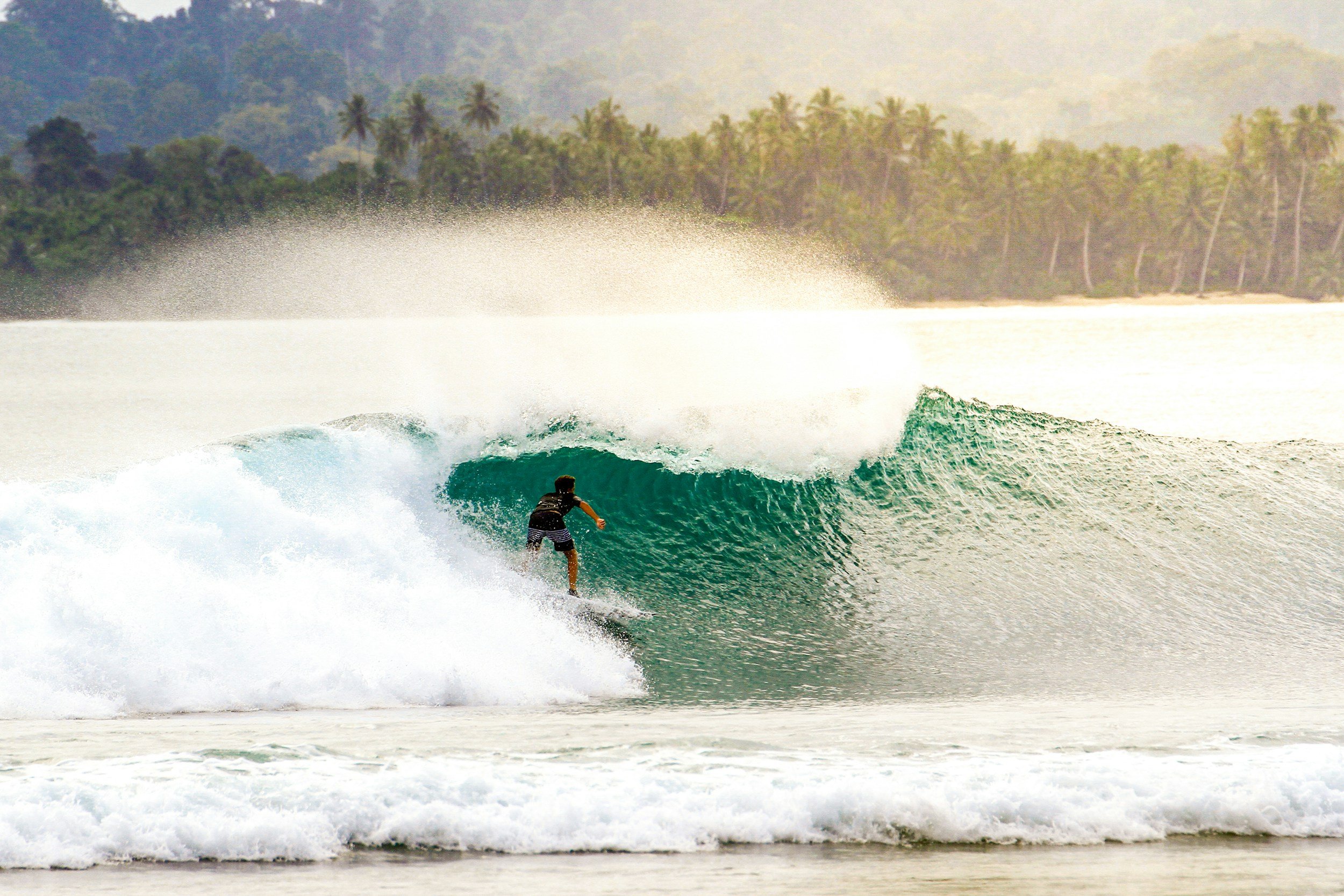
Best for: Advanced surfers, bucket-list surf trips, and surf charters
Skill level: Intermediate to advanced (primarily advanced)
Main gateway: Padang (West Sumatra)
Recommended stay: 7–14+ days
Best surf season: May through September
The Mentawai Islands have earned legendary status among surfers for good reason. Located off the west coast of Sumatra, this remote chain of islands is home to one of the highest concentrations of world-class reef breaks anywhere on the planet. Consistent Indian Ocean swells, warm water, and dozens of high-quality waves have made the Mentawais a dream destination for experienced surfers for decades.
Unlike Bali or Lombok, the Mentawais aren't somewhere you casually add to an Indonesia itinerary. Getting here requires extra planning, additional transportation, and a larger budget, but for many surfers, it's the trip they've spent years dreaming about.
Where to Surf in the Mentawai Islands
Rather than focusing on one town or beach, surfers typically stay at a surf resort or aboard a charter boat, which allows access to multiple nearby breaks depending on the swell and conditions.
Some of the islands' most famous waves include:
Macaronis: Frequently ranked among the world's best left-hand waves.
Lance's Right :A long, powerful right-hand reef break known for its consistency.
HT's (Hollow Trees): One of the Mentawais' most famous and most challenging barrels.
Rifles: A fast, mechanical right-hand wave that performs best under ideal conditions.
Because conditions change daily, most surfers rely on experienced local guides or charter operators to determine where to surf each session.
Why Choose the Mentawai Islands?
The Mentawais are all about maximizing time in quality waves. Whether you're staying at a surf resort or aboard a charter boat, the days revolve around tides, swell forecasts, and getting to the best break available.
For experienced surfers, there are few places on Earth that offer this combination of consistency, wave quality, and variety.
The Downsides of Surfing the Mentawai Islands
This is one of Indonesia's most expensive surf destinations. Between flights to Padang, ferry transfers, and the cost of resorts or charter boats, the overall trip can add up quickly.
Many of the waves also break over shallow reef and require confidence in larger, more powerful surf. While there are a handful of more forgiving breaks, the Mentawais are generally not the place I'd recommend for beginners or someone looking to take their first surf lesson.
Where to Stay for a Mentawai Surf Trip
Recommended surf resort: Hidden Bay Resort – Surf Your Brains Out Package
A premium all-inclusive surf retreat offering guided access to more than 20 world-class breaks, daily physiotherapy, speedboat transfers, and an exceptional base for scoring the northern Mentawais.
Recommended private villa: Villa Onu Mentawai
A stunning private villa overlooking the legendary barrels of Lance's Right (HT's), perfect for couples, families, or small groups wanting a more luxurious Mentawai surf trip.
Recommended charter: Mentawai Surf Charters
Ideal for experienced surfers who want maximum flexibility, allowing you to chase the best conditions across multiple island groups throughout your trip.
Looking for more places to stay? Browse hotels, villas, and surf-friendly accommodations across the Mentawais on Booking.com.
How Long Should You Spend in the Mentawai Islands?
Because reaching the islands takes time and money, I'd recommend staying at least one week, with 10–14 days being ideal if your schedule and budget allow. That gives you a much better chance of scoring favorable swell and wind conditions.
My take: The Mentawai Islands aren't simply another stop on an Indonesia surf itinerary—they're often the destination surfers build the entire trip around. Unless surfing is your primary reason for visiting Indonesia, I'd recommend spending your first trip exploring Bali and Lombok instead, then saving the Mentawais for a dedicated surf adventure later.
4. Sumatra: Best for Independent Surf Adventures
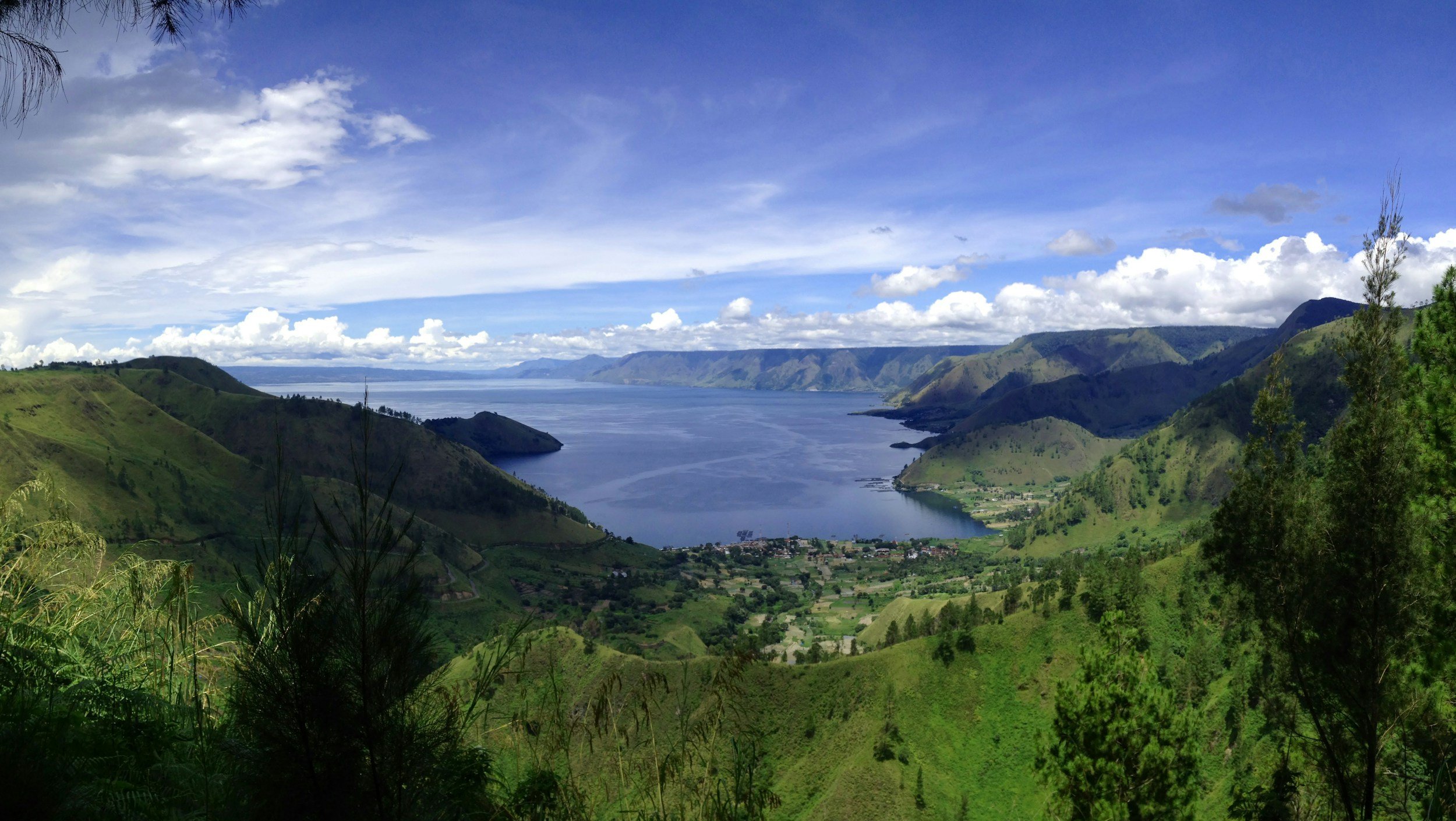
Best for: Intermediate and advanced surfers, longer trips, and travelers looking to get off Indonesia's main surf circuit
Skill level: Intermediate to advanced
Main airport: Varies by destination (Lampung, Bengkulu, Padang, and others)
Recommended stay: 1–3 weeks
Best surf season: April through October
While many surfers associate Sumatra with the Mentawai Islands just offshore, mainland Sumatra offers an incredible surf scene in its own right. From the long lefts around Krui to remote island breaks farther north, it's a destination that rewards surfers willing to venture beyond Indonesia's most established surf routes.
Compared to Bali or Lombok, surfing in Sumatra requires more planning and flexibility. Distances are longer, infrastructure is less developed, and you'll often spend as much time exploring the coastline as you do chasing waves. For many surfers, that's exactly the appeal.
Where to Surf in Sumatra
Krui: Krui is Sumatra's best-known mainland surf destination and a favorite among traveling surfers. Several reef breaks lie within a relatively short stretch of coastline, allowing you to choose waves that suit the day's conditions and your ability level.
The Banyak Islands: Located off Sumatra's northwest coast, the Banyak Islands offer remote reef breaks, tropical scenery, and significantly fewer crowds than Indonesia's more famous surf destinations. Reaching them requires extra travel, making them better suited to dedicated surf trips.
Nias: Home to the legendary right-hand point break at Sorake Beach, Nias has been attracting experienced surfers for decades. Powerful, consistent, and world-renowned, it's one of Indonesia's true bucket-list waves.
Why Choose Sumatra?
Mainland Sumatra is ideal for surfers who enjoy the journey as much as the destination. Rather than staying in one resort, many travelers base themselves in a surf town like Krui or travel between several regions over a few weeks.
Compared to Bali, you'll generally find fewer crowds, a slower pace, and a stronger sense of exploration.
The Downsides of Surfing Sumatra
Travel can be time-consuming, and getting between surf regions often involves domestic flights or long overland journeys. Outside of the better-known surf towns, accommodation choices and tourist services are also more limited.
Planning ahead becomes much more important than it is in Bali or Lombok.
Where to Stay for a Sumatra Surf Trip
Recommended surf camp:Damara Surf Camp
An excellent choice for surfers who want coaching, guided sessions, and a relaxed community atmosphere while exploring the many breaks around Krui.
Recommended stay:Sumatra Surf Resort
Comfortable beachfront bungalows overlooking Ujung Bocur, with guided access to the region's renowned reef breaks and a quieter atmosphere than a traditional surf camp.
Looking for more places to stay? Browse hotels, villas, and surf-friendly accommodations across Sumatra on Booking.com.
How Long Should You Spend in Sumatra?
Because of the travel involved, I'd recommend spending at least one week, though two or three weeks allows you to experience several surf regions without feeling rushed.
My take: Sumatra isn't the easiest surf destination in Indonesia—but that's exactly why so many surfers fall in love with it. If you're happy trading convenience for quieter lineups and a greater sense of adventure, it's one of the country's most rewarding places to surf.
5. Sumbawa: Best for Fewer Crowds
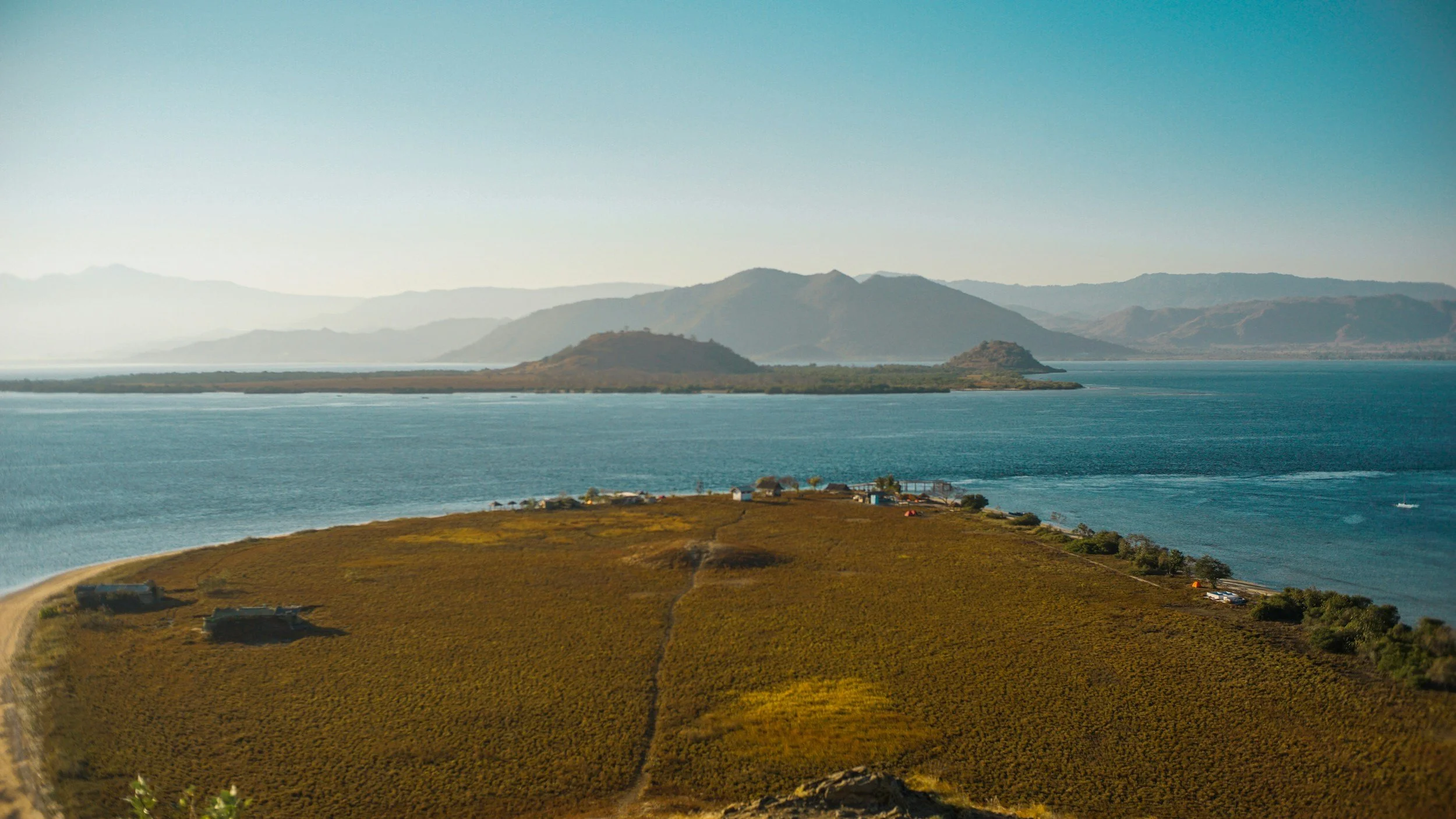
Best for: Intermediate and advanced surfers looking for quieter lineups and world-class waves
Skill level: Intermediate to advanced (with a few beginner-friendly options)
Main airport: Sultan Muhammad Kaharuddin III Airport (SWQ) or via Lombok by ferry
Recommended stay: 5–10 days
Best surf season: May through October
Sumbawa often flies under the radar compared to Bali and Lombok, but among surfers, it's long been known for producing exceptional waves with noticeably fewer crowds. Located just east of Lombok, the island receives the same consistent Indian Ocean swells while offering a more relaxed, less developed atmosphere.
Most visitors head to the southeastern coast around Lakey Peak, where several different breaks sit within a relatively small area. This makes it easy to surf multiple waves during the same trip without constantly changing accommodation.
Where to Surf in Sumbawa
Lakey Peak: Sumbawa's most famous wave, Lakey Peak is a playful, high-performance peak that can produce both lefts and rights depending on the conditions. It's one of Indonesia's best-known surf destinations and attracts experienced surfers from around the world.
Lakey Pipe: Located just south of Lakey Peak, this hollow right-hand reef break offers faster, more powerful waves for experienced surfers when the swell lines up.
Periscopes: A fun left-hand reef break that's often a little less intimidating than Lakey Peak, making it popular with confident intermediate surfers.
Scar Reef: One of Sumbawa's most famous waves, Scar Reef is a powerful left-hand barrel that breaks over shallow reef and is best left to advanced surfers.
Why Choose Sumbawa?
Sumbawa offers many of the same high-quality waves that draw surfers to Bali but without the same level of development and tourism. Days tend to revolve around surfing, relaxing, and checking the forecast rather than navigating traffic or busy beach towns.
It's a particularly appealing destination for surfers who already know what they're looking for and don't need constant nightlife, shopping, or organized activities between sessions.
The Downsides of Surfing Sumbawa
While getting to Sumbawa is easier than reaching destinations like the Mentawai Islands, it still requires more effort than flying directly into Bali. Accommodation choices are more limited, and outside the main surf areas you'll find fewer restaurants, cafés, and tourist services.
The island also caters more naturally to intermediate and advanced surfers, with many of its best-known waves breaking over reef.
Where to Stay for a Sumbawa Surf Trip
Recommended surf stay:The Peak Surf House
The best choice if surfing is your top priority, with board racks in every room, lineup views from your balcony, and the Peak and Lakey Pipe just steps away.
Recommended boutique stay:Kertasari Lodge
A beautifully designed boutique retreat in West Sumbawa that's ideal for couples or travelers looking to combine excellent surfing with exceptional food, sea views, and a more upscale stay.
Looking for more places to stay? Browse hotels, villas, and surf-friendly accommodations across Sumbawa on Booking.com.
How Long Should You Spend in Sumbawa?
Five to ten days gives you enough time to experience several of the area's famous breaks while allowing for changes in swell and wind. Many surfers pair Sumbawa with Lombok, creating a two-island itinerary focused almost entirely on surfing.
My take: Sumbawa feels like a natural next step after Bali or Lombok. The crowds thin out, the pace slows down, and surfing becomes the clear focus of the trip. If you're happy sacrificing some convenience for quieter lineups and outstanding waves, it's one of Indonesia's most rewarding surf destinations.
6. Java (G-Land): Best for Legendary Left-Hand Waves

Best for: Experienced surfers chasing one of Indonesia's most iconic waves
Skill level: Advanced
Main gateway: Banyuwangi (BWX) or Bali via overland transfer
Recommended stay: 3–7 days
Best surf season: May through September
When surfers talk about Java, they're usually talking about G-Land.
Located on the edge of Alas Purwo National Park in East Java, G-Land (Grajagan Bay) is one of the world's most famous left-hand reef breaks. Long, fast, and incredibly consistent during peak season, it's been attracting surfers from around the globe since the 1970s and remains one of Indonesia's true bucket-list waves.
Unlike destinations such as Bali or Lombok, G-Land isn't somewhere you visit to sample lots of different surf spots. You come here for one reason: to surf one of the best left-hand waves on Earth.
What Makes G-Land Special?
G-Land offers several sections that can link together on the right swell, producing rides that seem to go on forever. Depending on the conditions, experienced surfers may surf sections known as Money Trees, Launching Pads, Speedies, and Kongs, each with its own personality and level of challenge.
Its location inside a protected national park also makes it one of Indonesia's most unique surf settings. Instead of cafés and beach clubs, you'll find dense jungle, wildlife, and a handful of surf camps tucked between the trees and the ocean.
Why Choose Java?
G-Land is a destination for surfers who want to experience a wave they've seen in magazines and surf films for years. It's less about ticking off multiple breaks and more about immersing yourself in one truly exceptional surf location.
Many surfers combine G-Land with a few days in Bali, using the island's international airport as their entry point before continuing east.
The Downsides of Surfing G-Land
G-Land isn't designed for beginners. Powerful reef, strong currents, and large swell are all part of the experience, and many days are simply beyond the comfort level of less experienced surfers.
Reaching the break also requires considerably more effort than surfing in Bali. Depending on your route, you'll need to combine flights, overland transfers, and often a boat ride before reaching the camps.
Where to Stay for a G-Land Surf Trip
Recommended surf resort:Jawa Jiwa G-Land Resort
An upscale beachfront eco-resort in the heart of Alas Purwo National Park, offering luxury glamping, daily surf transfers, yoga, and the rare chance to pair world-class waves with the comforts of a full-service resort.
Recommended boutique stay: Villa Monyet Java
A laid-back beachfront retreat known for its welcoming community, traditional Javanese architecture, knowledgeable local surf guides, and easy walking access to both the local reef break and G-Land's main point.
Looking for more places to stay? Browse hotels, villas, and surf-friendly accommodations across Java on Booking.com.
How Long Should You Spend at G-Land?
Three to seven days is enough for most surfers, though many stay longer if the forecast looks promising. Because reaching G-Land takes time, it's worth building in some flexibility to maximize your chances of scoring good conditions.
My take: G-Land isn't somewhere I'd recommend for a first surf trip to Indonesia. But if you've already surfed reef breaks, feel comfortable in powerful waves, and want to experience one of surfing's true legends, it's hard to imagine a more iconic destination.
7. Sumba: Best for Combining Surfing with Adventure
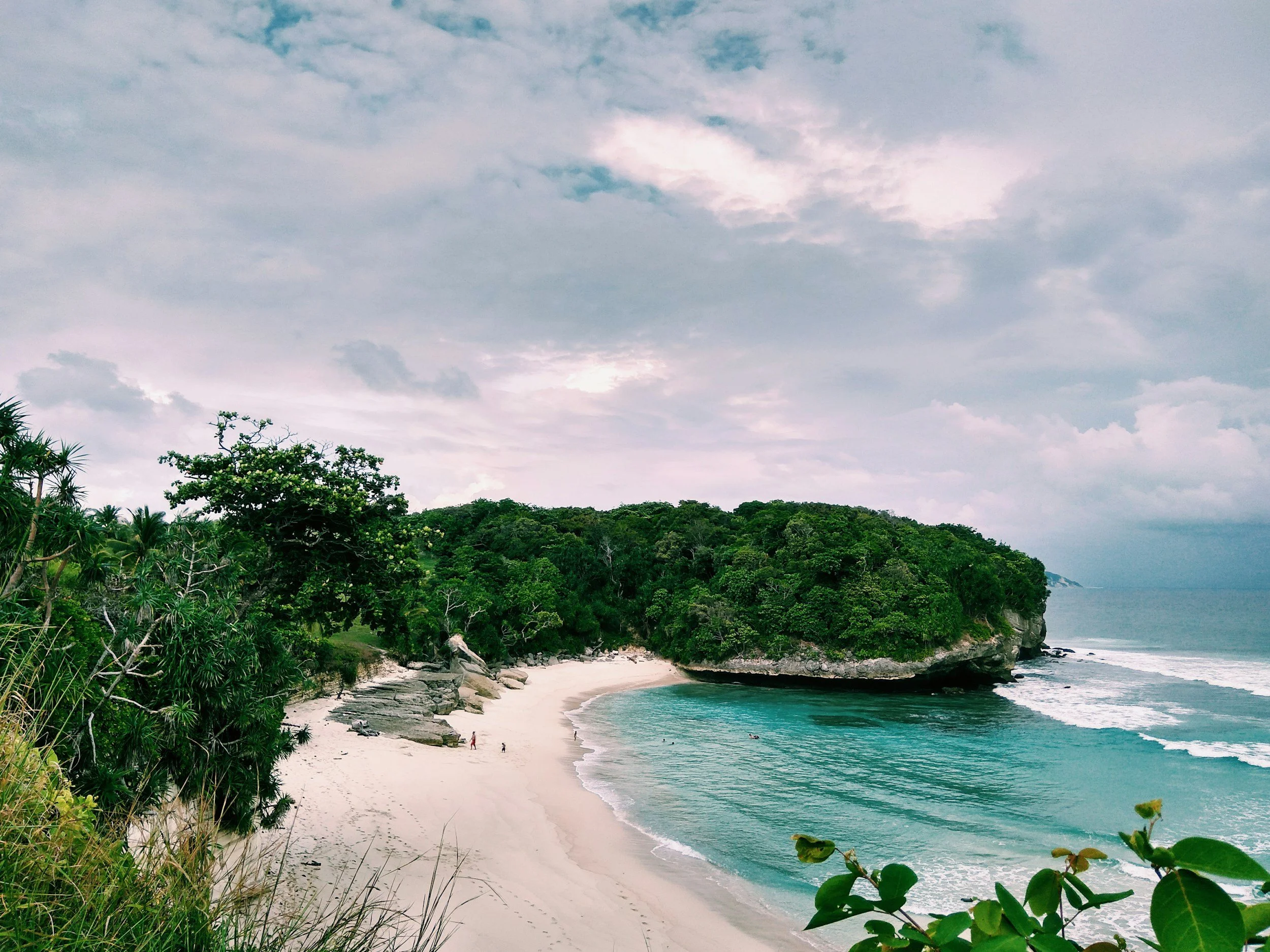
Best for: Surfers seeking a quieter, more luxurious, and adventure-focused escape
Skill level: Intermediate to advanced (depending on the break)
Main airport: Tambolaka (TMC) or Umbu Mehang Kunda Airport (WGP)
Recommended stay: 5–10 days
Best surf season: April through October
If Bali is Indonesia's busiest surf destination and the Mentawai Islands are all about chasing perfect waves, Sumba offers something entirely different. Here, surfing is just one part of the experience.
Known for its dramatic coastline, traditional villages, rolling savannas, and luxury eco-resorts, Sumba has become a favorite for travelers looking to combine great surf with cultural experiences and spectacular scenery. While the island doesn't have the sheer number of surf breaks found elsewhere in Indonesia, the waves—and the landscapes surrounding them—make the journey worthwhile.
Where to Surf in Sumba
Pero: One of Sumba's best-known surf spots, Pero offers a consistent left-hand reef break that attracts intermediate and advanced surfers during the dry season.
Tarimbang: Located on Sumba's quieter southeastern coast, Tarimbang is a beautiful bay with a long left-hand wave that works best on the right swell. The remote setting is part of its appeal.
Miller's Right: A powerful right-hand reef break that rewards experienced surfers with long, fast rides when conditions line up.
Because many of Sumba's surf spots are spread across the island, hiring a local driver or arranging transport through your accommodation is often the easiest way to reach them.
Why Choose Sumba?
Sumba is ideal for travelers who don't want every day to revolve exclusively around surfing. Between sessions, you can visit traditional villages, swim beneath waterfalls, ride horses along empty beaches, or simply enjoy one of Indonesia's most beautiful islands.
It's also one of the country's best destinations for honeymooners, couples, and travelers celebrating a special trip who still want quality waves nearby.
The Downsides of Surfing Sumba
Surf breaks are more spread out than in Bali or Lombok, making transportation an important part of your planning. Tourist infrastructure is also much more limited outside a handful of resorts, and independent travel requires more flexibility.
While Sumba has beginner-friendly beaches, many of its better-known surf breaks are best suited to surfers with some experience.
Where to Stay for a Sumba Surf Trip
Recommended eco stay: Maringi Sumba
An inspiring eco-retreat operated as a hospitality training school for local Sumbanese youth, making it a meaningful base for surfers who want to explore the island while directly supporting the local community.
Recommended luxury stay:NIHI Sumba
One of the world's most celebrated resorts, offering exclusive access to Occy's Left, private pool villas, exceptional dining, and an unforgettable luxury surf experience.
Looking for more places to stay? Browse hotels, villas, and surf-friendly accommodations across Sumba on Booking.com.
How Long Should You Spend in Sumba?
Five to ten days gives you enough time to surf, explore the island's interior, and enjoy a slower pace than you'll find in Bali. If you're already traveling through eastern Indonesia, Sumba also pairs well with Sumbawa or Flores for a longer adventure.
My take: Sumba is the destination I'd choose if I wanted surfing to be part of a broader travel experience rather than the entire reason for visiting. It offers beautiful waves, but it's the island's landscapes, culture, and sense of remoteness that make it truly memorable.
Getting Between Indonesia's Surf Destinations
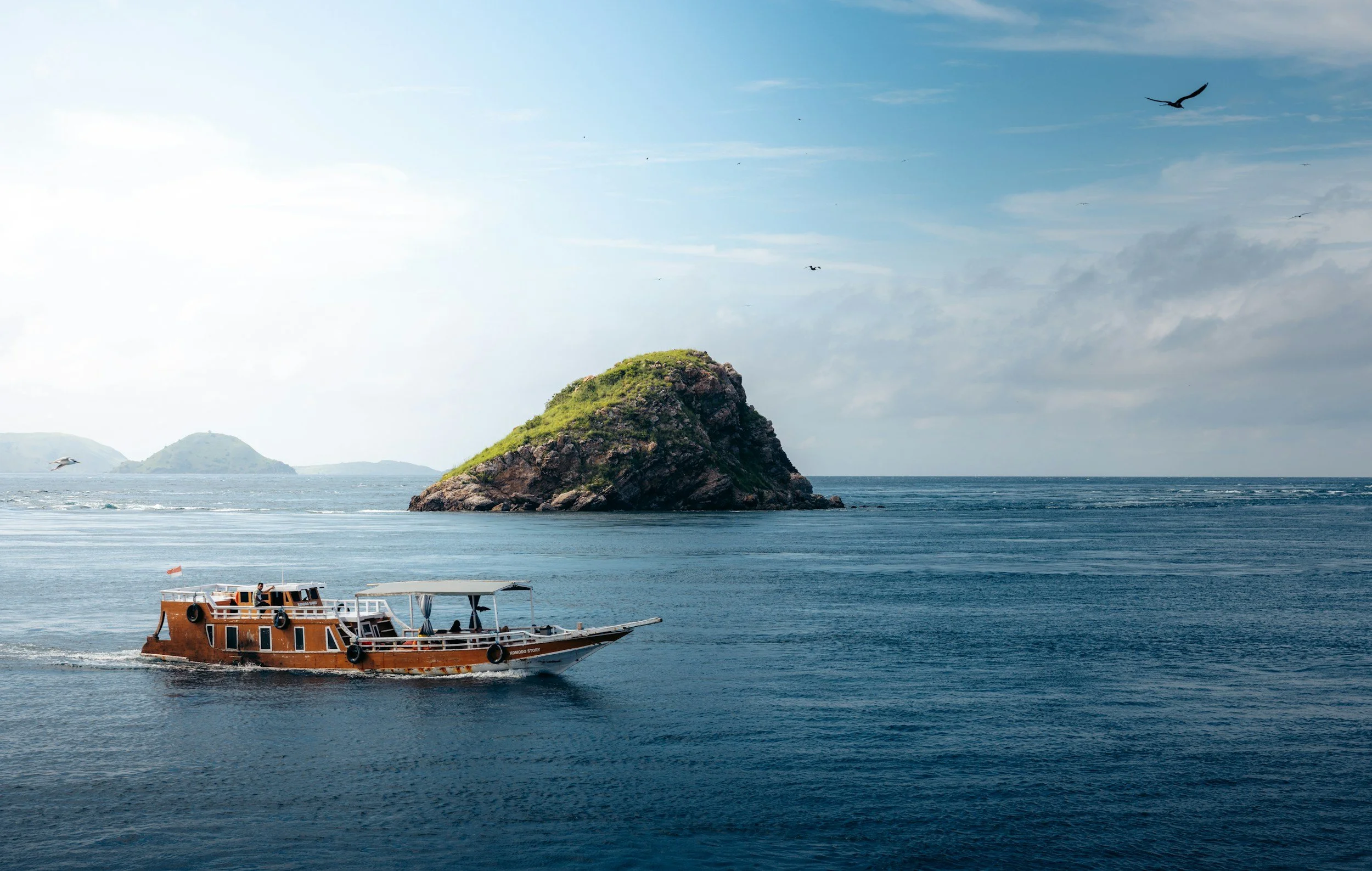
One of the biggest mistakes first-time visitors make is underestimating just how vast Indonesia is. Although it looks like a single destination on a map, the country stretches more than 3,000 miles (5,000 km) from west to east—farther than the distance from New York City to Los Angeles.
Because of that, I generally recommend focusing on one or two islands per trip rather than trying to surf everywhere. You'll spend less time in airports and ferries, and more time actually in the water.
Here's how the main surf destinations connect.
| Route | Best Way to Travel | Typical Travel Time |
|---|---|---|
| Bali → Lombok | Fast ferry or short flight | 2–4 hours by ferry / around 40 minutes by flight |
| Bali → Sumbawa | Flight, often via Lombok | 3–6 hours |
| Bali → Java (G-Land) | Drive and ferry, or flight to Banyuwangi | 5–8 hours |
| Padang → Mentawai Islands | Fast ferry | 3–5 hours |
| Bali → Sumba | Direct flight | Around 1 hour 30 minutes |
Most routes can be booked once you arrive to the bus or ferry port, but during Indonesia's dry season (especially around Bali and Lombok), I prefer reserving ferries and speedboats in advance. I usually compare schedules through 12Go or Bookaway since both let me see multiple operators, departure times, and prices in one place instead of visiting individual ferry company websites.
Sample Surf Itineraries
One Week: Bali
If this is your first surf trip to Indonesia, spend the entire week in Bali. There are enough beginner beaches, reef breaks, surf schools, and accommodation options to keep you busy without ever feeling rushed.
Two Weeks: Bali + Lombok
This is my favorite first-time Indonesia surf itinerary.
Start in Bali to build confidence, then hop over to Lombok for a slightly quieter atmosphere and a chance to surf more challenging waves as your skills progress.
→ Compare ferry schedules on 12Go
→ Compare ferry schedules on Bookaway
Three Weeks: Bali + Lombok + Sumbawa
If you already have some surfing experience, adding Sumbawa lets you escape much of Bali's crowds while experiencing one of Indonesia's most consistent surf regions.
→ Compare ferry schedules on 12Go
10–14 Days: The Mentawai Islands
The Mentawais deserve a trip of their own.
Getting there requires multiple stages of travel, and once you've arrived, you'll want enough time to take advantage of changing swell and weather conditions. Trying to squeeze the Mentawais into a larger Indonesia itinerary usually means spending more time traveling than surfing.
Planning Tips
Book flights before ferries: Domestic flights are generally the easiest way to cover longer distances across Indonesia, while ferries are best reserved for shorter routes like Bali to Lombok.
Don't overpack your itinerary: Every travel day is a day you're not surfing. Two destinations usually make for a far more enjoyable trip than trying to visit four or five islands.
Check surfboard baggage policies: If you're bringing your own board, review your airline's baggage policy before booking. Fees, board length limits, and allowance rules vary widely between carriers and can add a surprising amount to your travel budget.
Rent a scooter—but only if you're comfortable: A scooter is often the easiest way to reach beaches, cafés, and accommodations around Bali and Lombok. If you don't have experience riding one, though, it's better to hire a local driver or use ride-hailing apps like Grab and Gojek where they're available. Indonesia has one of the highest rates of tourist injuries from scooter accidents, and surfing with road rash—or worse—isn't how anyone wants to spend their trip.
Don't Forget Travel Insurance
One thing I never skip before a surf trip is travel insurance. Between reef breaks, scooter rides, fast ferries, and boat transfers to remote islands, there are simply more moving pieces than on a typical beach vacation. Hopefully you'll never need it, but I'd much rather have coverage and not use it than find myself dealing with an unexpected medical bill or travel disruption while overseas.
For my own travels, I use SafetyWing's Nomad Insurance Essential plan because it fits the way I travel. While it's especially popular with long-term travelers and digital nomads, it also covers trips with fixed travel dates lasting five days or longer, making it a great option whether you're planning a week in Bali or a month exploring multiple Indonesian islands.
If you're still planning your trip, you can learn more about SafetyWing's Nomad Insurance Essential plan here.
Stay Connected in Indonesia

Whether you're checking surf forecasts, navigating to a new break, or booking a last-minute ferry, having reliable mobile data makes traveling around Indonesia much easier. Rather than paying expensive roaming fees, I always install an eSIM before I leave so I'm connected the moment I land.
I personally use SIM Local because it's easy to install before departure and works well for both shorter trips and longer adventures around Southeast Asia. If you're visiting multiple countries on the same trip, they also offer regional plans that save you from buying a new SIM every time you cross a border.
What to Pack for a Surf Trip to Indonesia
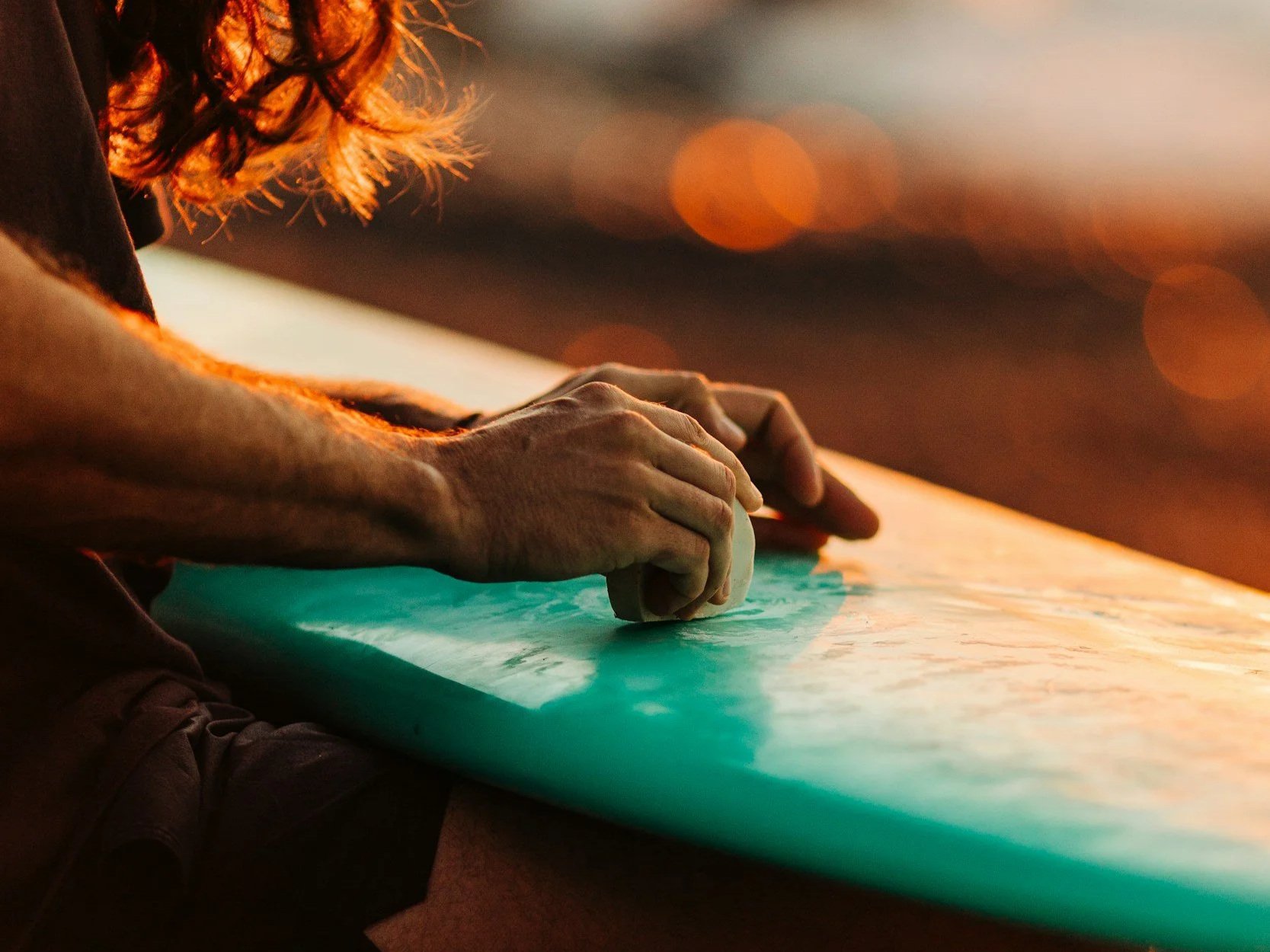
Indonesia's warm water means you can leave your wetsuit at home, but a few smart packing decisions can make a huge difference once you're spending multiple days in the lineup. Here's what I recommend bringing.
Rash Guard or Surf Top: The tropical sun is intense, and after several hours in the water, even waterproof sunscreen has its limits. A long-sleeve rash guard helps protect against both sunburn and board rash, especially if you're surfing every day.
Reef-Safe Sunscreen: A high-SPF, reef-safe sunscreen is an absolute must. Bring enough for your trip if you have a favorite brand, as reef-safe options can be harder to find outside Bali's larger surf towns.
Reef Booties (Optional): Most surfers won't need reef booties in Bali or Lombok, but they're worth considering if you'll be surfing shallow reef breaks, entering over exposed coral at low tide, or heading to more remote destinations.
Lightweight Cover-Up: While beachwear is perfectly normal on the sand, Indonesia is also a predominantly conservative country. When riding a scooter, stopping for lunch, or walking through town, it's respectful to throw on a T-shirt, shorts, a sundress, or a sarong over your swimsuit. It also makes transitioning from the beach to cafés and restaurants much more comfortable.
Reusable Water Bottle: Indonesia's heat and humidity can dehydrate you quickly, especially if you're surfing multiple sessions a day. Many surf camps, cafés, and accommodations provide filtered water refill stations, making it easy to stay hydrated while cutting down on single-use plastic.
Small First-Aid Kit: Even minor reef cuts deserve immediate attention in tropical climates. I always recommend packing a few waterproof bandages, antiseptic wipes, pain relievers, and any prescription medications you might need. If you're heading to the Mentawais, motion sickness medication is also worth bringing for the ferry or boat transfers.
Dry Bag: Whether you're catching an outrigger boat in Lombok or transferring between islands, a dry bag is one of those items you'll be glad you packed. It's perfect for keeping your phone, passport, wallet, and other valuables protected from spray and sudden downpours.
Surf Wax: Indonesia's warm water calls for tropical-temperature wax. If you'd rather not pack it, you'll have no trouble finding it at surf shops throughout Bali, Lombok, and most established surf destinations.
My packing tip: If you're deciding what to leave behind, prioritize the items that are hardest to replace. Wax, sunscreen, and basic surf gear are easy to find in Bali, but specialty medications, prescription items, and your favorite board are much more difficult to replace—especially once you venture beyond the main tourist hubs.
Safety & Surf Etiquette in Indonesia
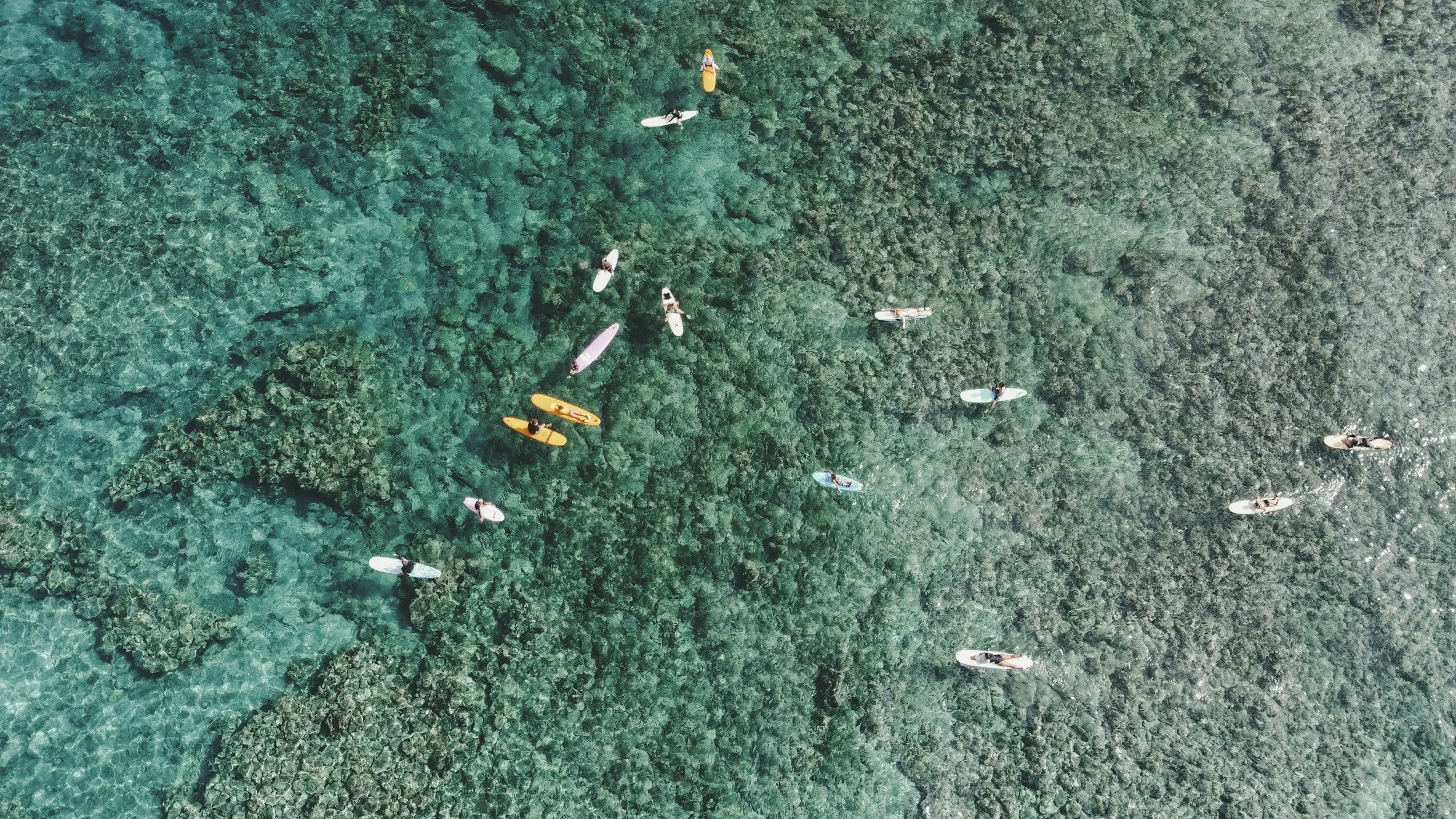
Indonesia is home to some of the best waves on the planet, but many of them demand respect. Whether it's your first trip or your fifth, understanding local surf etiquette and preparing for reef breaks will make your sessions safer—and more enjoyable—for everyone in the lineup.
Know Your Limits: It's easy to be tempted by perfect-looking waves, but many of Indonesia's most famous breaks are powerful reef breaks best suited to experienced surfers. If you're still building confidence, choose destinations like Bali's Kuta Beach or Selong Belanak in Lombok before paddling out at heavier reefs like Uluwatu, Desert Point, or G-Land.
Understand the Tides: Many of Indonesia's reef breaks work best at specific tide levels, and some become difficult—or even dangerous—to surf when the tide is too high or too low. Before paddling out somewhere new, ask your accommodation, surf guide, or a local surfer what the ideal tide is for that break. A wave that's perfect in the morning may be nearly unsurfable a few hours later.
Respect the Lineup: Many of Indonesia's surf breaks are busy, especially during the dry season. Follow basic surf etiquette by waiting your turn, avoiding dropping in on other surfers, and only paddling out if you're comfortable navigating a crowded lineup. A little patience goes a long way.
Protect Yourself from Reef Cuts: Unlike beach breaks, reef breaks don't forgive mistakes. If you do get cut, clean the wound thoroughly as soon as possible and keep an eye on it while it heals. Even small cuts can become infected in tropical environments if they're left untreated.
Consider Hiring a Local Surf Guide: If you're unfamiliar with a break—or visiting a remote destination like the Mentawais or Sumbawa—a local guide can help you understand tides, currents, entry and exit points, and which waves best match your ability. It's often one of the best investments you can make on your trip.
Be Smart on a Scooter: If you're planning to rent a scooter in Bali or Lombok, only do so if you're already comfortable riding one. Roads can be chaotic, and scooter accidents are one of the most common causes of tourist injuries in Indonesia. Wear a helmet, avoid riding after dark whenever possible, and never ride after drinking.
Respect Local Customs: Surf culture may be casual, but remember that Indonesia is a predominantly conservative country. Once you leave the beach, it's respectful to cover up before walking through towns, visiting cafés, or stopping at shops. A lightweight shirt, shorts, dress, or sarong is usually all you need.
Protect Yourself from the Sun: The tropical sun is stronger than many visitors expect. Drink plenty of water throughout the day, reapply sunscreen between sessions, and take breaks in the shade when you can—especially if you're surfing multiple times a day.
Frequently Asked Questions About Surfing in Indonesia
Is Indonesia good for beginner surfers?
Yes—but only if you choose the right destination. While Indonesia is famous for powerful reef breaks and world-class barrels, it also has excellent beginner-friendly beaches. Bali is the best place to learn thanks to sandy-bottom breaks like Kuta Beach and the abundance of experienced surf schools. Lombok is another great option once you're comfortable catching and riding green waves, with spots like Selong Belanak offering a gentle introduction to the island's surf.
Which Indonesian island is best for beginner surfers?
Bali is the best island for beginners. It offers the largest selection of surf schools, beginner-friendly beach breaks, rental shops, and instructors, making it easy to take your first lesson or progress over several days. If you're looking for fewer crowds after you've built some confidence, Lombok is the natural next step.
Can Beginners Surf in Bali?
Absolutely. Bali is one of the best places in the world to learn how to surf. Beaches like Kuta, Legian, and Seminyak offer long stretches of sandy-bottom beach breaks with gentle waves that are ideal for first-timers. You'll also find dozens of reputable surf schools, experienced instructors, and plenty of rental shops, making it easy to book lessons and find the right equipment.
As your confidence grows, Bali also offers an easy progression path to more challenging reef breaks around Canggu and the Bukit Peninsula. That's one of the reasons I recommend Bali as the best first surf destination in Indonesia.
What is the best time of year to surf Indonesia?
Indonesia offers surf year-round, but the best season depends on where you're going. The dry season (roughly April through October) brings the most consistent swell to Bali, Lombok, Java, and Sumbawa, while parts of Sumatra and the Mentawai Islands receive quality waves throughout much of the year. If you're planning your first trip, the dry season generally provides the most reliable conditions.
Do I need to bring my own surfboard?
Not necessarily. Bali and Lombok have excellent rental shops with everything from beginner foam boards to high-performance shortboards. If you're an experienced surfer with a favorite board—or you're planning to surf remote destinations like the Mentawais or Sumbawa—you may prefer bringing your own. Just be sure to check your airline's surfboard baggage policy before booking.
Is Bali or Lombok better for surfing?
It depends on what you're looking for. Bali offers the greatest variety of waves, surf schools, and accommodations, making it ideal for first-time visitors. Lombok has a slower pace, fewer crowds, and a fantastic progression path for surfers looking to improve after mastering the basics. If you have two weeks, my recommendation is to visit both.
How much does a surf trip to Indonesia cost?
Indonesia can accommodate almost every budget. Backpackers staying in hostels, renting boards, and eating at local warungs can keep costs relatively low, while luxury surf resorts and charter boats in places like the Mentawais can cost several thousand dollars. Bali and Lombok generally offer the widest range of accommodation and surf camp options, making them the easiest destinations to tailor to your budget.
Can you surf Indonesia year-round?
Yes. Thanks to Indonesia's size, there's almost always somewhere with good waves. However, the best conditions shift between regions depending on the season. If you have flexibility, planning around the dry season will give you the widest choice of surf destinations and the most consistent conditions.
How long should I spend surfing in Indonesia?
For a first trip, I recommend allowing at least 10 to 14 days. That gives you enough time to experience one or two destinations without spending too much of your vacation in transit. Rather than trying to surf every famous island, you'll have a much better experience focusing on places that match your ability level and travel style.
Are there sharks in Indonesia?
Yes, sharks live in Indonesian waters, but encounters with surfers are uncommon. The risks that most surfers are more likely to face are reef cuts, strong currents, sun exposure, and scooter accidents while traveling between breaks. Paying attention to local conditions and surfing within your ability level will do far more to keep you safe than worrying about sharks.
Do I need travel insurance for a surf trip to Indonesia?
Yes—I strongly recommend it. Surfing always carries some level of risk, and medical treatment or evacuation from remote islands can be expensive. Make sure your policy specifically covers surfing and any other adventure activities you plan to do. If you're traveling for an extended period, a flexible policy designed for long-term travelers can be a good option.
Do I Need a Visa to Visit Indonesia?
Visa requirements depend on your nationality and how long you plan to stay. Many travelers can enter Indonesia with either a Visa on Arrival or an e-Visa, while others may be eligible for visa-free entry. If you're planning a longer surf trip or intend to island-hop for several weeks, it's worth understanding your options before you book your flights.
Thanks for Reading!
If this guide helped you plan your trip, there are a few small ways you can support my work—completely optional, but genuinely appreciated.
Share this guide with someone planning a surf trip to Nicaragua.
Say hi on Instagram! I'm @nomapsamber, and I always love hearing where my work leads you, and what you’ve discovered yourself.
Book through my trusted travel partners. If you use the links below, I may earn a small commission at no extra cost to you. It helps keep this blog free and allows me to continue creating detailed travel and surf guides like this one.
Booking.com or Hostelworld for hotels and hostels
GetYourGuide or Viator for tours and experiences
Bookaway, 12Go, or Busbud for buses, ferries, and transfers
BikesBooking.comfor motorcycle and scooter rentals
SafetyWingfor travel insurance
Sim Local for travel eSIMs
Prana for women’s surf gear (suits, rash guards, beach wear, and cover ups)
Or, for the complete list of companies and services I personally recommend, visit my Travel Resources page.
Thank you for being here, and happy travels!
What to Read Next


Máncora, Peru, is a surf town with perfect lefts, year-round waves, and an endless summer. Here’s what it’s like to stay and surf in Mancora at the eco-surf lodge La Maison.