A Traveler’s Guide to Kandy, Sri Lanka: Where to Eat, Stay, & Explore
This page may include affiliate links. This just means that I make a small commission at no additional cost to you if you make a purchase through any of my links.
Kandy is Sri Lanka’s spiritual heart and a city best experienced slowly. Beyond its famous temples and Kandy Lake, you’ll find a local food scene that rival Colombo’s, forest escapes where you’d least expect them, and nearby villages that reveal how life actually unfolds here day to day. Stay for a night or two or an entire week. Either way, you can expect your days to be rich with options for things to do, taste, and experience. That’s just the sort of place Kandy is.
This Kandy travel guide covers where to stay, what to do, and how to explore the city with an emphasis on cultural context, nature, and unhurried travel.
Where to Stay in Kandy
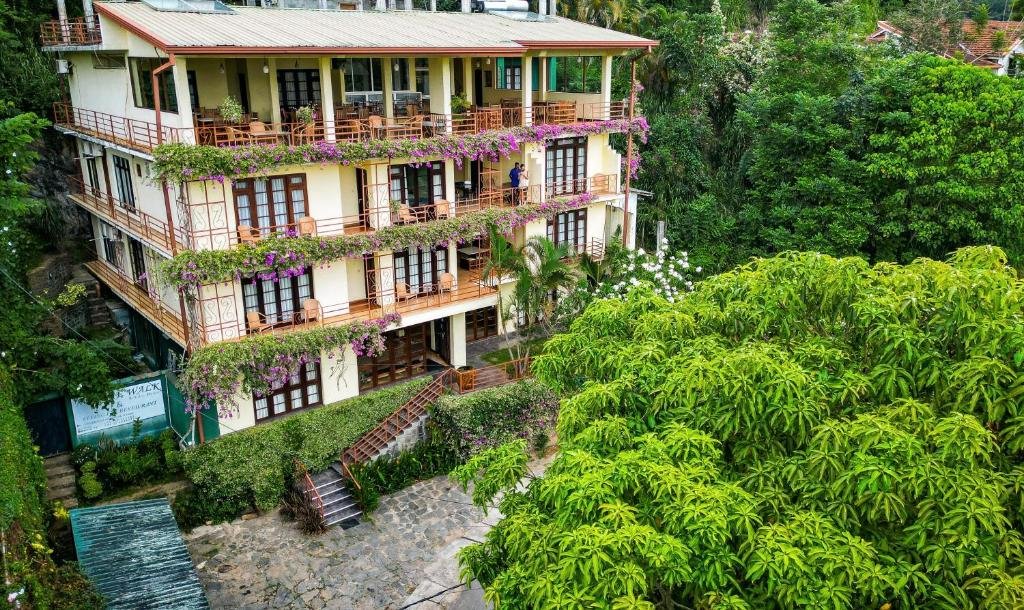
Where I Stayed: Nature Walk Resort
Nature Walk Resort is a peaceful, budget-friendly spot tucked just outside the bustle of central Kandy. It’s a great option if you want to be close to the action but still have a quiet place to retreat to at the end of the day. The property is set on a hill with leafy surroundings and occasional monkeys passing by, and it’s just a short walk (about 15–20 minutes) from the Temple of the Tooth and Kandy Lake. The vibe here is simple but comfortable. I stayed in one of their private en suite rooms, which had a fan and a little balcony with views of the treetops and the hills beyond. Hot water and decent Wi-Fi were both reliable during my stay and the staff were kind and helpful without being overly hands-on.
Check Availability - rooms from $18USD per night
Other Great Kandy Hotels & Hostels:
Budget-Friendly Places to Stay in Kandy:
Funk Bunks - By The Lake Hostel: Vibrant lakeside hostel with free breakfast & dinner, shared dorms from $10USD
Sun Dove Suite: Stylish homestay with breathtaking views just steps from Kandy’s historic center, private rooms from $33USD
Hotel Topaz: Affordable hilltop boutique with two outdoor pools and a spa, private rooms from $37USD
Mid-Range Hotels in Kandy:
Heritage Boutique: Charming heritage hotel steps from the Temple of the Tooth, private rooms from $100USD
Mount Randholee Resort & Spa: Boutique resort steeped in Kandyan art and heritage, private rooms from $100USD
Ru Boutique: 5-star heritage hideaway with plunge pool and courtyard bar, private rooms from $150USD
Luxury Hotels in Kandy:
Santani Wellness Resort & Spa: Ayurvedic spa hotel with jungle views, private rooms from $390USD
Where to Eat & Drink in Kandy
Some of my favorite places to eat and drink in Kandy include:
Balaji Dosai: This spot is a no-fuss, local favorite just across from the Temple of the Tooth. I loved how quick and affordable it was—perfect for a filling dosa or two between sightseeing. The portions are generous, and it’s a great place to get a taste of authentic South Indian flavors without breaking the bank.
Hideout Lounge: Hideout Lounge has this chill, leafy courtyard vibe that’s perfect after a long day of exploring Kandy. The menu mixes local Sri Lankan dishes with comfort food favorites, and I really enjoyed relaxing there with a fresh smoothie and some wood-fired pizza. It’s got a friendly, social atmosphere, especially if you like meeting other travelers.
The Empire Cafe: I stopped by The Empire Café for breakfast and loved the calm, colonial-style setting right near the Temple of the Tooth. Their coffee was strong and smooth, and the coconut roti and egg hoppers made for a delicious and hearty start to my day. It’s the kind of place where you can take your time and soak in the morning.
Sunset: A friend of mine discovered Sunset for its vegan-friendly menu. Instead, it became our go-to spot for a cold beer on the rooftop after a day of exploring. The food’s okay, but the rooftop views are hard to beat; that’s why I had to include it here. If you go, maybe stick to the wood-fired pizzas and not the rather flavorless rice bowls.
Buono: While Buono definitely caters to a western palate, it’s still a high-quality spot to grab a coffee, brunch, or even a sweet treat off their dessert menu. The cozy, intimate atmosphere inside is nice for a change of pace, but good luck snagging a seat during its busiest midday hours.
Other Great Restaurants in Kandy:
Cafe 1886 by Salgado Bakers: known for its freshly baked bread and pastries, but also Sri Lankan and international fare
Fab Ceylon: popular spot for young locals with burgers, shuffle rice, and milkshakes on the menu
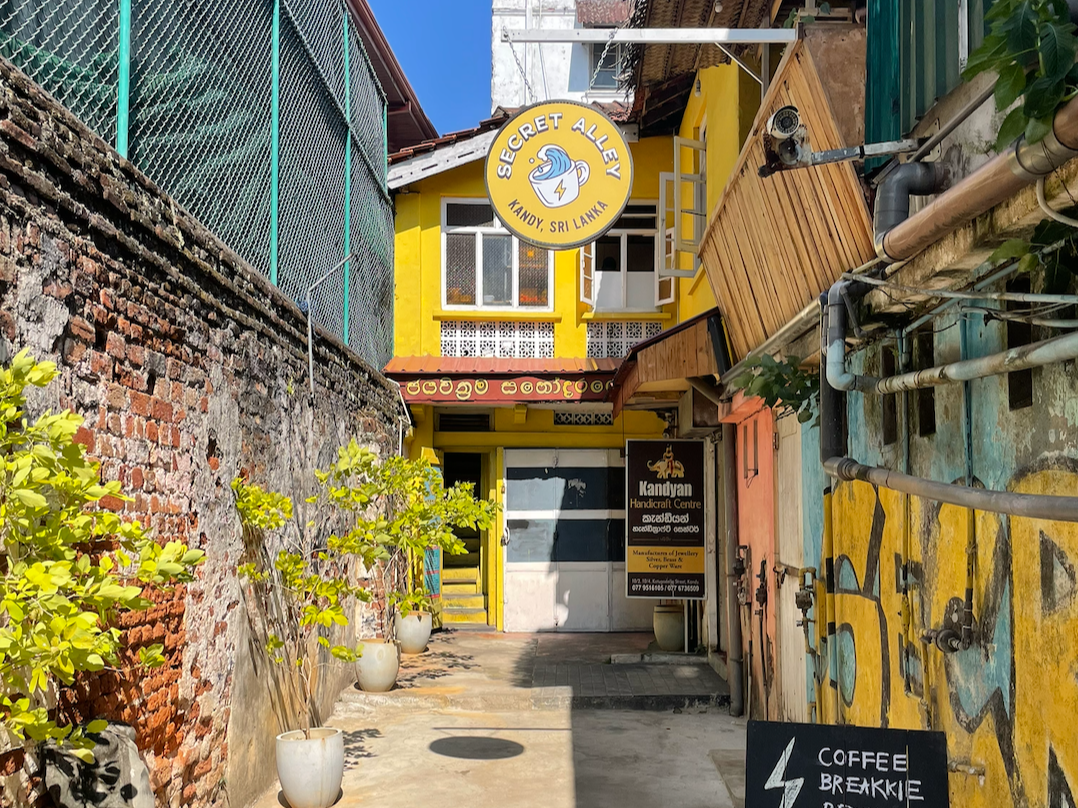
Cafe Secret Alley: amazing coffee and vegan brunch fare, but don’t bring your laptop (wifi was a bust when I was there)
What to See & Do in Kandy

Walk the Perimeter of Kandy Lake at Golden Hour (but mind the crows!)
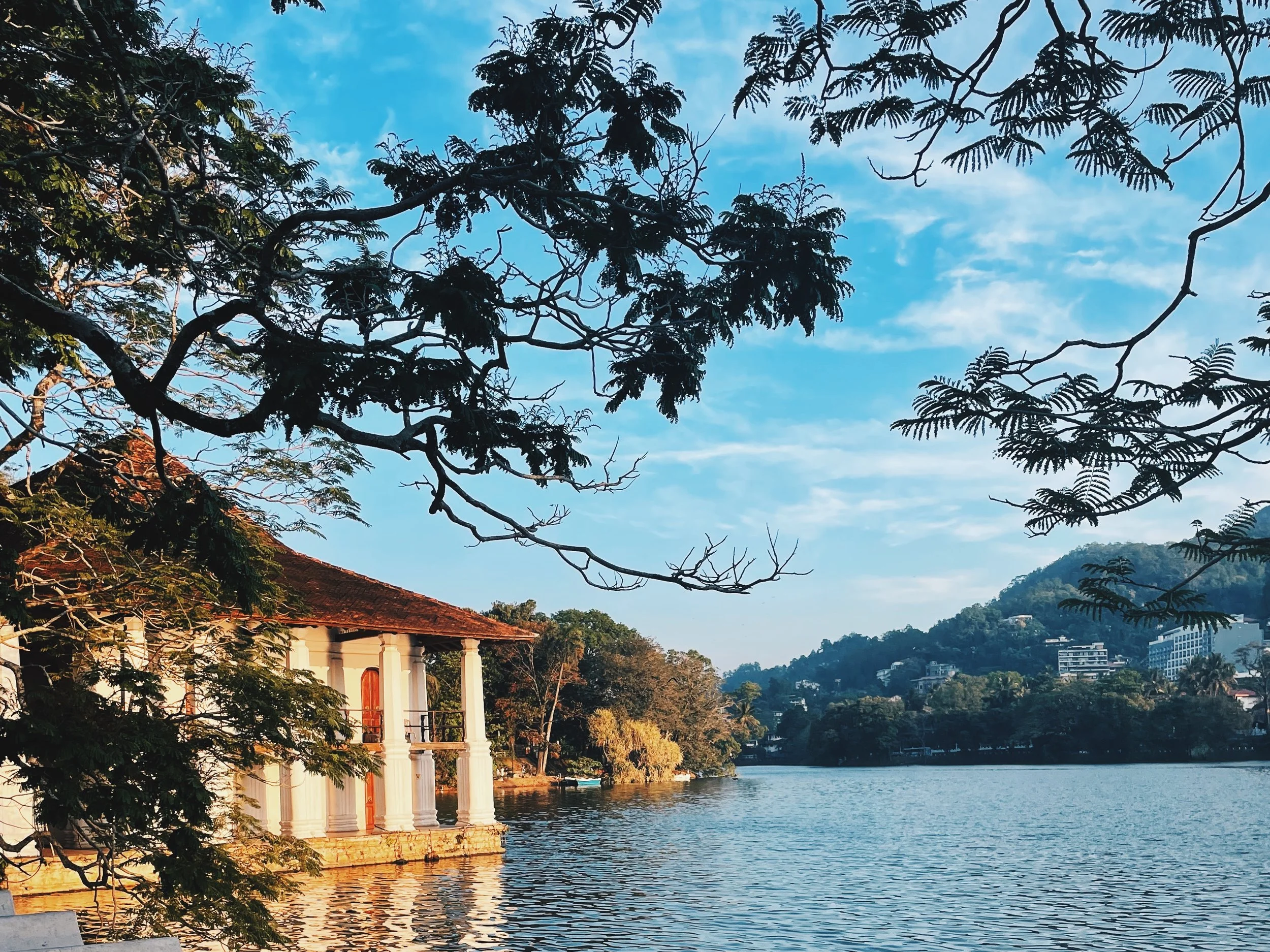
At the heart of Kandy is Kandy Lake, an artificial body of water built in 1807 by the last Kandyan king. While many visitors snap a quick photo from the road and move on, walking the full (or partial) loop around the lake at golden hour offers a much deeper sense of the city’s rhythm. The full loop is 3.2km (about 2 miles) and takes about 40 minutes.
As the heat softens in the late afternoon, locals emerge for evening walks, couples sit along the low walls to talk, monks pass quietly in saffron robes, and fruit vendors begin setting up for the night. The views across the water toward the hills and the Temple of the Tooth change constantly as the light fades, making this one of the most grounding ways to experience Kandy beyond its landmarks.
The walk is mostly flat and can be done at your own pace. You don’t need to complete the full circuit to enjoy it—even a slow stroll along one stretch offers a window into daily life in the city. Start near the Temple of the Tooth and walk away from the busiest entrance points for a quieter experience.
Tip: Maybe wear a hat or bring an umbrella for the sunset hours, not so much for sun protection as for crow protection. Around sunset, hundreds of crows love to roost in the trees around the lake, meaning chances are high the white stuff might land on you.
Cost: Free
Visit the Temple of the Sacred Tooth Relic During a Daily Puja
The Temple of the Sacred Tooth Relic is one of the most important pilgrimage sites in Sri Lanka and the entire Buddhist world, believed to house a tooth relic of the Buddha. While it’s often presented as a must-see attraction, the temple is best experienced not as a monument, but as a living place of worship.
Rather than rushing through the complex, plan your visit around one of the daily puja (prayer) times, when devotees arrive with lotus flowers and incense, drums echo through the corridors, and offerings are made in ritual procession. Even if you’re not Buddhist, standing quietly among worshippers provides essential context for understanding Kandy’s spiritual and cultural center. But do be aware that it will be shoulder-to-shoulder crowded inside at these times.
You won’t see the relic itself—it’s kept inside a casket—but that’s beside the point. What matters here is getting the chance to witness devotion as part of daily life in Sri Lanka, not as performance.
The daily puja times are:
Morning Service (Alms Offering): 5:30 a.m. – 7:00 a.m.
Midday Service (Buddha Pooja): 9:30 a.m. – 11:00 a.m.
Evening Service (Gilanpasa Pooja): 6:30 p.m. – 8:00 p.m
Your entrance ticket to the Temple of the Sacred Tooth Relic in Kandy also includes free entry to the nearby World Buddhism Museum, so be sure to leave enough time to visit both in the same day to save yourself the otherwise 500 LKR entrance fee to the museum.
Tip: Dress modestly (covered shoulders and knees are mandatory for entry) and arrive early to avoid the densest crowds during the pujas.
Cost: ~1500 LKR (slightly more during the daily pujas)
Wander Udawatte Kele Sanctuary for a Quiet Break from the City
Just a short walk from Kandy’s busy center, Udawatte Kele Sanctuary feels like stepping into another world entirely. Once reserved as a royal forest, this protected sanctuary is now one of the best places in the city to slow down and reconnect with Sri Lanka’s natural environment, not to mention drink in some fresh air.
Shaded trails wind through dense forest, past giant bamboo, towering trees, and small ponds where birds and monkeys are often spotted. The paths are easy to follow and suitable for a gentle walk rather than a hike, making it accessible even if you’re short on time or energy.
Udawatte Kele offers something you wouldn’t expect to find in Kandy: quiet. It’s an ideal place to decompress after sightseeing or to balance out the sensory intensity of Kandy’s streets.
Tip: Go earlier in the day for cooler temperatures and better wildlife sightings. Bring mosquito repellent and wear comfortable walking shoes.
Cost: ~600 LKR
Other Great Things to Do in Kandy
Sign up for a Cooking Class: Learn to cook Sri Lankan food in a village setting just outside Kandy, starting with a guided visit to a local market to source ingredients. You’ll prepare a full traditional meal in a home kitchen, then sit down together to eat and get a brief glimpse into everyday village life — from $25 USD on Viator
Hire a Tuk Tuk Driver and Explore Beyond Kandy: This private, customizable day tour lets you explore Kandy’s surrounding landscapes and cultural sites on a flexible schedule. You can visit Ambuluwawa Tower for sweeping views, with optional stops like the botanical gardens, a tea factory, and the Temple of the Tooth. — from $18 USD on Viator
Trek the Knuckles Mountain Range: This full-day guided trek from Kandy moves through tea estates, forest trails, rice terraces, and small villages, offering a gradual transition from cultivated land to quieter mountain landscapes. Along the way, you’ll pass waterfalls, spice gardens, and traditional homes, making it a good fit if you want to experience Sri Lanka’s countryside on foot rather than from a vehicle. — from $85 USD on Viator
Kandy Street Food Tour: This private food walk introduces Kandy through the places locals actually eat, from markets and juice stands to small street food stops. It’s a relaxed way to understand the city’s flavors and rhythms while moving through everyday spaces rather than hopping between “must-try” spots. — from $87 USD on Viator
Day Trip to Kandy’s Waterfalls: A private waterfall hike outside Kandy that combines short forest walks with time to swim and rest at several natural pools. Lunch and transportation are included, making it an easy way to spend a full day outdoors without planning logistics yourself. — from $62 USD on Viator
If you’re already in the habit of booking your tours and experiences through sites like GetYourGuide, Viator, or TripAdvisor, doing so through the links you see here and on my Travel Resources page helps send a bit back to the blog at no added cost to you - Thank you for your support!
How To Get To, From, & Around Kandy
How to Get To & From Kandy
By Public Transportation
From Colombo: The easiest and most scenic way to get to Kandy from Colombo is by train. Services run regularly from Colombo Fort Station to Kandy and take around 2.5 to 3 hours. You can choose between 1st, 2nd, or 3rd class, with or without seat reservations—reserved 2nd or 3rd class tends to offer the best balance of comfort and value. It’s a popular route, so it’s a good idea to book ahead, especially during weekends or holidays. You can do so at the station or via sites like 12go or Bookaway. Buses are also available from Colombo’s Bastian Mawatha Bus Terminal. Look for intercity services to Kandy, which typically take 3–4 hours depending on traffic. AC buses are a bit more comfortable and only slightly more expensive.
From Sigiriya: I took a local bus from Sigiriya Junction to Dambulla (about 30 minutes), and then transferred to an intercity bus heading to Kandy. The whole trip took just over 2.5 hours, including a short wait in Dambulla, and cost less than 1000LKR total. It’s a pretty straightforward journey—just ask the driver or anyone at the Dambulla station to point you toward the right bus. Some travelers also catch a tuktuk to Dambulla or Habarana and start their onward journey by bus to Kandy from there.
From Ella: The train from Ella to Kandy is the most scenic option and takes about 6–7 hours. It’s worth booking a reserved seat in advance if possible, but unreserved tickets can also be bought at the station on the day. Tourist buses and shared minivans are also available—they’re faster (about 5 hours), more expensive, and usually more comfortable. These can often be booked through your guesthouse or online via sites like 12go or Bookaway.
By Private or Shared Shuttle
In Sri Lanka, 12go and Bookaway are king when it comes to finding and booking a private or shared shuttle transfer to pretty much anywhere in the country. You can also book your train and bus tickets through them as well. Both sites have thoroughly vetted the on-the-ground local companies and drivers they work with, so you can trust who you’re getting in the car, shuttle, bus, or train with and have the peace of mind of 24/7 support should anything go wrong.
Rent a Tuktuk, Car, or Scooter
If you’re comfortable sharing the road with Sri Lanka’s sometimes chaotic drivers (mostly the bus drivers), consider renting a car, scooter, or tuktuk. For car rentals, I recommend checking out DiscoverCars.com. It’s an award-winning car rental comparison site where you can find, compare, and rent a car. They include all mandatory fees, taxes, and extras in the quoted price and offer 24/7 support and free cancellation. For something more local and maneuverable, I recommend a scooter or tuktuk. For tuktuk rentals, check out the social enterprise tuktukrental.com and use code NOMAPS for 5% off your booking.
How to Get Around Kandy
Kandy is a fairly compact city, and much of it can be explored on foot—especially around the lake, the Temple of the Tooth, and the main market streets. That said, the city is hilly, and traffic can get hectic, so sometimes it’s worth saving your energy and hopping in a tuk-tuk.
Tuk-tuks are everywhere and generally affordable, but prices can be inconsistent. Short rides within the city should cost around 300–600 LKR, depending on the distance and your bargaining skills. Always agree on a price before getting in, or look for metered tuk-tuks (less common but possible).
For trips just outside the city (like to the Botanical Gardens in Peradeniya or the Bahirawakanda Buddha statue), a tuk-tuk is still your best bet. Expect to pay 800–1500 LKR for longer return trips, and don’t be shy about negotiating.
There are also local buses that run around the city and to nearby attractions. They’re super cheap but a bit tricky to navigate if you don’t know the route—still, a fun option if you're up for a bit of chaos.
Found this helpful?
I spend a lot of time in coffee shops putting together content like this. If you’d like to support my work, consider buying me a coffee to show some love and to just say thanks ❤️
What to Read Next


Support the Blog While You Travel
Travel and give back to the blog by booking things like your hotels, tours, and trip insurance through the links below. When you use these links, they send a bit back my way at no additional cost to you. Your support is much appreciated!
Accommodations: Booking.com for hotels, HostelWorld for hostels, and Vrbo for vacation rentals
Tours & Experiences: Viator, GetYourGuide, and TripAdvisor for tours and experiences or GuruWalk for free walking tours
Flights: Going for flight deal alerts
Buses, Shuttles & Trains: Bookaway or 12Go for shuttles and trains and BusBud for bus tickets
SIM Cards & eSIMS: SIM Local for eSIMS or Drimsim’s universal SIM card if your phone doesn’t accept eSIMs
Trip Insurance: Squaremouth, WorldTrips, and World Nomads
Visit my Travel Resources page for even more ways to support the blog with your travel purchases.

Ancient temples, wild elephants, home-cooked meals, and serene homestays, here’s how to spend a few solid days in Sigiriya, Sri Lanka.