Before You Visit Riga: A Traveler’s Guide to Latvia’s Occupation History and How to Travel There Thoughtfully Today
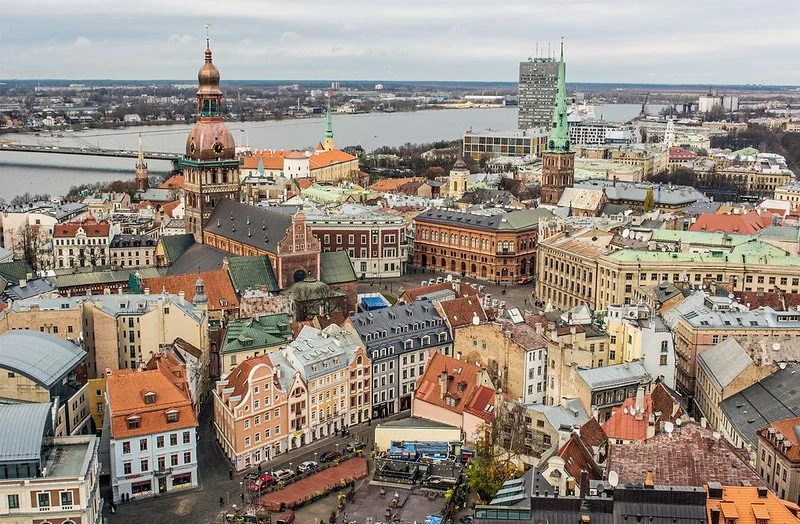
Photo by Troy David Johnston via Flickr
This entry may contain affiliate links. This means if you click a link in this post and make a purchase, I may earn a small commission at no additional cost to you.
Latvia doesn’t usually enter the travel conversation through its history.
More often, it appears through its architecture, its affordability, its “underrated” Baltic charm…the language we use when a place feels newly available to us. But Latvia is not newly anything. It is a country whose independence, culture, and language survived nearly fifty years of Russian and German occupation within living memory. And to visit it without understanding this is to arrive without context.
This blog post is not a guide born from my own foot tracks on Latvian streets. I haven’t yet been (though I’d love to). It is born from reading, then research, and finally reflection on what it means to travel thoughtfully in places shaped by trauma, resilience, and long-silenced histories. As a traveler and travel content creator, I believe we don’t only influence where people go—we influence how they arrive. How you arrive.
And in Latvia, it’s how you arrive that matters.
In a Rush? The Responsible Traveler’s Quick Summary
If you are short on time but want your travel dollars to directly support Latvian heritage, local artisans, and family-owned businesses, here is your instant roadmap to Riga:
Budget-Friendly & Hyper-Local: Tree House Hostel — A cozy, locally-owned eco-hostel in Old Town Riga that focuses on sustainability, local organic breakfasts, and community events.
Mid-Range Boutique Heritage: Neiburgs Hotel — A family-owned, beautifully restored Art Nouveau property inside a historical monument, owned by the descendants of the original Latvian builder. Their restaurant prioritizes ingredients from Riga Central Market.
Luxury Cultural Immersion: Grand Palace Hotel — Located in a historic 19th-century building in the quiet heart of Old Town, this independently operated boutique hotel offers premier Latvian hospitality and seamless access to local cultural guides.
Must-Do Cultural Experience: Take a day trip to the ancient forests of Gauja National Park (1.5 hours from Riga) for a guided mushroom foraging hike with a local naturalist.
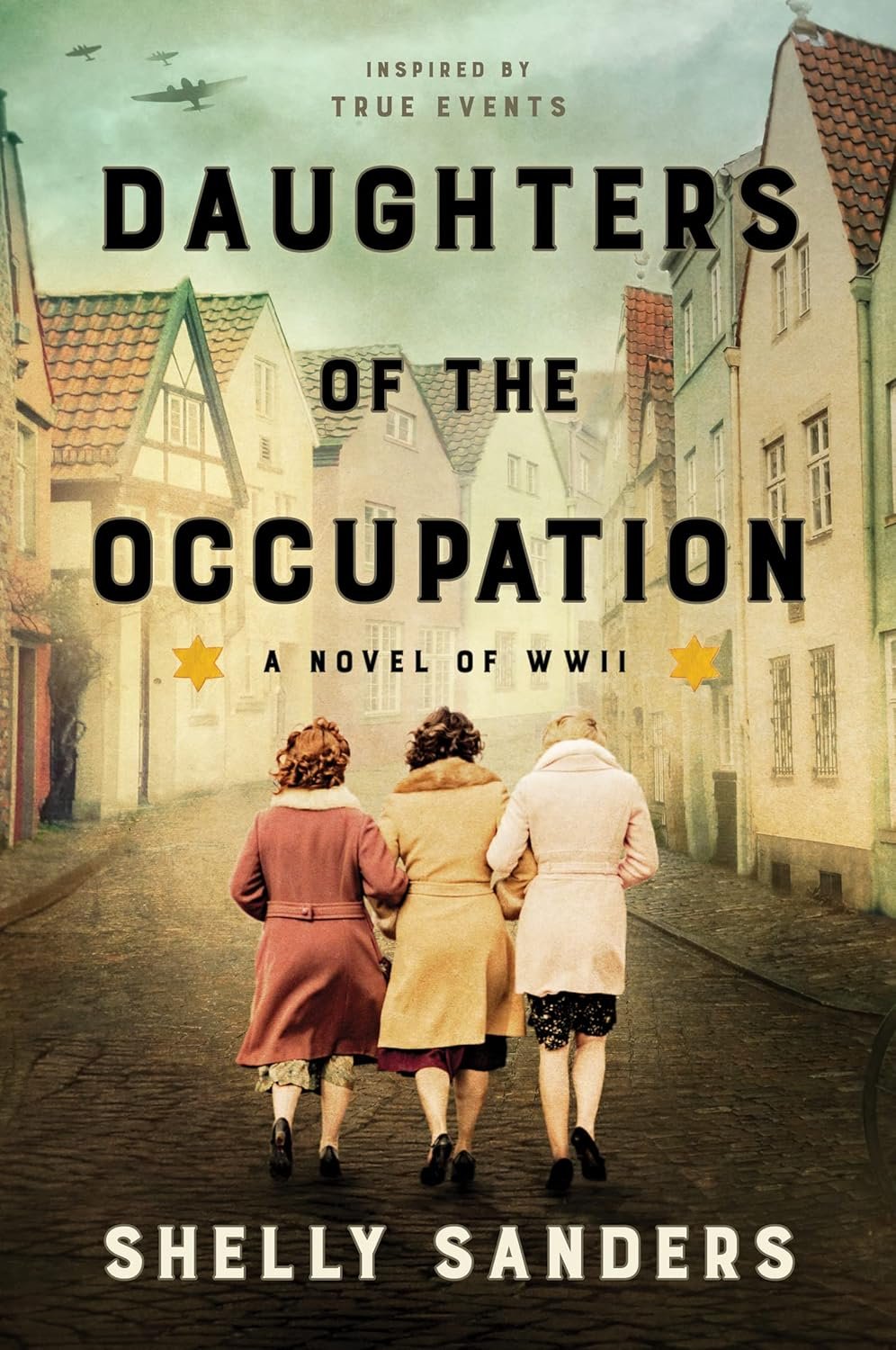
I first encountered Latvia through Shelly Sanders’ Daughters of the Occupation—a novel inspired by true events and the author’s own family history that moved between Riga in the 1940s and Chicago decades later, tracing lives shaped by war, exile, and survival. This book taught me the weight behind the facts of history. And once I felt that weight, it became impossible to see Latvia as just another beautiful Baltic destination.
“The truth is so hard to bear. Not many people are willing to carry it.” — from Shelly Sanders’ Daughters of the Occupation
This “travel guide” to Latvia is a primer for travelers who want to understand Latvia before experiencing it. Not just visually and practically, but historically and humanly.
The History You Can’t Skip: Latvia Between Two Occupations
Latvia’s 20th century wasn’t defined by a single rupture, but by the fact that is was being crushed between two empires.
In 1940, Latvia was forcibly annexed by the Soviet Union. Just a year later, Nazi Germany invaded. By the end of World War II, Latvia fell under Soviet control once again and that Soviet death grip didn’t release until the restoration of independence in 1991.
These shifts that went beyond simply political meant:
Mass deportations of citizens to Siberia (by the Soviets)
The near-total destruction of Latvia’s Jewish population (by the German Nazis and their Latvian allies alike)
Forced Russification and suppression of Latvian language (post WWII)
Censorship, surveillance, and cultural erasure (until independence in 1991)
Generations growing up under occupation rather than sovereignty (anyone born and raised and living in Latvia from 1940 to 1991)
What makes this history especially haunting is not only what happened, but how little space there was for those who lived through it to process it publicly for decades afterward. Their trauma had to be dealt with in private and stories from these trying decades were passed down in fragments, not full tellings. Their memory of these times even became something they had to keep to themselves rather than speak freely.
After reading Sanders’ book and then researching more of the story, I understand now that understanding Latvia means understanding that independence isn’t just a political condition here. It is a lived, fought-for identity.
I’m arguing that this matters for travelers, because history is not something Latvia had the option to neatly tuck away inside its museums. It lives in its architecture we’re all admiring, in the language politics, in family narratives, and in what Latvians still fiercely protect today, publicly or perhaps, out of habit, more privately.
Understanding Latvia’s History Through Riga
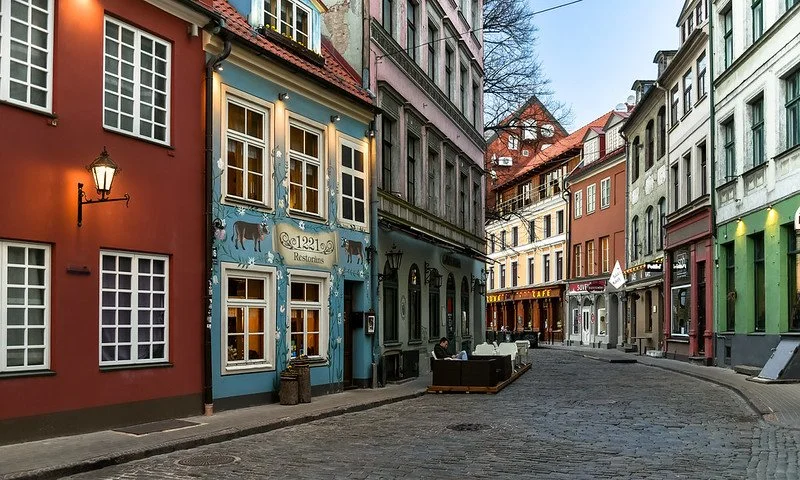
Photo by Jorge Franganillo via Flickr
From what I’ve gathered, most travelers to Latvia almost always begin in Riga—and for good reason. Riga is not only the capital of Latvia, but the most accessible lens through which Latvia’s layered history is visible.
In Riga, Latvia’s story is right there for you to engage with, and not in a theatricalized way either. It’s there quietly, insistently, for those willing to look it in the eye. My hope with this post is that you’re one of the millions who visit Latvia each year that sees Latvia for who and what it is.
Here are a few spots in Riga that can help you truly see:
The Museum of the Occupation of Latvia: This museum traces the 51-year period (1940–1991) of consecutive Soviet, Nazi, and renewed Soviet occupations. It holds over 75,000 items, including personal artifacts, photos, and documents that highlight the repression and resistance of this period in Latvian history.
The KGB Corner House: This is the former headquarters of the Soviet KGB (secret police). This building was used for this purpose from 1940-1941 and again from 1944-1991. It was the site of interrogation and imprisonment. It now serves as a museum and exhibition space highlighting the history of Soviet surveillance, repression, and torture during the occupation of Latvia by the Soviets.
The Freedom Monument: A 140-foot (42.7-meter) high landmark unveiled in 1935 to honor the soldiers killed during the Latvian War of Independence (1918–1920). It survived the Soviet occupation and became a central rallying point for the national independence movement in the 1980s.
The Jewish Ghetto and Holocaust Museum: This museum bears witness to the near-erasure of the Jewish community in Latvia by way of their vibrant life before the war, the devastation of the Holocaust (approximately 70,000 Latvian Jews were murdered), and the resilience of those who survived.
The Soviet-era housing blocks and infrastructure: This is the architecture to understand. It still shapes daily life in Riga. For the best sample, visit the sprawling, 1960s-1980s residential areas outside the city center of Riga, specifically in neighborhoods like Imanta, Ķengarags, Ziepniekkalns, Pļavnieki, and Mežciems.
I hope it’s starting to click that these aren’t simply “things to see and do in Riga” in the classic travel guide sense. These are places that ask those who visit to slow down, to absorb, and to hold their discomfort alongside their admiration.
I can see from the photos alone that Riga is stunning. That’s a fact. But it is also honest. And that combination is what makes it such a powerful starting point for understanding Latvia as a whole.
Why Knowing This History Has The Power to Shape How You Visit Latvia
History doesn’t just belong to textbooks. It should inform behavior. Especially when we travel. Here is why knowing its history has the power to shape how you visit:
It Becomes Impossible to Mischaracterize Latvia
As I mentioned at the start of this post, Latvia is not “cheap Europe", a “post-Soviet aesthetic”, or an “undiscovered” playground. It’s so much more than that. To know the history of Latvia makes talking about it in these terms sound pretty thin at best, and offensive at worst.
If you’ve read this far, I hope you’re starting to see that. I hope you’re starting realize the power in your words. Latvia is a shining example of cultural survival and a modern independence movement, one fought for and within the living memory of many of the humans you may meet while walking around Riga today. Our language around it, the way we frame it when we speak about it to our friends and family back home after our trip matters.
Let’s not erase what was and overwrite it with a self-serving narrative. Let’s see and know Latvia for who it is, for who Latvians have always known themselves to be.
It Makes You Want to Spend Your Money in the Right Places
Where you choose to stay, eat, tour, and shop shapes whose Latvia is being supported.
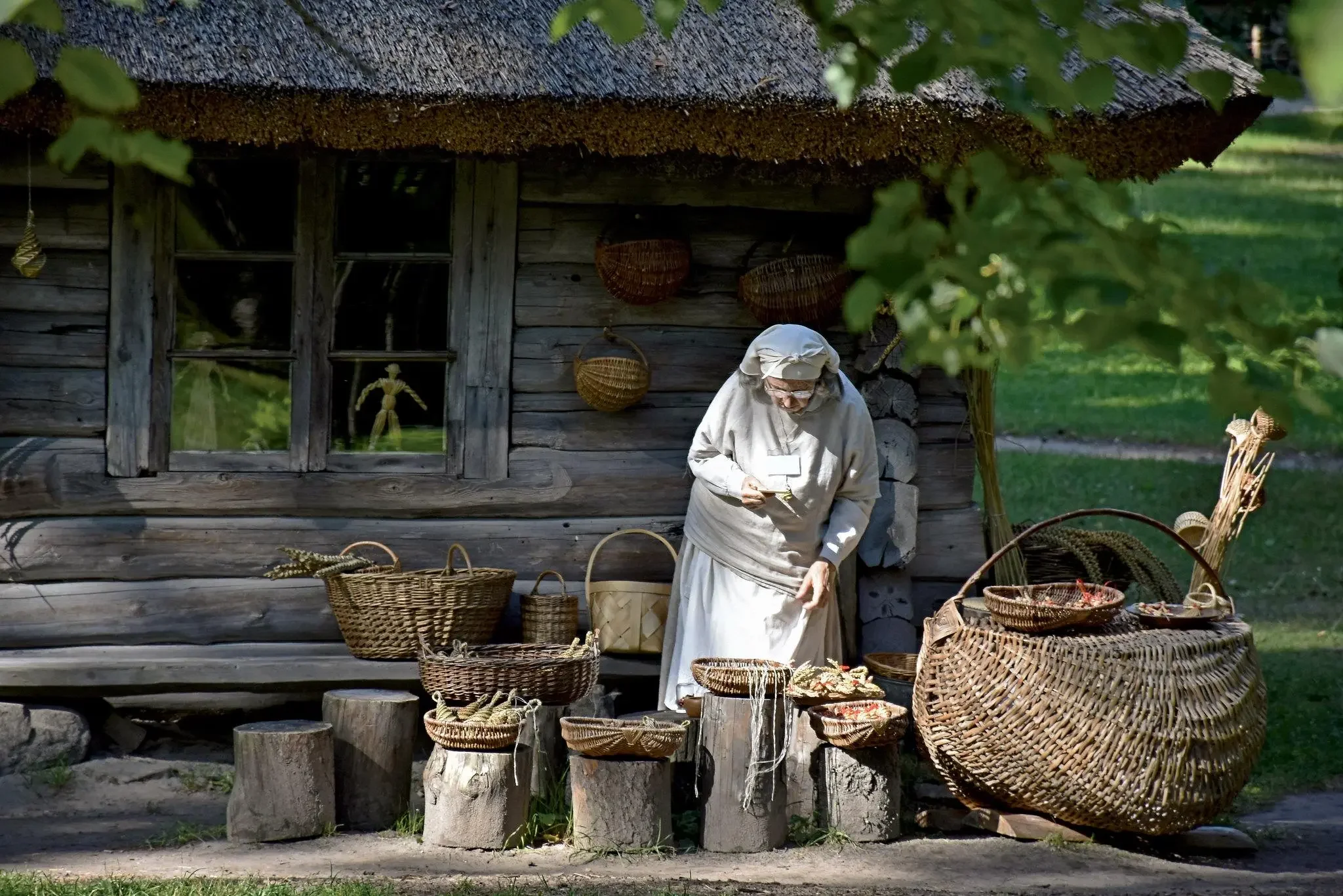
Source: Latvia Travel
Here are a few suggestions for where to spend your money in Latvia:
Locally owned guesthouses and hotels, like Boutique Hotel Kristofs or Hotel Gutenbergs in Riga
Latvian-led tour companies like Private Baltics, Allure Tours, and GuruWalk’s tip-based, local-led free walking tours
Craftspeople and makers preserving and innovating upon Latvian traditions, like Viola Anna Bīriņa’s black pottery, Rennan Villar’s handcrafted knives, pipes, and jewelry, and all of the makers and studios mentioned in this program
Regional travel beyond Riga to places like Sigulda and Gauja National Park for medieval castles and hiking, the historic town of Cēsis, the coastal resort of Jūrmala, and Kuldīga, home to Europe's widest waterfall, the Ventas Rumba. Other top spots include Rundāle Palace and the pristine, rugged beaches of Cape Kolka
In addition to this, be especially mindful of any experiences or tours that:
Turn Latvia’s occupation history into novelty
Package trauma for your entertainment
Or sell “Soviet nostalgia” without honoring the very real lived suffering that’s taken place on the ground you’re walking
It Changes the Way You Experience the Country
Context shapes experience in profound ways, offering new depths of connection with the people and the place you’re visiting. Here are few additional ways you can take that connection even deeper:
Learn a few basic Latvian phrases. Even though many people speak English and Russian in Latvia, knowing a few Latvian phrases will surprise the people you meet and serve as a great doorway into conversation and connection. Try this introduction to Latvian greetings from the YouTube channel Irregular Latvian.
Understand why language preservation matters deeply here. And if you’ve read this far you’re already starting to, but I invite you to go even deeper. Read Daughters of the Occupation if you prefer understanding history through historical fiction or go find your own historical resources, be it documentaries, YouTube, podcasts, a trip to the library, or your own internet deep dive.
Ask respectful questions and be wary of curated stories meant to paint the wrong picture of this place. Having some understanding of the story of Latvia before you arrive leaves you less at risk of passively taking in false impressions and narratives of Latvia and its people. It also equips you to challenge those false or thin narratives when you come across them with better questions and a more rooted sense of curiosity.
Allow emotional weight to be part of the experience. Latvia’s history isn’t comfortable to confront, but doing so transforms you’re ability to feel a deep connection to this place and its people while you’re traveling it and long after you’ve returned home.
You don’t have to do any of the above perfectly. Any effort to do any one of them, however, will transform your experience in Latvia from one that feels superficial to one that feels deep and lasting. The true power of travel, I believe, is the way it takes a place and a people you once knew nothing about and makes them something real, tangible, and human. And these sort of pre-trip and on-the-trip actions are how we get there.
A Thoughtful Starter Guide to Latvia Today
We’ve spent a lot of time in this post emphasizing Latvia’s more traumatic past and why that past matters to the modern day experience of travelers in Latvia. But one of the most beautiful aspects of Latvia is its unwavering cultural fortitude and natural beauty, the elements of Latvia that were never lost despite all of the forces and factors that risked their survival. Here’s how and where to participate in Latvian culture and its breathtaking nature:
Where to Go Beyond Riga
As you already know, I haven’t been to Latvia myself yet, but these are the spots I would and will go when I get there:
Cēsis and Sigulda: medieval towns and access points to Gauja National Park
Kurzeme Coast: windswept beaches, fishing villages, and deep quiet
Latgale: culturally rich, often overlooked, and deeply tied to Latvian identity
Gauja National Park: forests, rivers, and the landscapes that sheltered the resistance and survival you’ve been learning about
Small Request: If you’ve been to Latvia and back, please let me know what you’d add to this list or clarify, so that I can pass your tips onto the other travelers who find their way to this post. Send me a message on Instagram or via email - thank you!
When to Visit: Some Key Dates to Time Your Trip to Latvia For
If you really want to see Latvia at its most alive or most moving, these are the times of year to target:
The Ultimate Cultural Milestone (Every 5 Years)
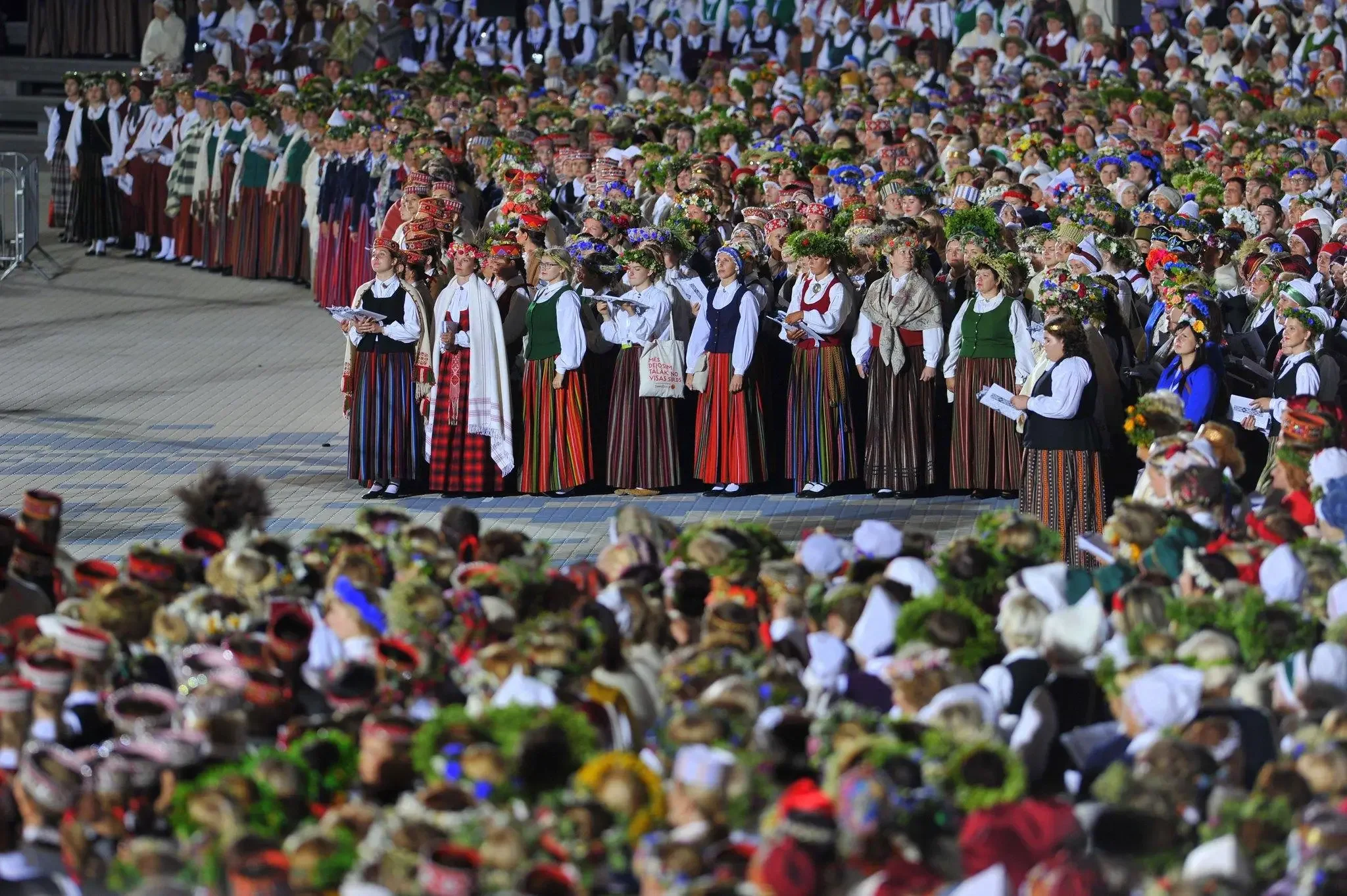
The Latvian Song and Dance Festival (Next expected in July 2028): If you can time your travel to match this mega-event, you will witness the absolute pinnacle of Latvian cultural unity. For one week, Riga transforms into a massive stage where tens of thousands of singers and dancers clad in traditional folk costumes perform. It is an overwhelming, emotional showcase of national identity that leaves a lasting impression on anyone who witnesses it.
Folklife & Ancient Traditions
Meteņi (Late February / Early March): This ancient pagan festival welcomes spring and bids farewell to winter. At the Latvian Ethnographic Open-Air Museum, you can participate in traditional masking rituals, folklore singing (dainas), and outdoor winter games that have been passed down for centuries.
The Grass Market (June 22nd): Held the day before Līgo (Midsummer) in Riga's Old Town, this bustling market is a sensory dive into Latvian nature folklore. You can watch locals weave traditional oak and flower crowns, taste authentic caraway cheese, and learn about the magical properties assigned to different meadow herbs.
National History & Remembrance
Lāčplēša Day (November 11th): This event honors the soldiers who defended the newly independent state in 1919. The atmosphere is solemn yet incredibly moving. You can join locals in a silent torchlight procession through Riga and place a candle against the stone walls of the Riga Castle, a powerful display of national memory.
Proclamation Day of the Republic of Latvia (November 18th): This national holiday celebrates Latvia's 1918 declaration of independence. The day features a formal military parade along the Daugava River, a moving address by the president, collective singing of the national anthem, and a festive evening fireworks or light show.
Modern Art & Heritage
The Baltic Unity Day (September 22nd): This day commemorates the historical ties between Latvians and Lithuanians. Cultural centers host joint folk concerts, poetry readings, and traditional bonfire-lighting ceremonies on ancient hillforts across the country to celebrate Baltic survival and heritage.
Staro Rīga Light Festival (Mid-November): Overlapping with the November national holidays, this festival uses cutting-edge light installations to project Latvia's historical narratives, myths, and modern stories directly onto the facades of Riga's historic Art Nouveau and medieval buildings.
Things to Do in Latvia That Carry Cultural Meaning
Source: Latvia Travel
The Living History of Song & Dance: While the massive UNESCO-recognized festival happens every five years, immerse yourself in it, even outside of the sporadic celebrations, by visiting the iconic Mežaparks Open-Air Stage in Riga. Located in a historic, pine-forested park in Riga, this massive architectural masterpiece was built specifically to hold up to 40,000 singers and dancers. It’s open daily to the public. Walk the stage, experience its incredible acoustics, and explore the interactive exhibition hall (Dziesmu svētku telpa) which preserves the multimedia legacy, historical field recordings, and moving stories of the "Singing Revolution".
The Authentic Latvian Bathhouse (Pirts): Exploring traditional sauna culture in Latvia is a deeply spiritual, hours-long ritual led by a certified pirts master. It involves hot steam, therapeutic switching with wild tree branches, and cold plunges to cleanse both body and soul. Book a session at Ziedlejas Wellness Resort, located in the forested hills near Sigulda. Their pirts masters will lead you through custom thermal therapies inside their authentic smoke or glass saunas, using freshly harvested local tree switches, wild herbs, and skin-smoothing honey treatments before they guide you into a refreshing plunge pool to finish.
Folk Markets & Artisan Studios: From the massive Riga Central Market to independent pottery studios in the Latgale region (Latvia's famed "Land of Blue Lakes" and pottery), meet local artisans keeping centuries-old woodworking, amber jewelry, and textile traditions alive. If I were you, I’d visit the Daugavpils Clay Art Centre or book a workshop at Lība Ceramics in Latgale. Latgale ceramics, specifically, are a protected pillar of Latvian folk art. At these studios, you can participate in therapeutic masterclasses to shape raw clay under the guidance of local masters, learn about traditional raku firing techniques, and purchase authentic wares stamped with ancient Baltic pagan design motifs.
Connecting with the Spiritual Forest: With over 50% of the country covered in wilderness, Latvia is one of Europe's greenest nations. Explore this deep relationship through guided foraging hikes, picking wild berries and mushrooms, or walking ancient nature trails. One way to do this is by taveling 1.5 hours northeast of Riga to Gauja National Park, specifically targeting the Amata River Valley or the ancient woods surrounding Kārļamuiža. There, foraging is a deeply rooted pastime that borders on a competitive sport for locals. You can book an immersive, half-day Mushroom Foraging Tour with Kārļamuiža Country Hotel led by a professional nature guide. If you’d rather not sort transport yourself, here’s another well-reviewed foraging experience on GetYourGuide from Riga.
Baking Sacred Rye Bread (Rupjmaize): More than just food, dark rye bread is a cornerstone of Latvian identity. You can visit traditional countryside bakeries to learn the rituals of bread-making and taste it warm from wood-fired ovens. Take a day trip from Riga to the master bakery Ceptuve Lāči. Lāči is legendary in Latvia for keeping ancient bread-making traditions alive. Book a guided tour of the facility to watch bakers knead dough by hand in massive wood troughs, learn the folklore surrounding the bread, and roll out your own custom loaf of heavy dark rye to be baked in the traditional wood-fired ovens.
How Stories Make Us Better Travelers
Explore the novel that inspired this blog post.
Fiction rooted in real history doesn’t replace facts, but it does give them gravity. It gives faces to policies, homes to headlines, and silence to statistics. And in the world we live in today, that’s some pretty powerful medicine.
Shelly Sanders’ Daughters of the Occupation does this for Latvia. Moving between occupied Riga in the 1940s and immigrant life in 1970s Chicago decades later, it traces how trauma travels across generations even when borders are crossed. Personally, this book reminded me that travel is never just about movement through space—but through memory, too.
Our empathy is one of the most important travel tools we carry. Not because it makes us better tourists—but because it makes us more human in places that deserve that care.
Traveling Without Being There
I haven’t yet been to Latvia. But I believe contributing thoughtfully to tourism does not always require physical presence. It can look like this too: researching and writing a post that inspires those who are getting there before me to go with some context and respect for the culture and story of the place they’re visiting.
As a travel writer and content creator, I’m acutely aware that travel content doesn’t just sell destinations; it shapes narratives. Latvia has had a deficit in narratives that reflect its true depth, not just its charm or affordability. I hope this post in some small way begins to shift that.
If you travel there soon or someday, my hope is that you arrive with curiosity, humility, and that you remember this context shared here in this post. If you don’t ever make it there, I hope this post leaves you with a newfound respect for Latvia, its people, and its story. You don’t have to go to get that.
Thank you for going deeper with me! Safe travels!
How This Kind of Content Is Made Possible
If you found this post valuable, one of the best ways you can support my work is by using the affiliate links you find throughout this post and on my Travel Resources page as you continue to plan and book your trip—at no added cost to you. This allows me to continue researching, writing, and sharing thoughtful travel content like this as a full-time job—content that prioritizes context, care, and community over quick travel recommendations. Thank you for being part of that in this way!
What To Read Next


In the lead up to my Sri Lanka trip, I sat down with Béné Bicaba of Empathy Travels to ask for a few empathy-focused tips to enhance my experience in Sri Lanka and beyond.