Brazil Travel Tips: What to Know Before You Go (SIM, Visa, Money & More)
Affiliate Disclosure: This post contains some affiliate links, which means I may earn a small commission if you book or purchase through them — at no extra cost to you. I only recommend services I use myself or would confidently recommend to a friend.
Planning a trip to Brazil? Here’s what to know before you land, from tourist SIM cards and visas to Brazilian reais, ride-sharing apps, and safety.
You’ve booked the flight. Your bags are almost packed. And, if you’re anything like me, now the real questions start to flood your mind. Will my phone work? Do I need a visa? How do I get from the airport? Is Brazil safe? Will anyone speak English?
If you’re about to land in Brazil—not just dreaming about it, but imminently arriving—I wrote this guide for you. These are the practical things that make the difference between feeling overwhelmed on arrival and feeling prepared.
Here’s what to know before you’re wheels down in Brazil.
SIM Cards in Brazil: How to Stay Connected
Staying connected in Brazil isn’t optional. You’ll need data for:
Uber or 99 rides (more on 99 later in this post)
WhatsApp communication
Google Maps navigation
Airline updates and reservations
Landing without connectivity adds friction immediately.
Here’s how to handle it—realistically.
Option 1: Buy a SIM Card at the Airport (Not Recommended)
Major international airports in Brazil do sell SIM cards, but not in the way many travelers expect. Dedicated flagship stores for TIM, Claro, or Vivo are surprisingly rare inside terminals.
Instead, you’ll typically find:
Third-party kiosks
Pharmacies
Multi-service shops
Lottery stores (Lotéricas)
Most airport kiosks are third-party vendors, not official carrier stores. “Convenience SIMs” sold at these stands can cost up to $40–50 USD. By contrast, a basic local chip at a Lotérica or pharmacy (like Droga Raia) typically costs around BRL 15–20 (roughly $3–4 USD).
The catch?
If you buy from a pharmacy or newsstand, you’ll usually need to register the SIM yourself—and that process often requires a CPF (Brazilian tax ID), which most tourists do not have. The reality is SIM purchase options inside the airport are typically extremely overpriced or affordable but require a CPF. Your best bet is to wait until you can go to an official carrier store, typically located in shopping malls, who can reliably help you register your SIM using just your passport.
Airport Availability by City
Here’s what you can expect to find at each of the major airports in Brazil:
São Paulo–Guarulhos International Airport (GRU): No large flagship carrier stores inside terminals. You can sometimes purchase TIM SIM cards at the Lotérica in Terminal 2 (upper floor near Starbucks). A shop called Print & Scan between Terminals 2 and 3 is known for helping foreigners register TIM SIMs with a passport.
Rio de Janeiro–Galeão International Airport (GIG): Dedicated carrier stores are rare. You may find kiosks in arrivals, but prices are often significantly marked up compared to city rates.
Salvador–Deputado Luís Eduardo Magalhães International Airport (SSA): There are typically no large official TIM, Claro, or Vivo stores inside the terminal. SIM cards are usually sold through third-party kiosks or convenience-style vendors in arrivals. Expect convenience pricing rather than standard city rates. If you prefer official carrier registration using a passport, you may need to visit a shopping mall or retail store in the city center after arrival.
Brasília International Airport (BSB): One of the more reliable airports for finding carrier kiosks in the arrivals hall.
Belo Horizonte International Airport (CNF): Kiosks and retail stores offering SIM options are typically available in arrivals.
Availability changes—don’t assume every airport will be identical.
Option 2: Buy in the City (Cheapest Option)
If airport options are limited, most airports have free Wi-Fi strong enough to call an Uber to a nearby mall.
For example, near GRU: Shopping Internacional Guarulhos has official TIM, Vivo, and Claro stores that can register tourist SIMs properly.
This is often cheaper, but it does put you in limbo without data until you can get from the airport to a carrier store.
Option 3: Use an eSIM (Simplest for Most Travelers)
This is the route I typically go, no matter where I travel. With SIM Local, for example, you can purchase your plan before departure, install it digitally, and land with data already active—no kiosk stops, no CPF registration, no waiting in line.
It’s especially helpful if:
You’re landing late at night
You need to call a ride immediately
You’re connecting to a domestic flight
You simply want to remove one layer of uncertainty from arrival
For many travelers, the time saved and friction avoided outweigh the slight price difference compared to buying locally.
Full transparency: I have a partnership with SIM Local, but I chose to work with them after using their service myself. Having data immediately upon landing has made my own arrivals significantly smoother.
Technical Notes Before You Go
Your phone must be unlocked to use a Brazilian SIM or eSIM.
Most modern smartphones support eSIM—check settings before purchasing.
You can keep your primary SIM active for SMS verification from your home country.
WhatsApp Is Essential
Brazil runs on WhatsApp. Hotels, tour guides, restaurants, and drivers use it daily an you do not need a Brazilian number to use WhatsApp—it works with your existing number as long as you have data.
Just remember to download and verify it before departure, as you may need to receive a code via text for that process.
Do I Need a Visa for Brazil?
Visa requirements depend on your nationality.
For U.S., Canadian, and Australian travelers, Brazil has periodically required an e-visa. Policies change, so always verify with your country’s official government travel website before departure. If you do need a visa, you can apply at brazil.vfsevisa.com.
General requirements:
Passport valid for at least 6 months
Proof of onward travel
Proof of accommodation (occasionally requested)
Check this early—not the week of departure, as applying and being approved for a visa could take up to a couple of weeks.
Language in Brazil: Do You Need Portuguese?
Brazil speaks Portuguese—not Spanish.
In major tourist areas, some people speak English. Outside those areas, English becomes far less common. Even learning a handful of phrases goes a long way.
If you want something more practical than an app, I’ve been taking beginner Portuguese lessons with a Brazilian friend of mine, Julia Salek, who now offers online classes. What’s helped most isn’t just vocabulary—it’s pronunciation, rhythm, and cultural nuance. The way Brazilians actually speak.
Language apps, like Duolingo, Babbel, or Pimsleur can be helpful for memorizing basics. But working with a real person has me heading off to Brazil feeling far more confident about everyday interactions—ordering food, navigating transport, and greeting people properly.
If you’re preparing for a trip and want to feel more comfortable communicating, reach out to Julia via Instagram to schedule a lesson.
Even if you’re only learning a few essentials, start here:
Bom dia – Good morning
Boa tarde – Good afternoon
Boa noite – Good evening
Obrigado/a – Thank you
Por favor – Please
Quanto custa? – How much does it cost?
Onde fica…? – Where is…?
Desculpa – Sorry / excuse me
Even imperfect Portuguese is appreciated—effort goes a long way.
Money in Brazil: Cash, Cards, and PIX
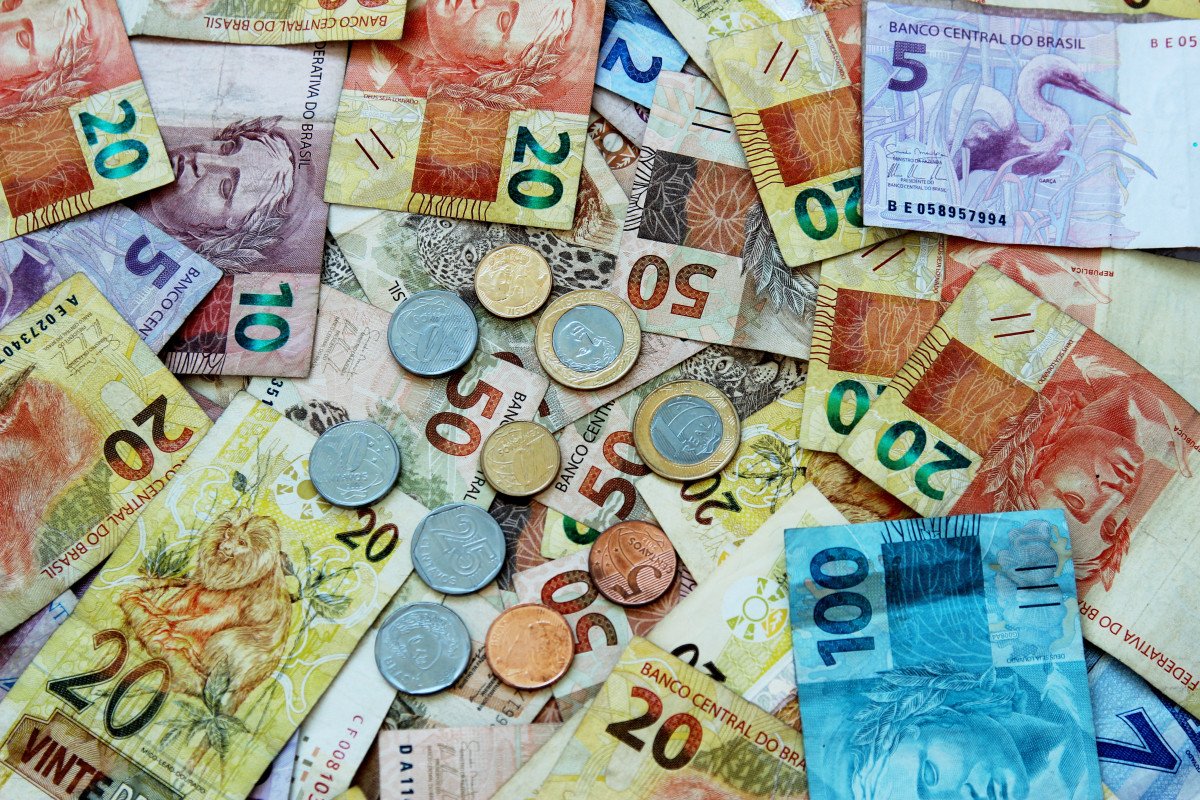
Brazil’s currency is the Brazilian real (BRL). Prices are listed with the symbol R$.
Exchange rates fluctuate, but as a rough reference, the real is typically worth a fraction of the U.S. dollar or euro. Expect numbers to look larger than you’re used to—R$100 may not be as dramatic as it appears at first glance.
Before you travel, check the current exchange rate so you have a basic mental framework for spending. At the time of writing this (February 2026), R$10 is roughly $2 USD.
Credit Cards
Widely accepted in cities and tourist areas. Visa and Mastercard are the safest bets.
Brazil is highly card-friendly—even small cafés and taxis often accept contactless payments.
American Express is less universally accepted.
PIX
Brazil’s instant digital payment system. Locals use it constantly—for everything from restaurants to street vendors.
However, PIX typically requires a Brazilian bank account, so it’s not practical for short-term visitors.
You’ll likely see QR codes everywhere. Don’t worry—cards still work.
Cash
Useful in:
Small towns
Beach kiosks
Open-air markets
Rural areas
But you won’t need to carry large amounts in major cities.
Withdraw from ATMs located inside banks or shopping malls for added security and avoid standalone street ATMs when possible.
A Few Practical Notes
Notify your bank before travel. Many banks don’t require this anymore, but if yours does, be sure you let them know you’re traveling and where.
Some machines may ask whether you want to be charged in USD or BRL—choose BRL to avoid dynamic currency conversion fees.
Keep small bills for taxis and beach vendors.
Getting Around Brazil
Brazil is enormous. Distances between regions are often greater than travelers expect—and the country spans multiple time zones, which can affect flight schedules and arrival times.
How you move between cities will shape your experience.
Here’s what actually works.
Domestic Flights: Often the Smartest Option
If you’re traveling between major regions (São Paulo to Salvador, Rio to Recife, etc.), flying is usually the most efficient choice.
Major domestic airlines in Brazil include:
LATAM Airlines Brasil – The largest carrier with extensive routes.
GOL Linhas Aéreas – Budget-friendly and widely used.
Azul Brazilian Airlines – Excellent regional coverage, especially to smaller cities.
Flights are generally reliable and competitively priced, especially if booked a few weeks in advance.
Tip: Don’t automatically book directly with the airline. It’s worth comparing prices on third-party platforms like Booking.com or Expedia. For example, I saved nearly $100 on a one-way flight from Salvador to Ilhéus by booking through Booking.com instead of directly through Azul’s website.
That said, always review:
Change policies
Baggage inclusion
Cancellation terms
Sometimes booking direct offers more flexibility—but sometimes aggregators surface better pricing.
Long-Distance Buses: Comfortable and Organized
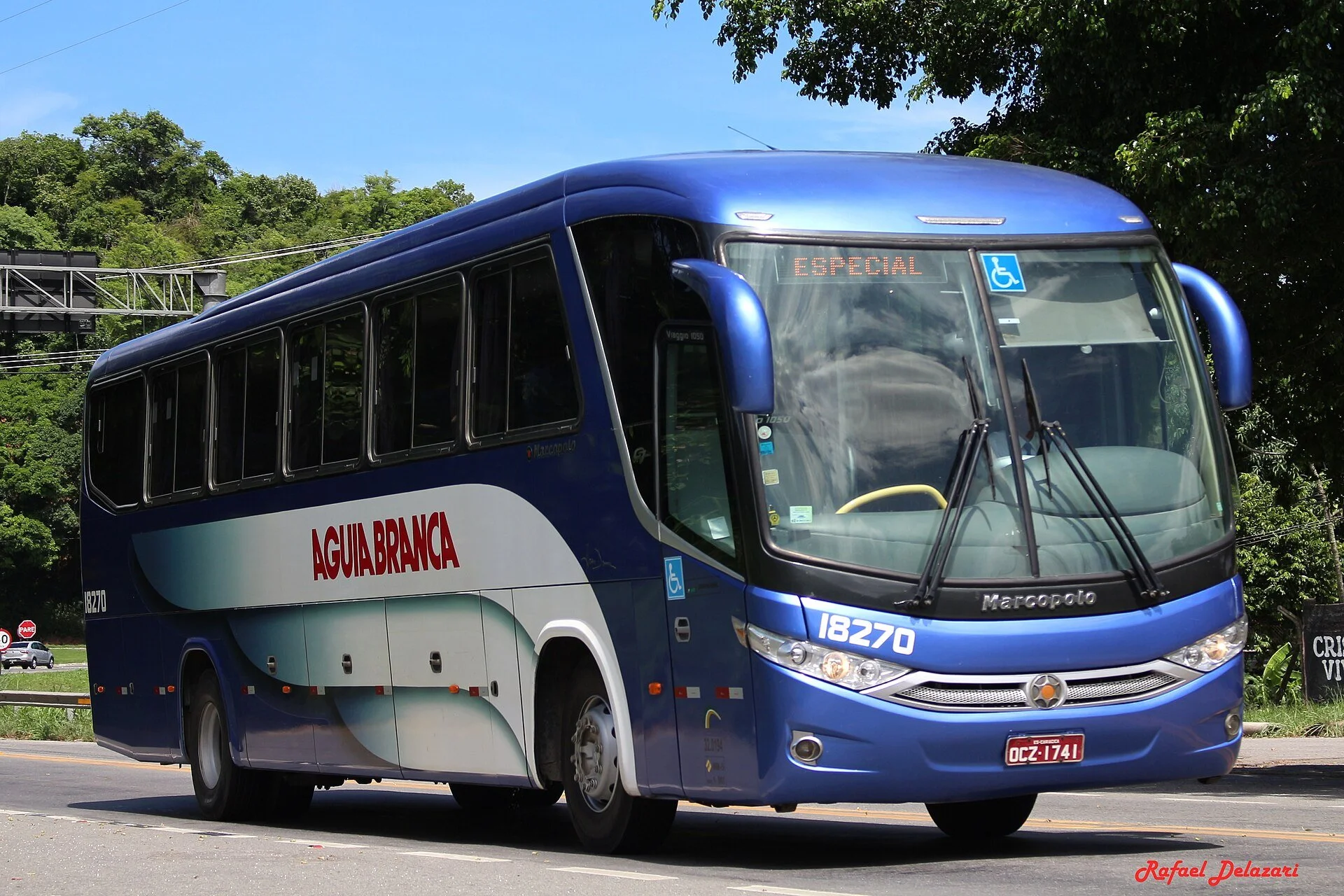
Photo by Rafael Delazari
Brazil’s bus network is extensive and surprisingly comfortable.
For overnight routes, look for:
“Executivo”
“Semi-leito”
“Leito” (reclining seats similar to business class on a plane)
Reputable bus companies vary by region, but two widely used ones include:
Viação Cometa – Strong in São Paulo and southern routes.
Águia Branca – Common in southeastern and northeastern Brazil.
To compare routes and book tickets in English before you arrive, I use Busbud, which aggregates major bus operators across Brazil and allows you to reserve seats in advance.
Booking ahead can remove a lot of uncertainty—especially on overnight routes.
Tip: Bus stations (rodoviárias) are major transport hubs—busy but organized. Keep your belongings close, as you would in any large transit station.
Booking Intercity Transport in Advance
If you prefer to have your transportation secured before you land, platforms like Bookaway make the process significantly easier.
Instead of navigating multiple Portuguese-language websites, Bookaway lets you compare buses, ferries, and private transfers in one place—in English—with transparent pricing and seat categories.
For longer routes or tight travel schedules, booking ahead can remove a lot of uncertainty.
Ride-Hailing Apps: Uber and 99
App-based rides are the easiest and most reliable way to get around major Brazilian cities.
Two main options dominate:

Download on App Store | Play Store

Download on App Store | Play Store
Most travelers default to Uber, but 99 is just as widely used, and in some cities, even more common.
What Is 99?
99 is a Brazilian ride-hailing app that allows you to book both private drivers and licensed taxis through the same platform. It operates in over 1,600 cities across Brazil and is often slightly cheaper than Uber depending on demand.
For locals, 99 and Uber are used almost interchangeably.
Can Tourists Use 99?
Yes. Tourists can use 99 without major issues.
You can:
Download it before arrival
Register with an international phone number
Add an international credit card
Payment generally works smoothly, though some travelers report that Uber’s interface feels slightly more seamless for foreign cards. Still, 99 is highly functional and reliable.
Safety Features
Like Uber, 99 provides:
Driver name and rating
Vehicle model and license plate
Real-time route tracking
Trip sharing with contacts
As anywhere, confirm the license plate and vehicle model before getting in.
In large cities, locals often prefer app-based rides over street taxis for transparency and route tracking.
When to Use 99 vs Uber
Use whichever shows:
Shorter wait time
Lower fare
Better availability
In some neighborhoods or smaller cities, one app may have more drivers than the other.
Having both installed gives you flexibility.
Practical Tips
Download both apps before departure.
Set up payment and confirm your card works.
Avoid standing on quiet streets with your phone out while waiting.
Make sure you have reliable mobile data.
App-based rides in Brazil are generally affordable, widely used, and a practical alternative to navigating public buses in unfamiliar neighborhoods.
Public Transportation in Brazil
Public transportation is reliable in major cities—and often much easier than travelers expect.
Metro Systems (São Paulo & Rio de Janeiro)
Major cities like São Paulo and Rio de Janeiro have clean, modern metro systems that are:
Affordable
Clearly signposted
Air-conditioned
Safe during daytime hours
In São Paulo especially, the metro is often faster than driving due to traffic.
Rush hour (7–9am and 5–7pm) can be extremely crowded, so if you’re traveling with luggage, avoid those windows.
Tickets can be purchased at station machines or counters. In some cities, you can use contactless payment directly at turnstiles. Otherwise, you may need a reloadable transit card.
City Buses
City buses operate extensively, especially in places without metro systems (like Salvador).
They are inexpensive but can be harder to navigate if you don’t speak Portuguese.
Important notes:
Some buses require exact change.
Some cities require a transit card for certain routes.
Bus stops may not always be clearly marked for visitors.
If you’re unsure, Uber or 99 may be simpler—especially at night.
Is Public Transport Safe?
During the day in central areas, yes—especially metros.
Basic precautions apply:
Keep bags zipped and in front of you.
Avoid empty train cars late at night.
Don’t use your phone openly near doors.
After 9–10pm, many travelers prefer ride-hailing apps instead of buses.
Navigation Tips
Google Maps works very well for transit directions in Brazil.
Before you leave Wi-Fi:
Download offline maps for your destination.
Screenshot your route if you’re unsure about signal.
When to Use Public Transport vs Ride Apps
Use public transport when:
You’re moving between major neighborhoods
You’re traveling during the day
You want to avoid traffic
Use Uber or 99 when:
It’s late
You’re carrying luggage
You’re unsure about bus routes
You’re traveling in unfamiliar neighborhoods
Renting a Car in Brazil

The Rodovia dos Imigrantes (SP-160), a major 45-mile highway that connects São Paulo with the coastal city of Santos and its surrounding beaches. (Photo by Larry LaRose)
In major cities like Rio de Janeiro, Salvador, or São Paulo, renting a car is usually unnecessary. Traffic is heavy, parking can be limited, and ride-hailing apps are often easier.
But if you’re exploring:
The Bahia coastline
Chapada Diamantina
The Pantanal
Smaller towns in Minas Gerais
Or rural stretches of the Northeast
…a car gives you flexibility that public transport simply can’t.
Brazil’s most reliable rental companies include:
Localiza
Movida
Unidas
To compare prices across these companies in English and review insurance coverage details clearly, I use DiscoverCars, which aggregates local and international providers in one place. It’s particularly helpful if you prefer having everything confirmed before arrival.
Important Things to Know About Driving in Brazil
1. International Driving Permit (IDP): Many rental agencies accept a valid U.S. or EU license for short stays, but some may request an International Driving Permit. It’s inexpensive and easy to obtain before departure, so bringing one adds peace of mind.
2. Automatic Cars Are Limited: Manual transmission vehicles are far more common and cheaper. If you need an automatic, reserve early—especially during high season.
3. Insurance Matters: Basic rental prices can look low, but make sure you understand collision and theft coverage. Brazil requires third-party liability coverage, but supplemental protection may be worth considering depending on where you’re driving.
4. Gas Stations Are Full Service: You don’t pump your own fuel. An attendant will do it for you. Simply tell them:
“Gasolina” (regular unleaded)
Or “Etanol” (ethanol — cheaper but less efficient)
Most rental companies will advise which fuel to use.
5. Road Conditions Vary: Highways between major cities are generally good. Rural or coastal roads can be uneven or poorly lit at night. Avoid driving long distances after dark in unfamiliar regions.
6. Tolls: Some highways have tolls (pedágios). Many rental cars come equipped with automatic toll transponders, but confirm this when picking up your vehicle.
When Renting Makes the Most Sense
Rent a car if:
You’re staying outside major cities
You’re visiting beaches or national parks
You want schedule flexibility
Skip the car if:
You’re staying within Rio, São Paulo, or Salvador’s urban core
You’re only in Brazil for a short city break
A Quick Reality Check on Distance
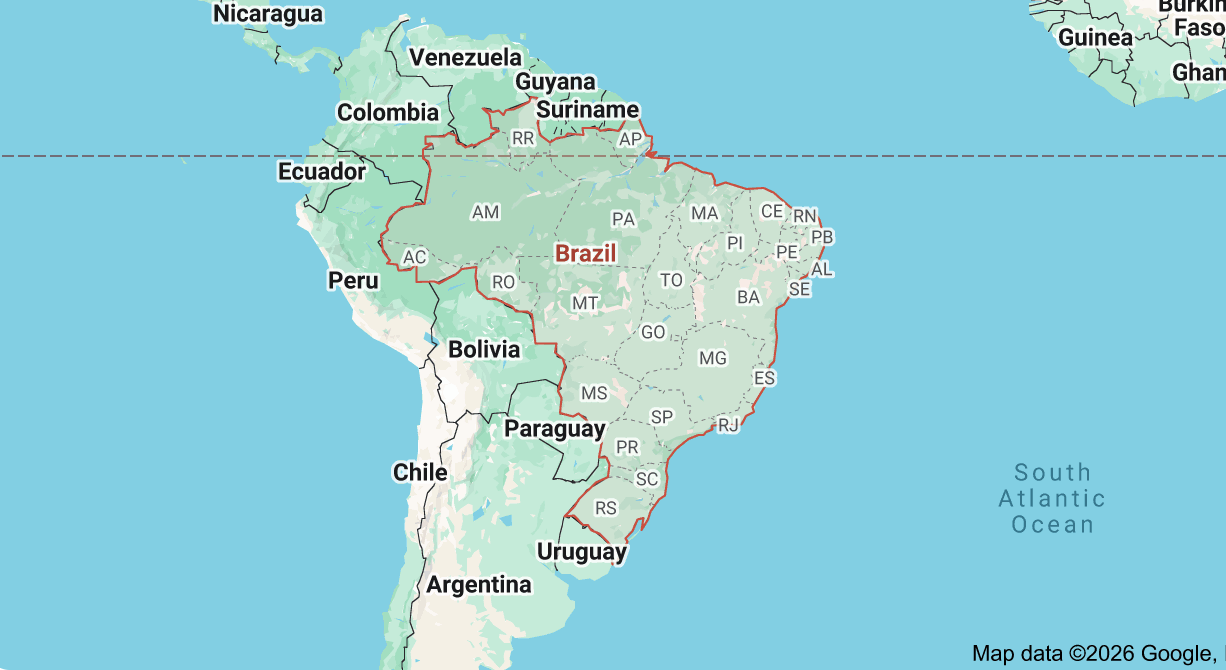
Brazil is continental in scale. It’s the fifth-largest country in the world—and distances can surprise first-time visitors.
Rio de Janeiro to Salvador? About a 2-hour flight.
São Paulo to Manaus? Roughly 4 hours by plane.
By bus, those same routes can take 24 hours or more.
It’s easy to underestimate how far apart destinations are when looking at a map.
If you’re working with limited time, domestic flights are often worth the cost. If you’re slow traveling and comfortable with overnight buses, they’re a viable—and sometimes comfortable—alternative.
The key is planning realistically. Brazil rewards depth more than distance.
Is Brazil Safe for Tourists?
This is the question everyone asks.
Brazil requires awareness—not fear.
In major cities:
Avoid displaying expensive phones openly on empty streets.
Don’t wear flashy jewelry.
Use Uber instead of hailing taxis at night.
Avoid deserted beaches after dark.
Violent crime rarely targets tourists specifically. Opportunistic theft is more common.
Stay aware. Stay calm. You’ll likely feel the warmth of Brazil far more than the risk.
Cultural Realities That May Surprise You
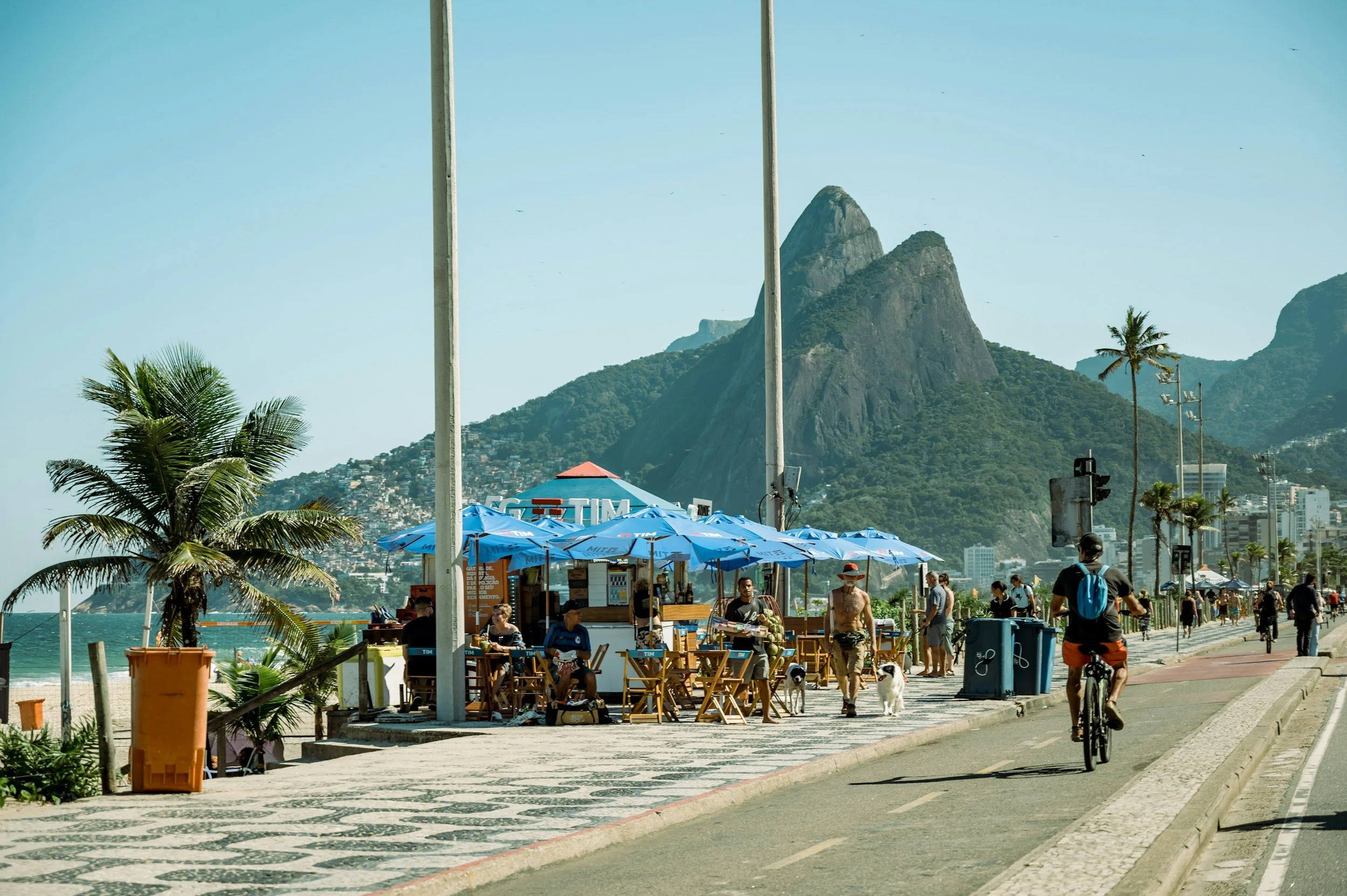
Brazil operates on a different rhythm. Here are some of the cultural cues to be aware of:
Time is more fluid than rigid. A dinner reservation at 8pm might mean people arrive at 8:15. A tour scheduled for 9am may begin a few minutes later. It’s rarely careless—just less tightly timed than some travelers expect.
Warmth and physical closeness are normal. Greetings between women—and often between men and women—frequently involve a light cheek-to-cheek touch with an air kiss. The number of kisses varies by region and context. In some cities it’s one, in others two. In parts of Bahia, three is common among friends. If you’re unsure, simply follow the other person’s lead.
Hospitality is generous. Brazilians are often quick to help if you’re lost, confused, or attempting Portuguese—even imperfectly.
Conversations are expressive. People speak with their hands, stand closer than you may be used to, and make sustained eye contact.
And social life happens late. Dinner rarely starts before 8pm. Bars and beach culture stretch into the evening.
Health & Practical Considerations
Brazil’s day-to-day logistics are generally straightforward, but a few details are worth knowing in advance.
Pharmacies (farmácias): Pharmacies are excellent and widely available. Many are open late, and pharmacists can often help with minor issues without a doctor’s visit. Basic medications are easy to find, though brand names may differ from what you’re used to.
Sunscreen: Sunscreen is significantly more expensive than in the U.S. or Europe, especially in beach destinations. Bring enough for your trip.
Water: In most cities, tap water is treated but not typically consumed directly. Hotels and apartments often provide filtered water, and bottled water is inexpensive and widely available.
Prescription medications: Bring any medications you rely on in their original packaging, along with a copy of your prescription if possible. While pharmacies are well stocked, specific brands may not be available.
Electricity: Brazil uses Type N and Type C plugs. Voltage varies by region—some cities use 127V, others 220V, and occasionally both within the same state. Most modern electronics (phones, laptops) automatically convert voltage, but check hair dryers and styling tools before plugging in.
Mosquitoes: In tropical and coastal regions, mosquito repellent is useful year-round. If you’re visiting areas like the Amazon or Pantanal, stronger repellent is essential.
Do You Need Travel Insurance for Brazil?
Brazil has excellent private hospitals in major cities and solid pharmacy access nationwide. But medical care, domestic flight disruptions, or unexpected trip changes can become expensive quickly without coverage.
If you’re visiting remote areas (like the Pantanal or Chapada Diamantina), planning adventure activities, or taking multiple domestic flights, travel insurance is worth considering.
There are several reputable options depending on your travel style:
World Nomads – Popular for adventure activities and flexible trip extensions.
SafetyWing – Designed for longer stays and remote workers.
Squaremouth – A comparison platform that lets you review multiple providers at once.
The right policy depends on how you’re traveling. But having coverage in place before departure can provide peace of mind—especially in a country as geographically expansive as Brazil.
What to Pack for Brazil (That You Might Forget)
Sunscreen: Sunscreen is significantly more expensive in Brazil, particularly in beach destinations. Bring enough for your trip, especially if you prefer reef-safe or mineral-based formulas. If you need to restock before departure, I personally travel with mineral options from brands like Badger or Raw Elements.
Power Adapter (Type N or Type C): Brazil primarily uses Type N and Type C plugs. Voltage varies by region (127V or 220V), and sometimes even within the same state. Most phones and laptops convert automatically, but check hair tools carefully. A universal adapter is the simplest long-term solution if you travel frequently.
Lightweight Rain Layer: Even during dry season, tropical showers are common in many parts of Brazil. A packable rain jacket, poncho, or lightweight shell is more useful than you might expect.
Mosquito Repellent: In coastal, jungle, or wetland regions, mosquito protection is essential. Look for repellents containing 20–50% DEET or 20% Picaridin. The brand Exposis Extrême (Picaridin) is widely available locally. If you prefer a plant-based option, oil of lemon eucalyptus can also be effective.
A Small Crossbody or Secure Day Bag: Not because Brazil is uniquely unsafe—but because urban awareness is part of daily life in major cities. A secure, close-to-body bag helps you move confidently in crowded areas.
A Backup Credit Card (and ATM Card): Cards occasionally get flagged for international transactions. Having a backup prevents unnecessary stress—especially if your primary card gets declined at a hotel check-in or ATM.
Before You Board Your Flight to Brazil (Tips + Checklist)
I’ve found that the smoother the first hour goes, the smoother the entire trip feels. Here’s what to have ready before you even board your flight to Brazil:
Download Before Departure
WhatsApp (essential for communication in Brazil)
Google Translate (download Portuguese for offline use)
Google Maps (download your destination offline)
Airport Wi-Fi exists—but it’s rarely fast. Assume you’ll need your own data.
Screenshot or Save Offline
Your accommodation address
Your return or onward flight confirmation
Your passport ID page
Your visa confirmation (if required)
Even if everything is digital, having offline access prevents stress if your connection drops.
If a Visa Is Required
If your nationality requires an e-visa for Brazil, here’s what to know:
Apply well in advance (processing times vary). Mine took 3 days three days to process, but don’t count on that.
Fees, validity periods, and length of stay depend on your nationality. Always confirm current requirements through Brazil’s official government website before applying.
You’ll receive a digital approval document by email.
Your visa is electronically linked to your passport—but carry two printed copies of your approval confirmation.
While many airports operate fully digitally, printed documentation adds a layer of security if:
Airline staff request proof before boarding
Immigration systems experience technical issues
You’re asked for documentation during onward travel
It’s rarely required—but it eliminates friction.
Know Before You Exit the Airport
How you’re getting from the airport (Uber pickup zone? Pre-booked transfer?)
The name of your neighborhood
The general direction of your accommodation (north, beachside, central, etc.)
Brazil’s emergency numbers:
190 – Police
192 – Ambulance
193 – Fire
Most arrivals in Brazil are straightforward. Immigration lines can vary in length, but the process is generally smooth if your documents are in order.
Brazil Arrival Checklist (Quick Recap)
If you’re reading this the night before departure, this is the checklist to run through:
✓ Confirm your visa status and print approval (if required)
✓ Download WhatsApp and your ride-hailing app
✓ Secure your data plan (SIM or eSIM)
✓ Save your accommodation address offline
✓ Confirm your airport transfer plan
✓ Check plug type and voltage for your destination
✓ Notify your bank if required
The Bottom Line
Brazil can feel overwhelming from afar.
In reality, it’s organized, connected, and surprisingly intuitive once you understand the basics.
Get your logistics in place.
Download the apps.
Confirm your arrival plan.
Then let the rest unfold.
Help Me Keep This Guide Accurate
Travel information changes. Visa policies shift. Airport setups evolve. SIM card kiosks move.
If you land in Brazil and notice something different from what I’ve shared here, I’d genuinely love to know. You can send me an email and let me know what’s changed.
My goal is for this guide to remain as accurate and useful as possible—not just for me, but for everyone who reads it next.
Related Reading
If you’re headed to Bahia specifically, you may also want to read:

How This Work Is Supported
If this guide helped you feel more prepared, one of the simplest ways to support my work is by booking your hotels, tours, transportation, or travel essentials through the affiliate links listed on my Travel Resources page.
It doesn’t cost you anything extra—but it sends a small commission my way, which allows me to keep researching, updating, and creating thoughtful travel content like this.
Thank you for being here—and for traveling with intention.
Safe travels—and I hope Brazil meets you well.
What to Read Next