Vale do Pati Trek: What It’s Really Like to Trek Through Brazil’s Most Beautiful Valley
Disclaimer: This post contains affiliate links. If you book a trek, hotel, or experience through these links, I may earn a small commission at no extra cost to you. Please note that I fully paid for my own tour with PlanetaEXO, and all opinions shared here are entirely my own, honest experiences.
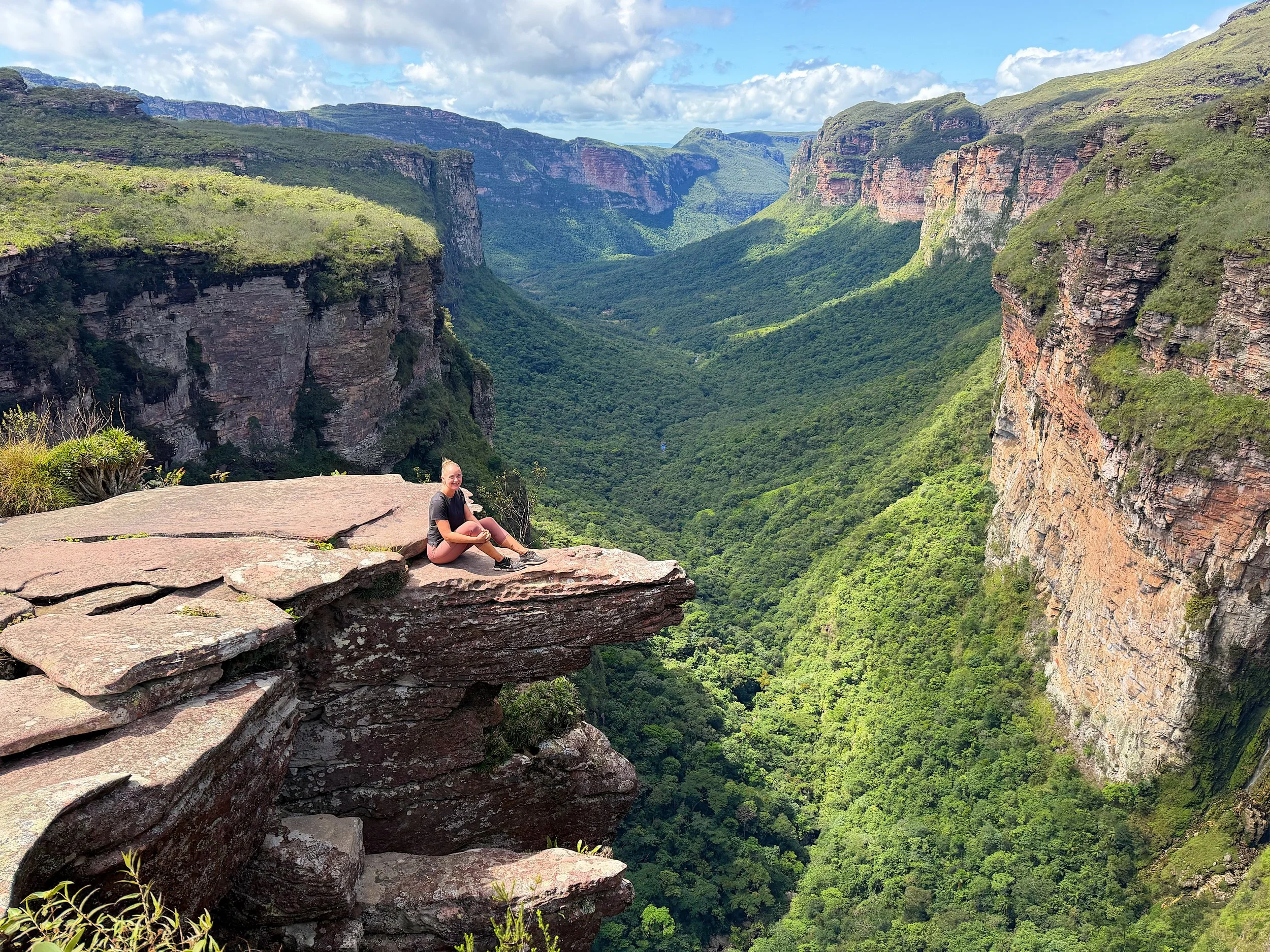
The first thing that surprised me about the Vale do Pati trek wasn't the peaks that resembled medieval fortresses and gap-toothed grins, the precarious tongues of rock jutting off their towering faces like a Nordic fjord, or even the reality of 4,500 feet of elevation gain across four days.
For me, it was the people.
Specifically, the small group of fellow trekkers I was set to spend the next four days hiking alongside, the local families I met who have called this valley home for generations, and, most impactfully of all, our guide Daniel who brought all of it together, slowly revealing to me and my trail mates the valley’s secrets, stories, and struggles as he led us through this surreal landscape mile after mile.
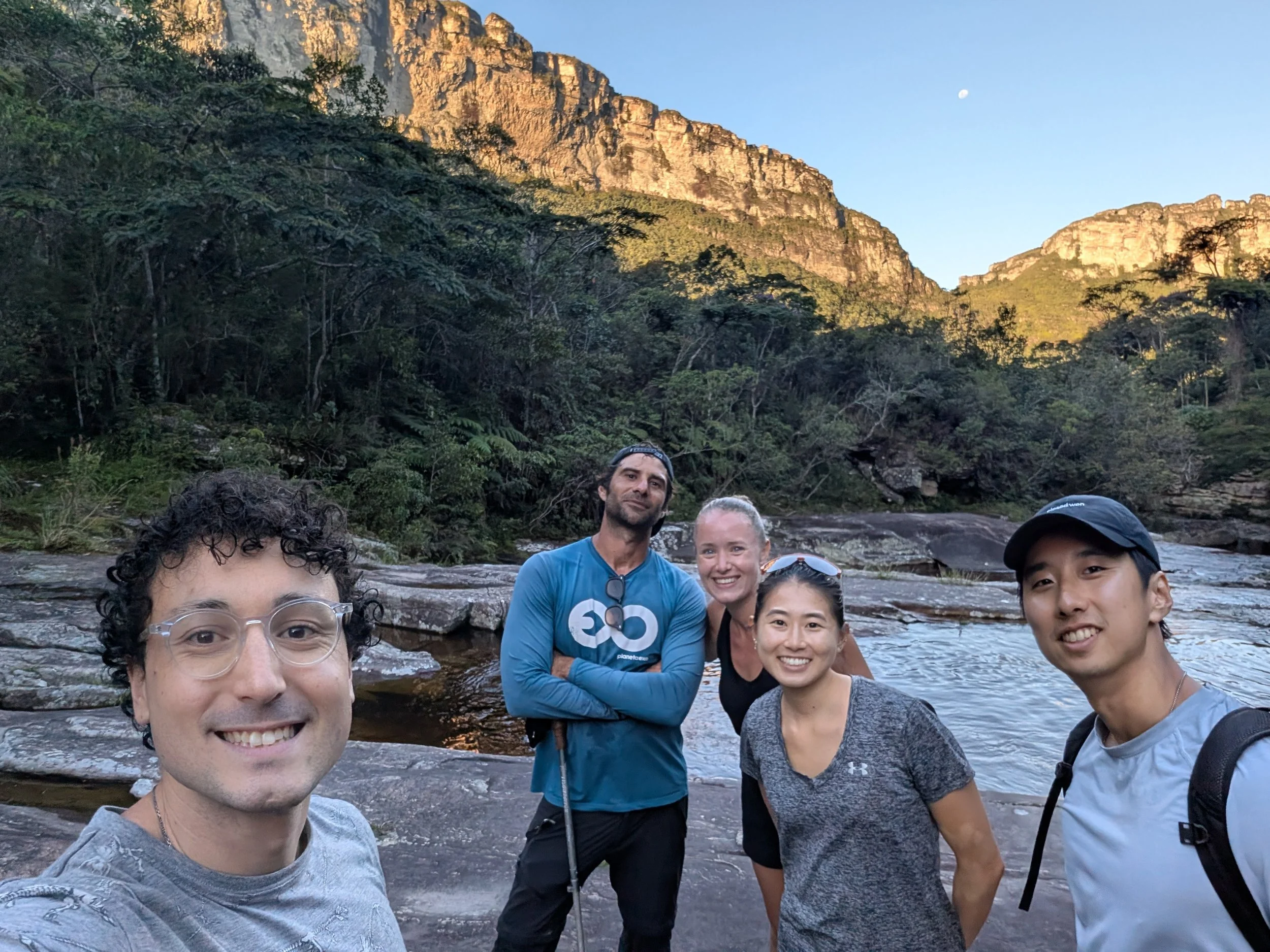
After hearing about the Vale do Pati trek and Chapada Diamantina National Park almost constantly since landing in Salvador a month earlier, it didn’t take long for me to add it to my own itinerary—despite the fact that my luggage was entirely full of surf gear, not trekking gear.
I chose to book my last minute trek through PlanetaEXO, an adventure tourism agency with a reputation for prioritizing local communities and conservation. I knew I could trust a company like that to guide me safely and responsibly through a wilderness I didn’t even know existed before this trip.
My guide Daniel, a longtime local resident, backcountry guide, proud conservationist, and volunteer firefighter, was a master at layering story after story into our trek experience. His steady narrative unraveled the valley’s geology, ecology, history, and pieces of his own story for us—transforming what could have just been a standard multi-day guided group trek into this immersive cultural, ecological, and personal journey.
Now, let me be clear: the scenery in the Vale do Pati is insanely epic on its own, truly one of the most spectacular places I have ever trekked. It’s this setting, after all, that does the job through pictures of drawing you to the trail to begin with and then, once there, glues your jaw to the floor every single step.
There really are towering quartzite mesas that rise like giants from the wildflower-strewn valley floor. Waterfalls really do plunge over thousand-foot-tall cliffs and dissolve into rainbows. And the rivers really are clean enough to take a drink from, while the icy swimming holes downstream really will melt away your muscle soreness.
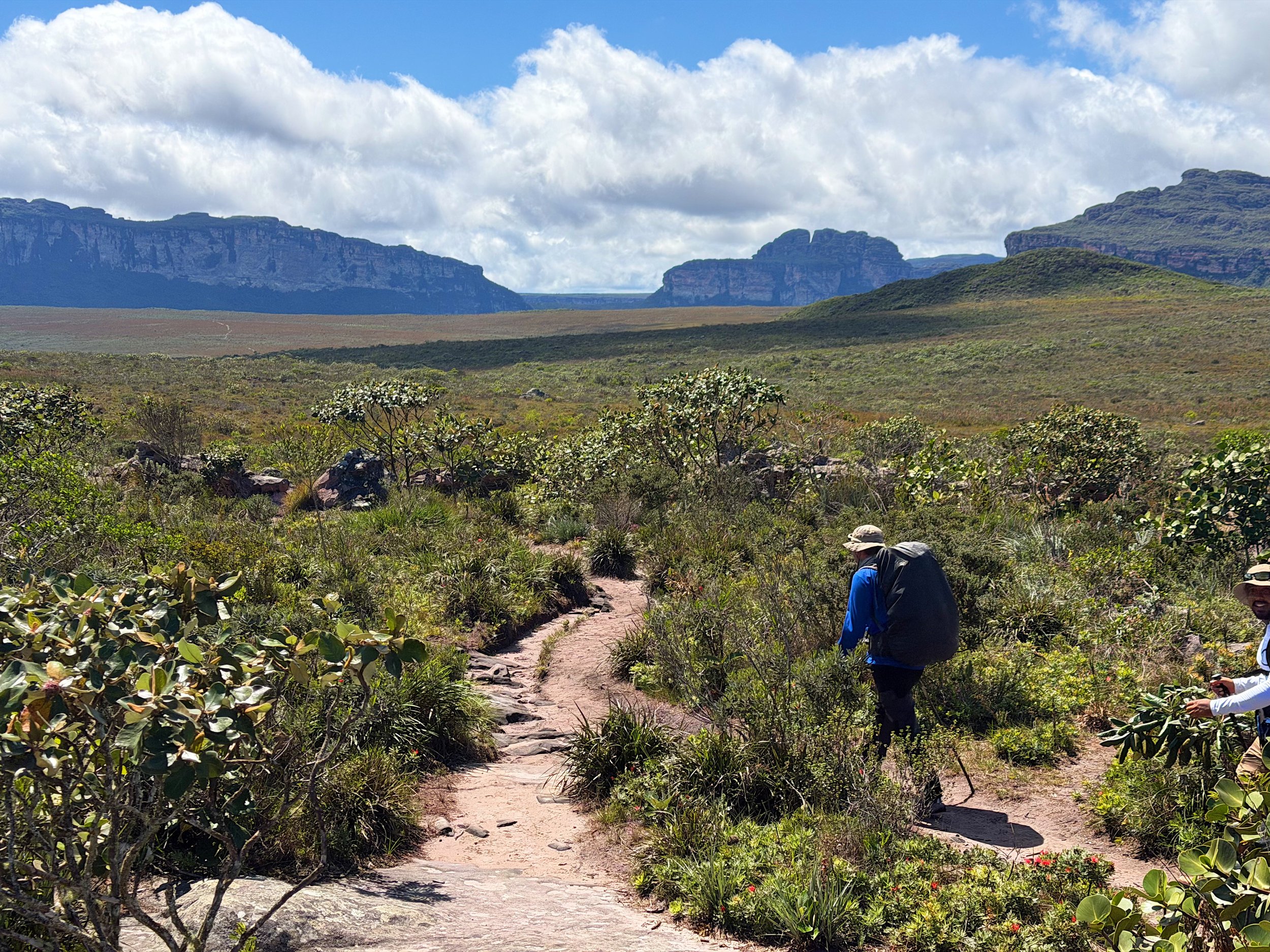
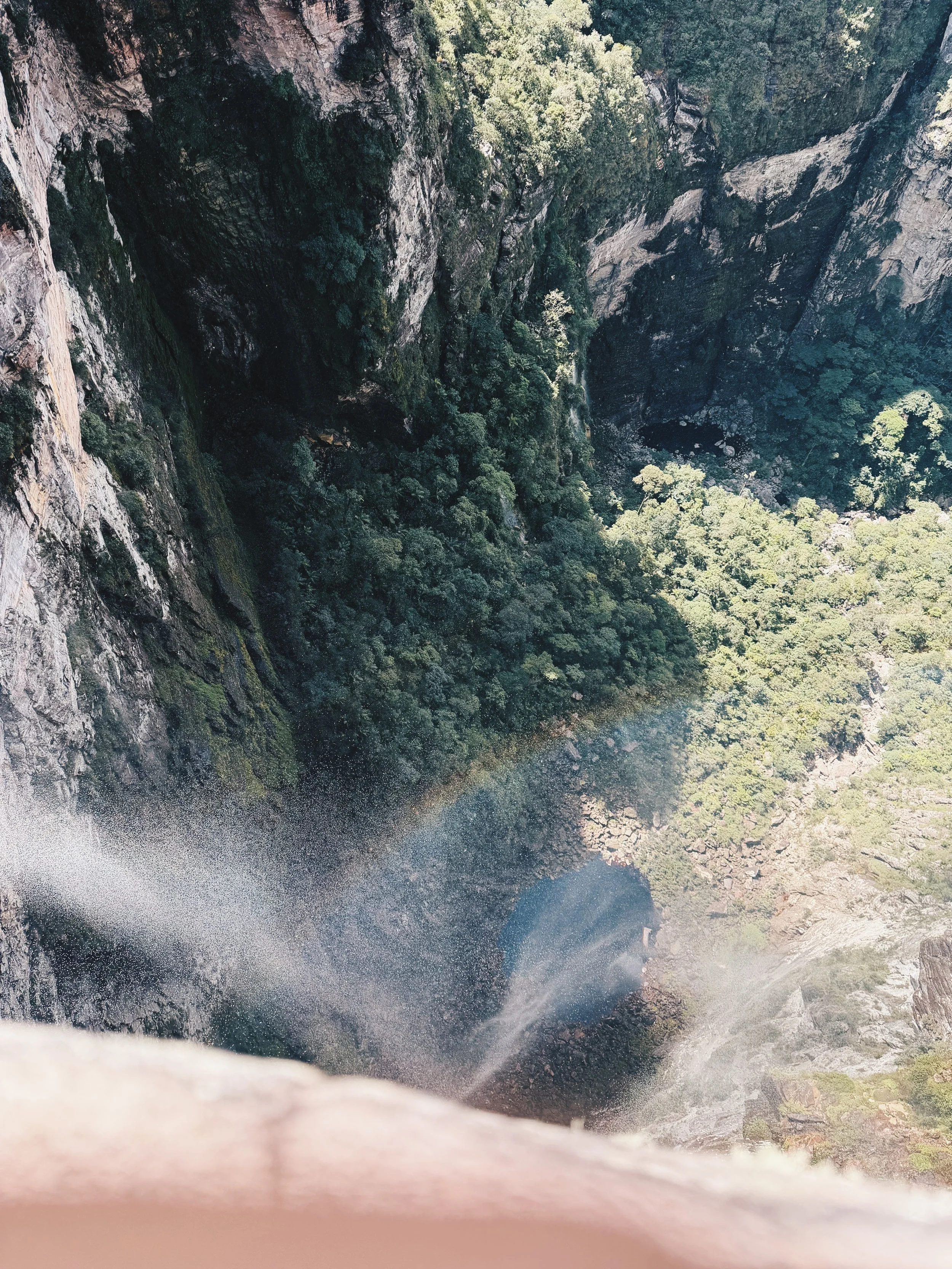
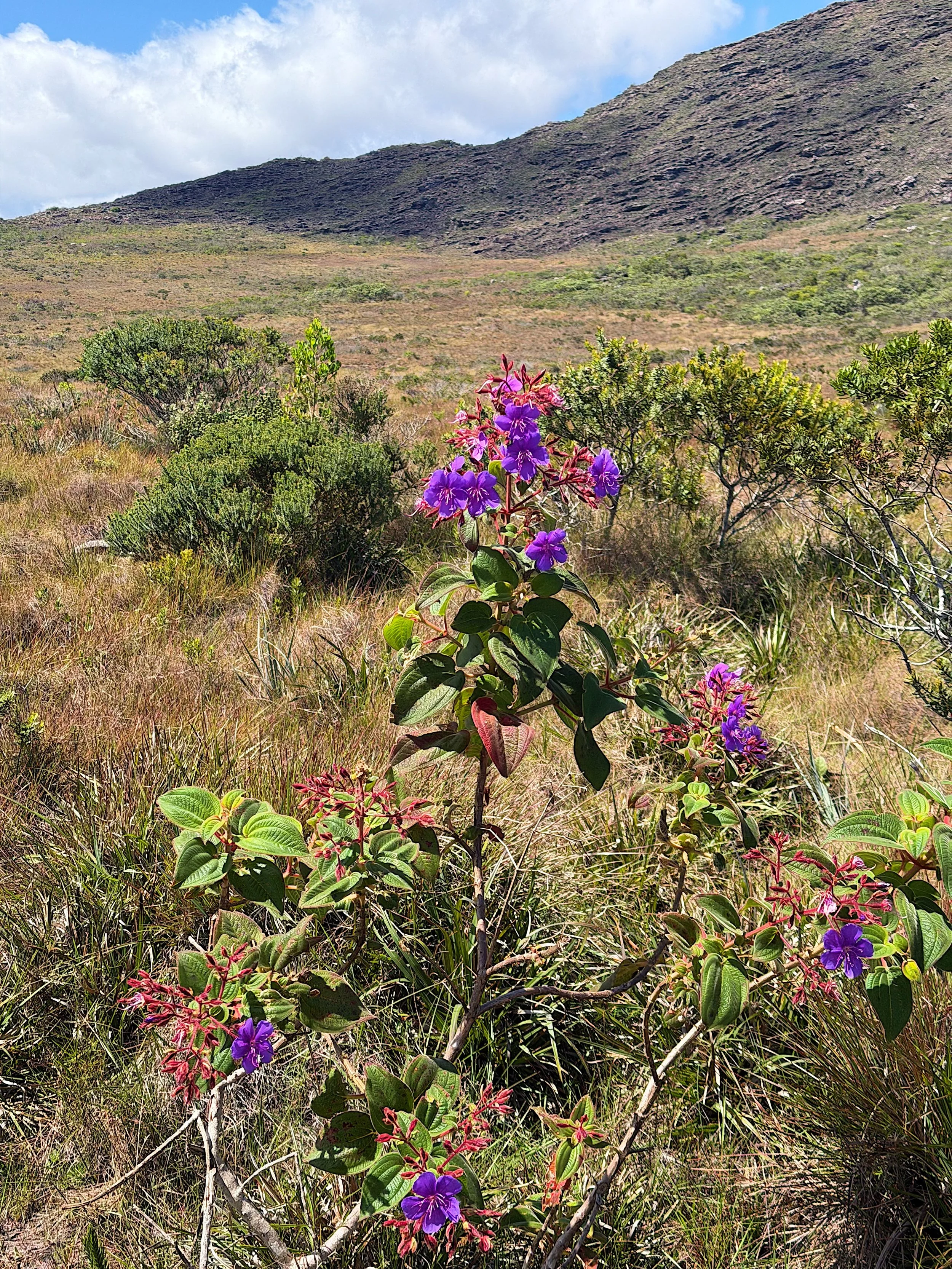
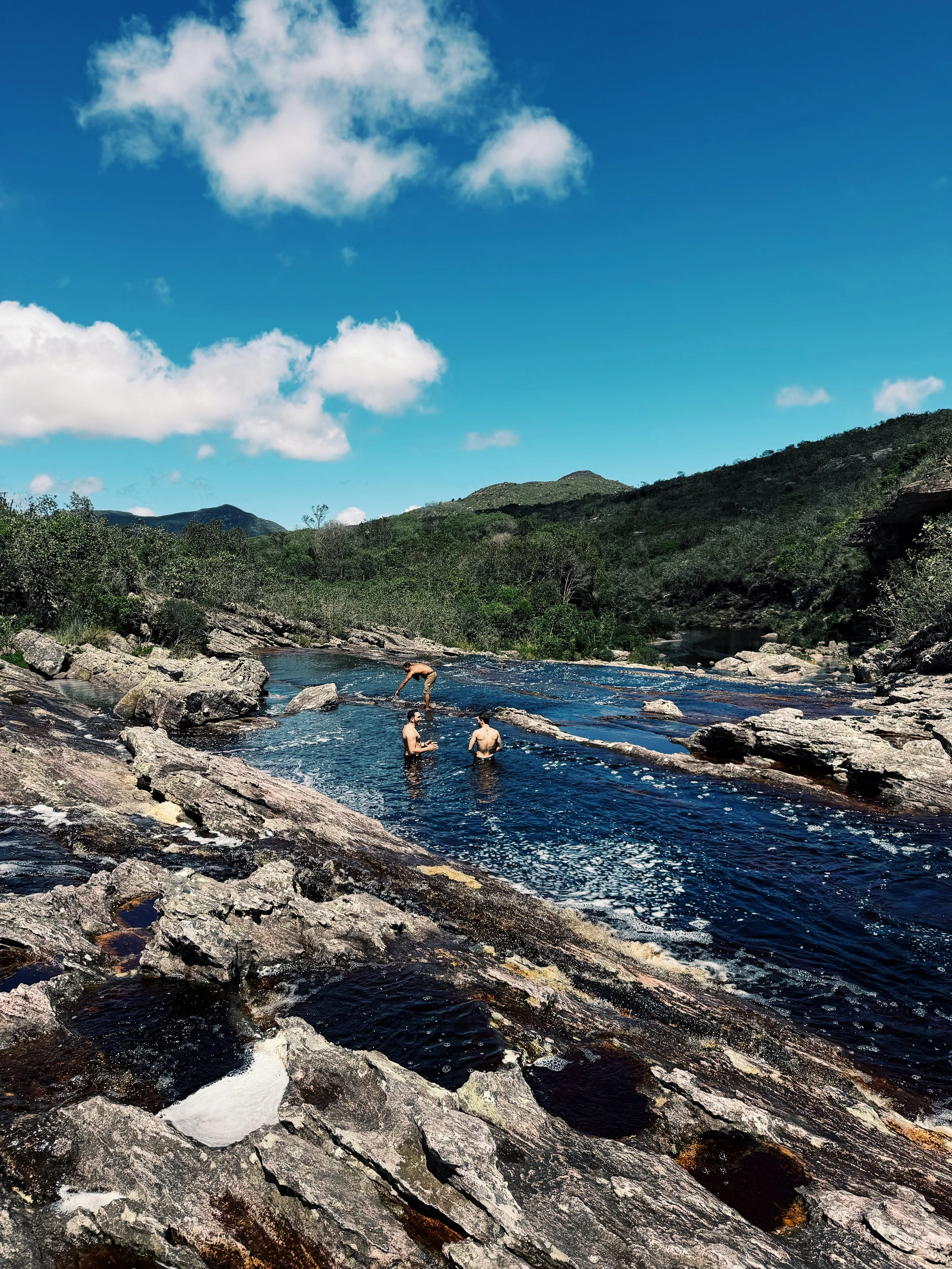
As much as these scenes and these realities drew me to this experience, what’s stayed with me now that it’s done—what became the piece that made all the difference—were the parts that can’t be photographed or planned for. The quieter moments tucked inside these inviting streams and looking out over these misty rainbows.
Things like the four river rocks that served as seats to me and my group while we peeled back another layer of one another in conversation at the end of a hard day’s trek. The smiles of gratitude exchanged with my hosts at dinnertime when more food than should be possible in such a remote valley appeared on our table.
There were many moments of laughing so hard I cried and many more that showed me the impact tourism is having on this place, both the transformative economic shifts and the ones that bring up new questions, like how a place this fragile can remain protected as families continue to live here and tourists continue to visit.
The further our little group trekked, the more the Vale do Pati stopped feeling like just a trek in Brazil to check off and say you did, and instead started feeling like a living, breathing piece of Brazil that was becoming the heart of my entire three-month trip—a place with a deep and layered history, a vital network of local guides who genuinely care about it, and a highly delicate future I now want to play a part in protecting myself.
If you are considering tackling this bucket-list Brazil trek, just remember that it’s more than that. This comprehensive guide will help you navigate the logistics (getting there, choosing your length of trek, and more). But more than that, I hope it gives you a true glimpse of what it is actually like to spend four days trekking through one of Brazil's most extraordinary landscapes and communities—one step, one story, and one day on the trail at a time.
Reader Perk: In case this post inspires you to sign up for your own adventure through the valley, you can use code NOMAPSAMBER at checkout to get 5% off any Vale do Pati itinerary booked through PlanetaEXO.
Vale do Pati Trek: Fast Facts & Quick Reference
Total Distance: ~45 km (28 miles) for a standard 4-day loop itinerary.
Trek Duration: 3 to 5 days (4 days is highly recommended).
Physical Difficulty: Moderate to Strenuous (Requires steep rocky climbs and tree root scrambling).
Trailheads: Guiné (most common for loops) or Vale do Capão / Bomba (for crossings).
National Park Entry Fee: None. Entry to Chapada Diamantina National Park is completely free.
Accommodation Style: Rustic family-run homesteads (shared and private room options, cold showers, zero Wi-Fi/signal, delicious home-cooked and buffet-style dinners and breakfasts each day).
Best Booking Method: All-inclusive guided treks via PlanetaEXO - Use my code NOMAPSAMBER for 5% off your booking.
How to Get There: Bus or flight from Salvador to Lençóis—check Busbud or Booking.com Flights for your best bus and/or flight options.
Where to Stay Before & After Your Trek: Pousada Vila Serrano in Lençóis - the most relaxing and restorative spot you could stay with a swimming pool, complimentary breakfast, yoga shala, reading nook, and rooms with private balconies and hammocks.
What is the Vale do Pati Trek?
Vale do Pati lies deep within Chapada Diamantina National Park in the interior of Bahia, Brazil. Surrounded by towering quartz plateaus, rushing rivers, hidden caves, and dense Atlantic Forest, this isolated valley is widely considered one of South America’s most spectacular trekking destinations.
There is no single, fixed Vale do Pati trail. Instead, it is an intricate, unmarked network of paths. Local guides weave these trails into customized itineraries that connect panoramic viewpoints, swimming holes, mountain passes, and family-run homestays. While routes can be customized, treks typically last between three and five days.
I chose a four-day itinerary, which offered the perfect amount of time to settle into the rhythm of the valley and experience its shifting landscapes without committing to an exhausting expedition. Each day brought a new combination of steep mountain climbs, technical rocky descents, river crossings, and wild swimming stops, followed by nights spent in simple homesteads deep within the valley floor.
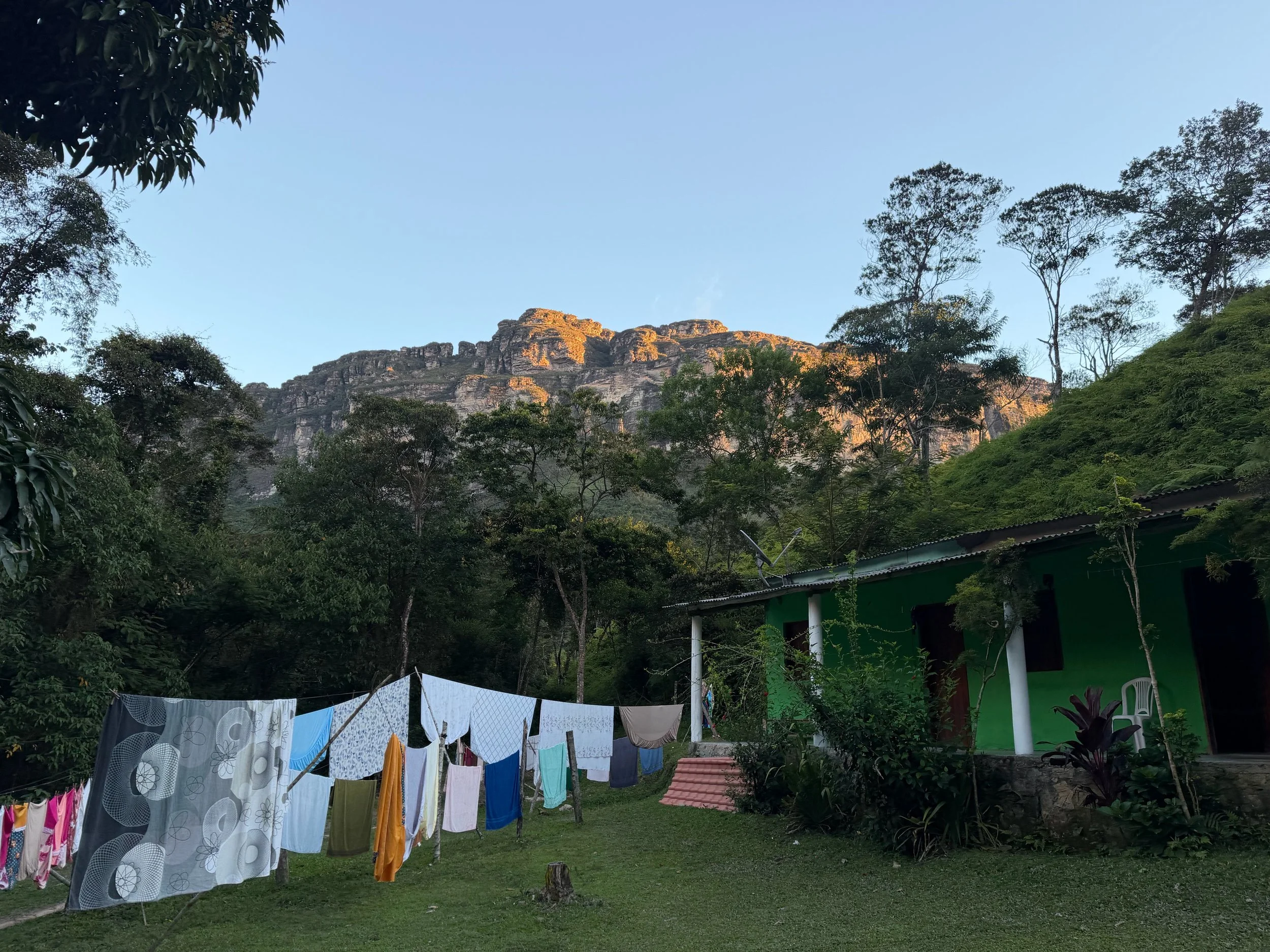
This unique homestay system is the defining feature of the Vale do Pati experience. Because locals provide a bed and cook hearty, traditional meals, the trek is logistically accessible—you do not need to haul tents, sleeping pads, or days worth of food. However, logistically accessible does not mean physically effortless. The terrain is intensely rugged, exposed to the tropical sun, and highly demanding, especially during the long climbs up loose rock.
More importantly, these homes are not commercial eco-lodges dropped along a scenic trekking route. They belong to traditional families whose modern history, land rights struggle with the national park, and resilient hospitality are utterly inseparable from what the Vale do Pati trek is today.
The History of the Vale do Pati
It's impossible to fully appreciate the Vale do Pati without understanding the history of the people who shaped it, so here’s a quick primer.
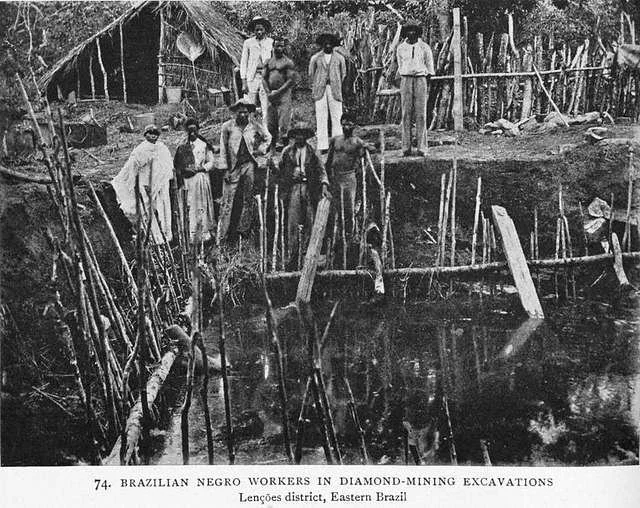
Long before it became one of Brazil's most celebrated trekking destinations, the valley was forged by waves of economic migration. In the 1840s, a massive diamond rush flooded Chapada Diamantina with prospectors (garimpeiros), who carved out the very trails hikers walk today. When the diamond boom eventually slowed, the region transitioned into a major hub for coffee cultivation in the late 19th and early 20th centuries. Isolated farming families built deep roots here, relying on mule trains to transport crops over the treacherous mountain passes.
But as Brazil's coffee industry shifted elsewhere, economic opportunities dwindled, and many families left the valley. The remaining community faced its biggest challenge in 1985 with the creation of Chapada Diamantina National Park in the very place they called home. Strict environmental protections limited traditional farming practices for the good of the ecosystem and triggered decades of land-use friction with the locals who refused to leave, forcing them to rethink how they could survive while respecting the national park they now lived in.
Tourism became the solution.
Instead of leaving, resilient families (with the help of many of the guides you see leading tourists through the valley today) transformed their generations-old homesteads into the rustic lodges that make multi-day treks through the Vale do Pati possible. Others, with their newfound source of steady income, relocated to nearby gateway villages like Guiné but continue to either hire staff or return themselves to host hikers during the trekking season in their former homes.
Today, hiking the Vale do Pati isn't just a physical journey through an extraordinary landscape; it is a direct act of cultural preservation. Every shared meal and overnight stay provides vital income to the families keeping this community alive. However, this balance remains delicate. As tourism grows, the valley faces new modern pressures—from managing waste and water resources to preserving its authentic rural identity against commercialization—proving that the story of Vale do Pati is still actively being written.
Why I Chose a Four-Day Vale do Pati Trek With PlanetaEXO
Vale do Pati treks can be shaped in several ways, which means choosing your guide and itinerary matters almost as much as choosing to do the trek itself.
As mentioned, I booked a four-day route through PlanetaEXO, which used the historic town of Lençóis as the pick-up and drop-off point. Their all-inclusive itinerary covered the 2-hour overland transfers to and from the remote trailhead outside Guiné, certified guiding, all trail meals, and homestay accommodations inside the valley. This setup meant there was very little I needed to organize myself beyond showing up in Lençóis with the right gear.
Four days felt like the ideal sweet spot for me. It was long enough to move past the feeling of a standard day hike, settle into the rhythm of trail life, and witness how drastically the landscape changes from one corner of the valley to the next. At the same time, it fit perfectly into my broader Brazil travel itinerary.
That said, Vale do Pati routes are never entirely standardized. Itineraries frequently shift due to weather, sudden trail conditions, group physical ability, homestay booking availability, or temporary park closures. Certain caves, waterfalls, and steep passes can become inaccessible overnight if local authorities or guides deem the river crossings or slick rock unsafe.
Because of this volatility, I highly recommend avoiding agencies that sell treks based solely on a rigid checklist of named attractions. The quality of your guide, the pacing of the route, and the cultural context they provide will shape your experience far more than whether you check off every single viewpoint.
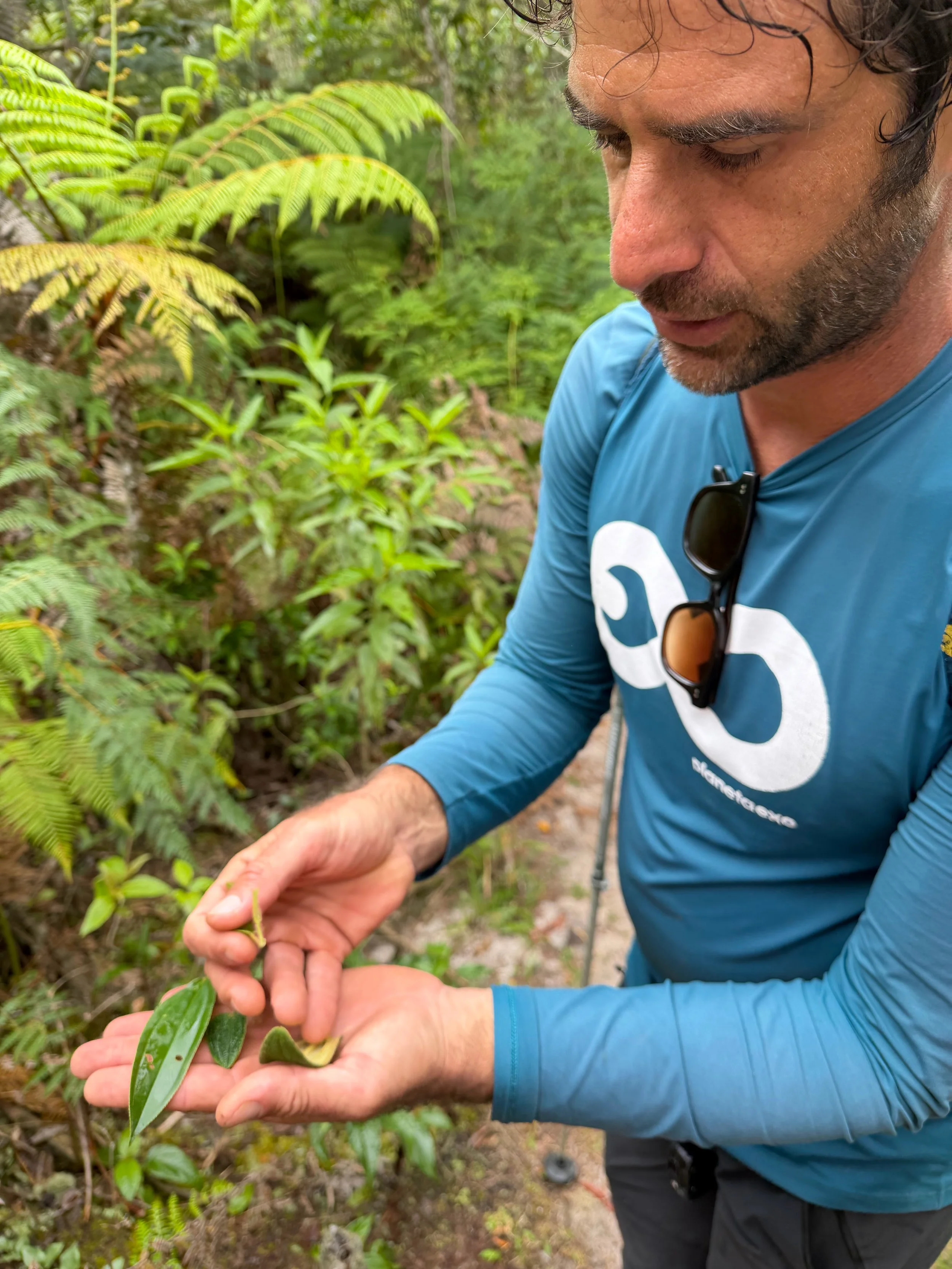
Our guide Daniel did far more than simply lead us from one homestead to the next. As we hiked, he unraveled the valley’s complex layers—its unique botany, water systems, conservation battles, and tourism history. He also spoke openly about the delicate tightrope local guides walk between supporting the resident families and cooperating with the national park authorities.
This deep contextual insight became the most valuable element of my trek—and it was a layer of appreciation I noticed many other trekking groups were missing. Without Daniel, the Vale do Pati would still have been visually stunning. But I would have understood very little about the living, breathing community and ecosystem I was walking through.
Is Four Days Enough for Vale do Pati?
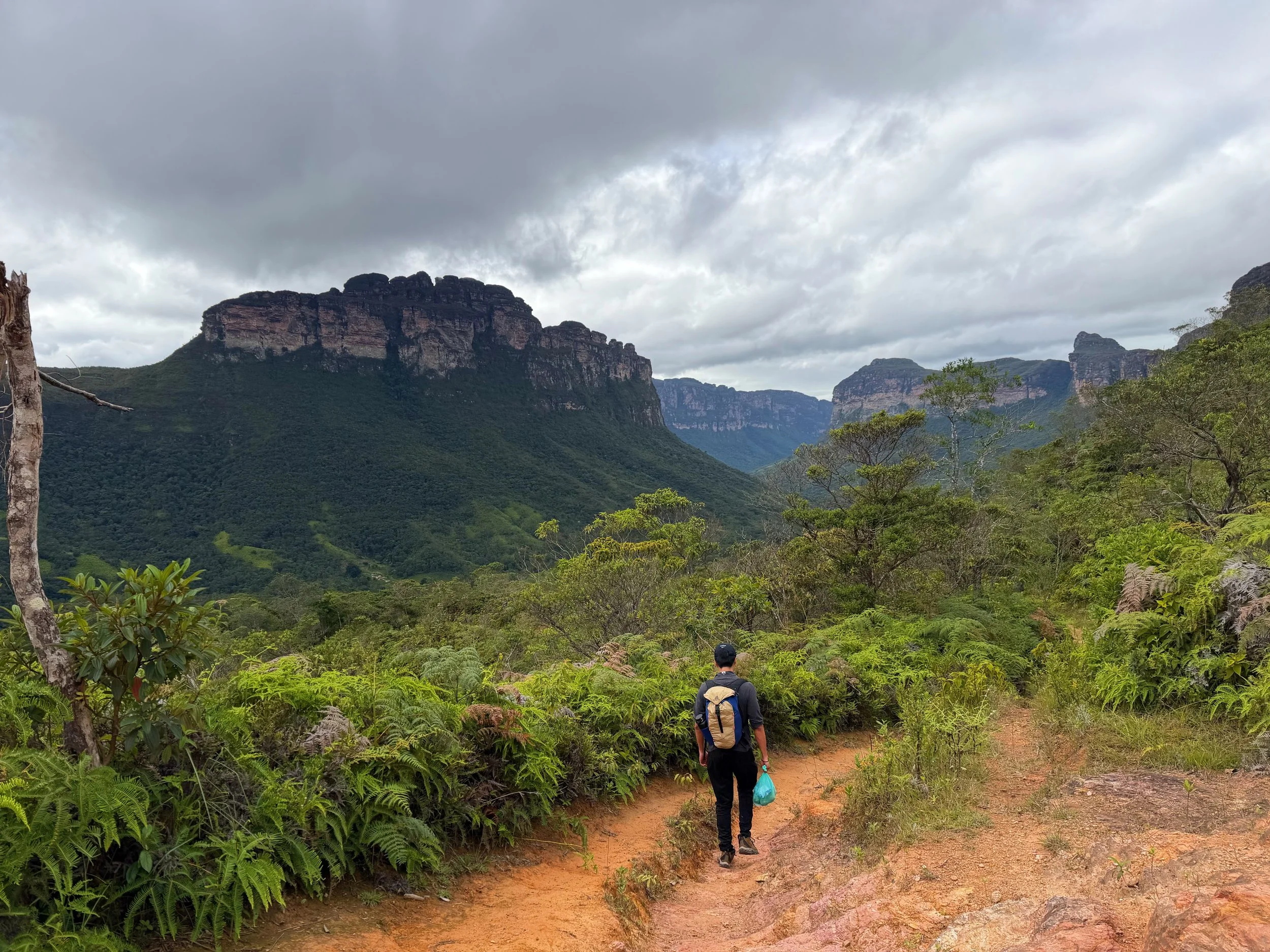
Four days gave me a meaningful introduction to the valley, but it was by no means exhaustive.
The region is massive. There are far more interlocking trails, hidden waterfalls, and remote homesteads than any single itinerary can responsibly squeeze in. A longer five- or six-day trek allows for a slower physical pace, additional side trips, or exploration into the most isolated northern pockets of the valley. Conversely, a shorter three-day route still delivers the core homestay experience, but the hiking schedule will feel heavily compressed.
For most travelers who want the true immersion of a multi-day trek without dedicating their entire Brazil vacation to Chapada Diamantina, four days is the strongest choice. It gives you the physical challenge, the homestay camaraderie, and the daily rhythm of the valley, while still leaving you a day or two to explore Lençóis before or after the trek (which is an absolute must, might I add).
Ultimately, the question isn't whether four days is objectively enough, but what style of travel you prefer:
Choose 3 Days if you are short on time and want a "greatest hits" loop (assuming weather and conditions allow).
Choose 4 Days for the ideal balance of physical challenge, major landmarks, and cultural immersion.
Choose 5+ Days if you want to move deeply into remote sectors, linger at swimming holes, and take dedicated rest days.
For me, four days was exactly right—leaving me thoroughly tired, incredibly impressed, and deeply curious about a valley I had only just begun to understand.
Ready to book your perfect itinerary?
Once you've figured out which timeline fits your travel style, I highly recommend checking out PlanetaEXO’s routes. Because I had such an incredible experience with them and loved their focus on supporting the valley's local families, I teamed up with them to secure a little perk for my readers. You can use the discount code NOMAPSAMBER at checkout to save 5% off your entire booking!
Explore PlanetaEXO's 3, 4, and 5+ Day Vale do Pati Treks
What It's Like to Hike the Vale do Pati (My 4-Day Itinerary)
If you’re not interested in my experience on the trail and would rather just stick to the practical information for doing your own Vale do Pati trek, skip past this part of the post. If you want a window into one Vale do Pati trekker’s experience (mine), keep reading.
Day 1: Entering the Valley
Within minutes of stepping onto the trail, we were climbing steadily up Aleixo's Trail (also known as the gateway to the Vale do Pati), gaining elevation with every step as the landscape behind us grew more vast and the mountain walls ahead grew steeper.
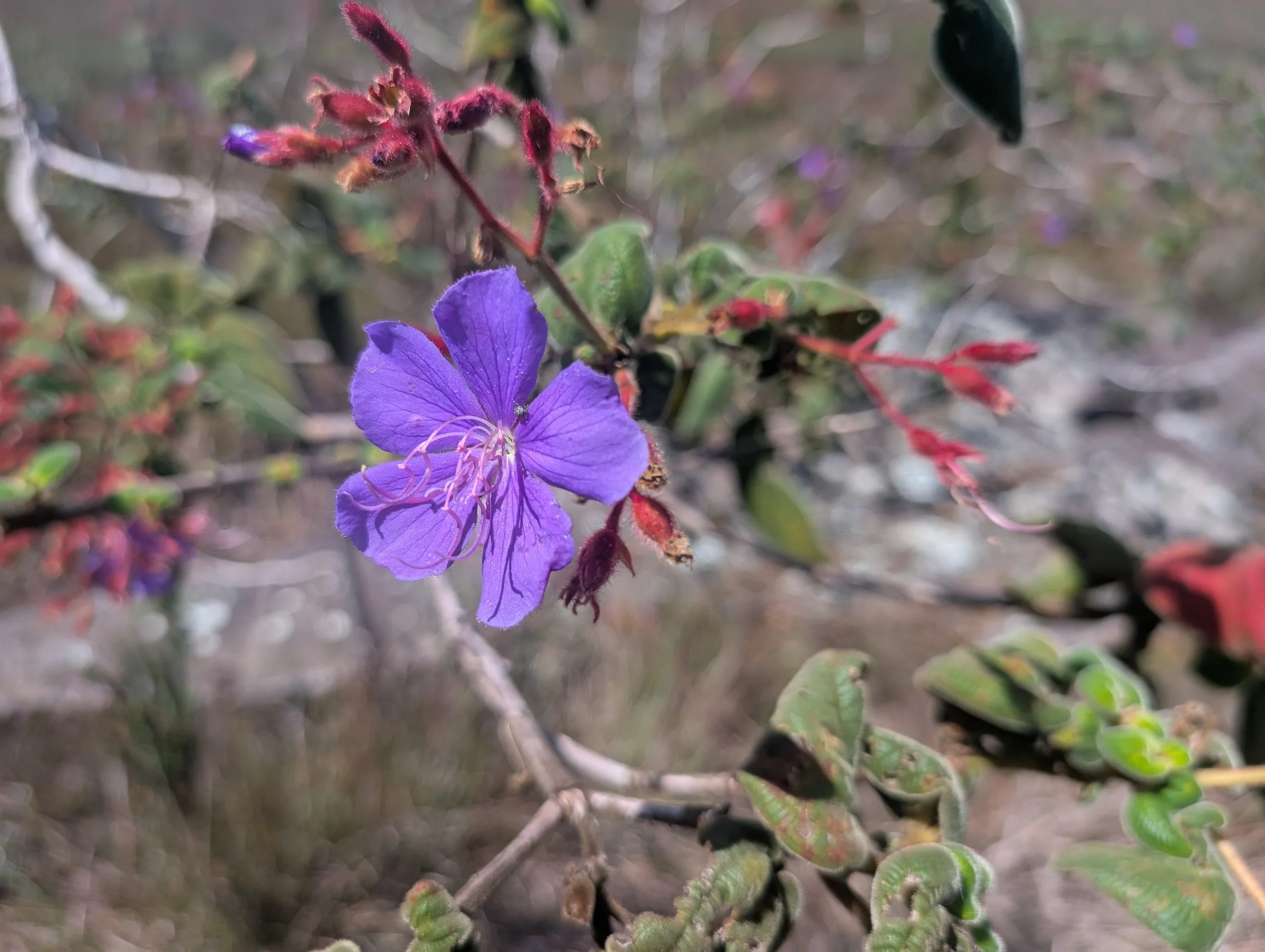
By the time we’d conquered the escarpment, an impossibly flat mesa lay before us. The horizon was marked with distant craggy stone towers, tea-colored crystalline streams, and the vibrant purple blooms of native quaresmeira (lent flowers) lining our path.
From a panoramic plateau vantage point just a little deeper into the mesa, Daniel—our trusty guide from PlanetaEXO—pointed toward the ring of peaks encircling us and the microscopic dirt tracks winding way down below.
"Just behind that peak is Morro do Castelo," he said, gesturing across the lush and carpeted canyon. "We’ll hike to its summit tomorrow."
Then, tracing with his finger a sharp, zigzagging path with a near-vertical drop, he added, "And next, we’ll be following this trail down the face of the mesa again to the valley floor and our first homestay."
Watching his finger outline our route across the valley brought a sudden wave of exhilaration mixed with a tinge of overwhelm. Until that moment, the trek had lived entirely in my imagination or through the sleek photos on the PlanetaEXO booking page. But standing there on the mesa top, seeing just how vast, deep, and wild the valley truly was had me starting to realize what it might mean to cross it entirely on foot over these next four days.
Fortunately, I wasn't tackling it alone.
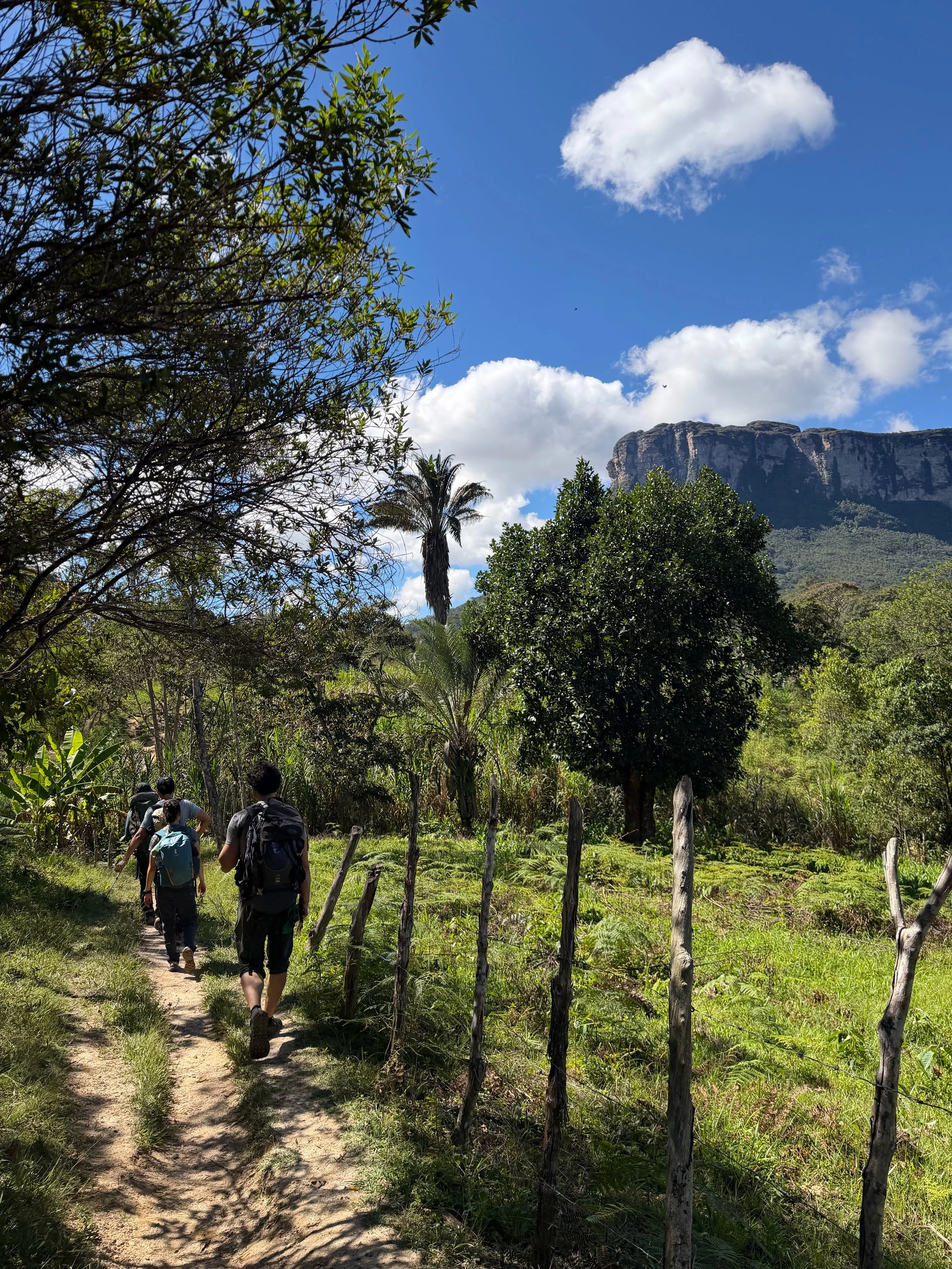
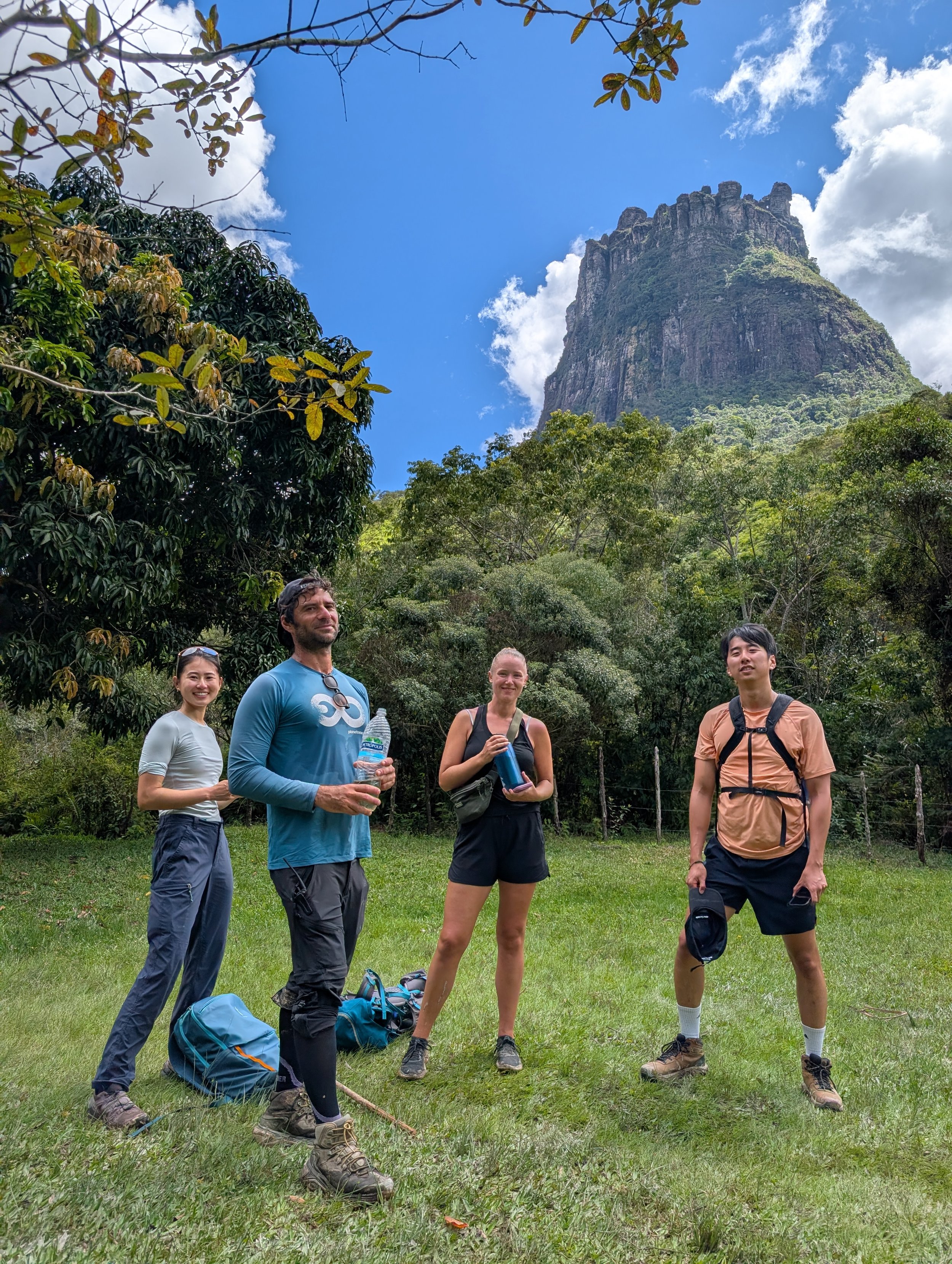
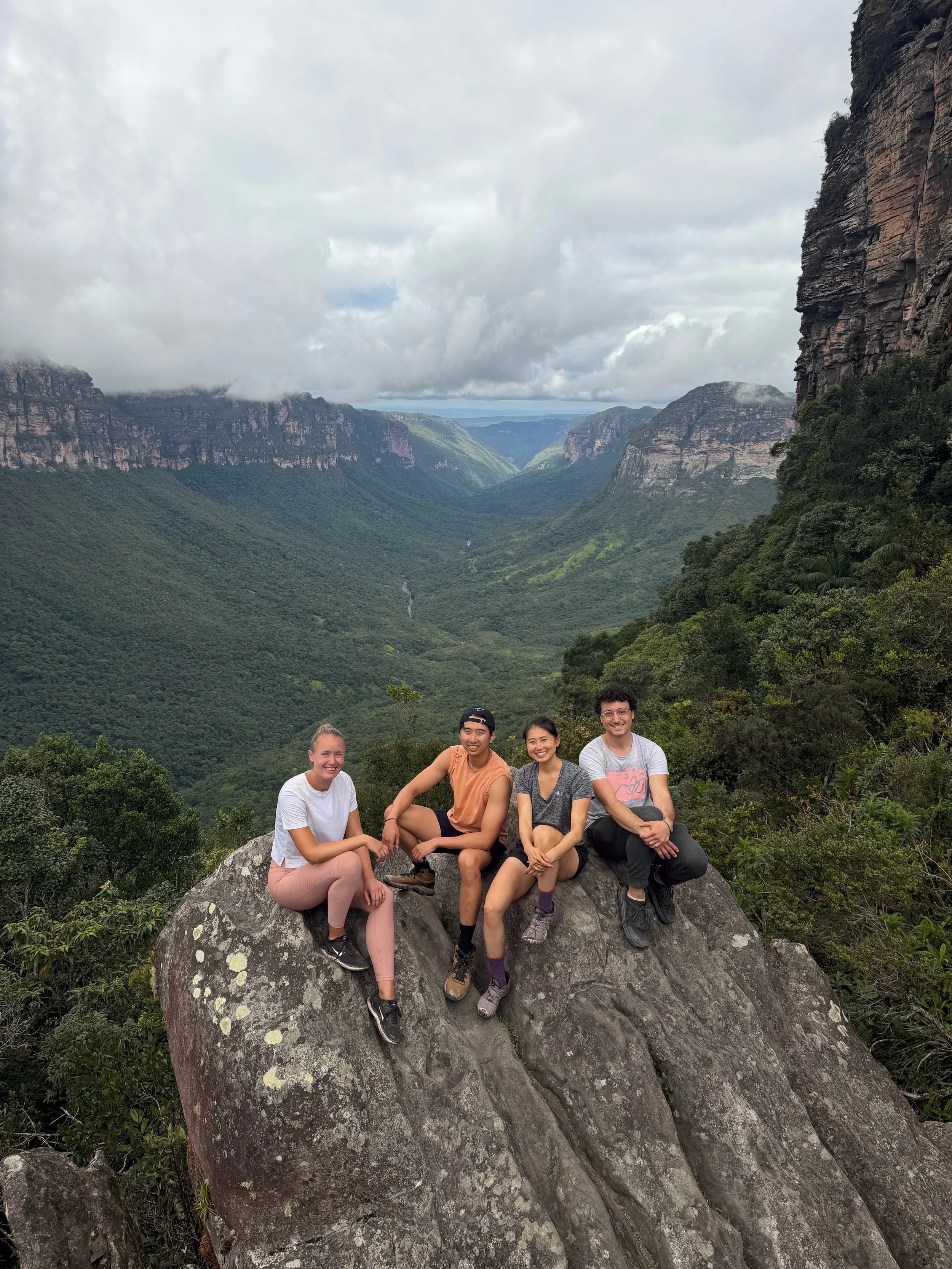
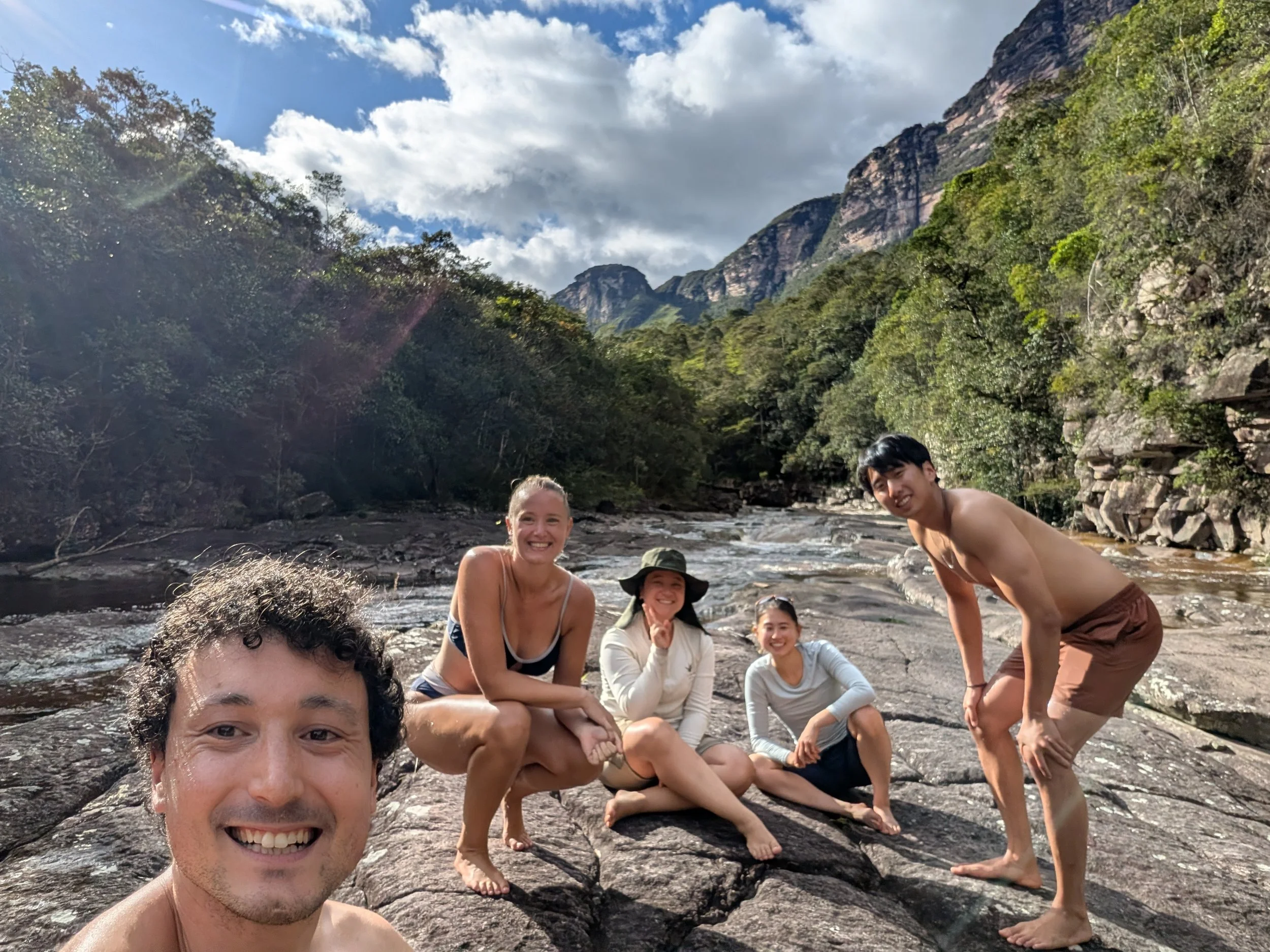
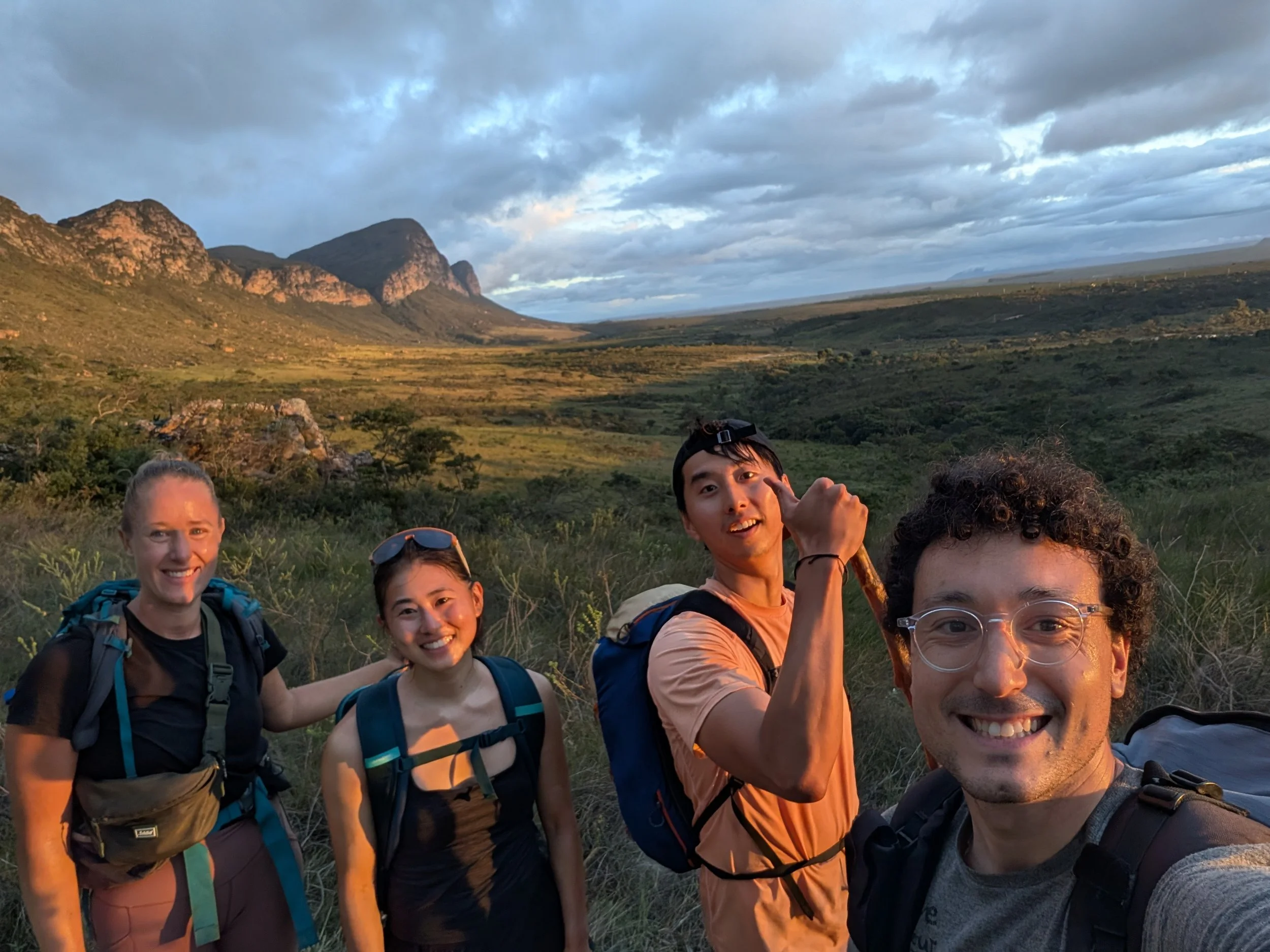
Our small group of four—Miguel, Jenny, Reggie, and me—along with Daniel, settled into a thankfully easy, natural rhythm. Conversation flowed surprisingly effortlessly, and before long, the typical awkwardness of meeting strangers quietly dissolved.
Looking back, that first arduous climb up Aleixo wasn't just my introduction to this landscape—it was the my transition from everything that had existed up to that point (work, emails, blog posts to write) into this beautiful bubble that was trekking in this setting with this crew.
By late afternoon, we reached our first homestay near the tiny, iconic Igrejinha chapel—sadly under construction when we arrived.
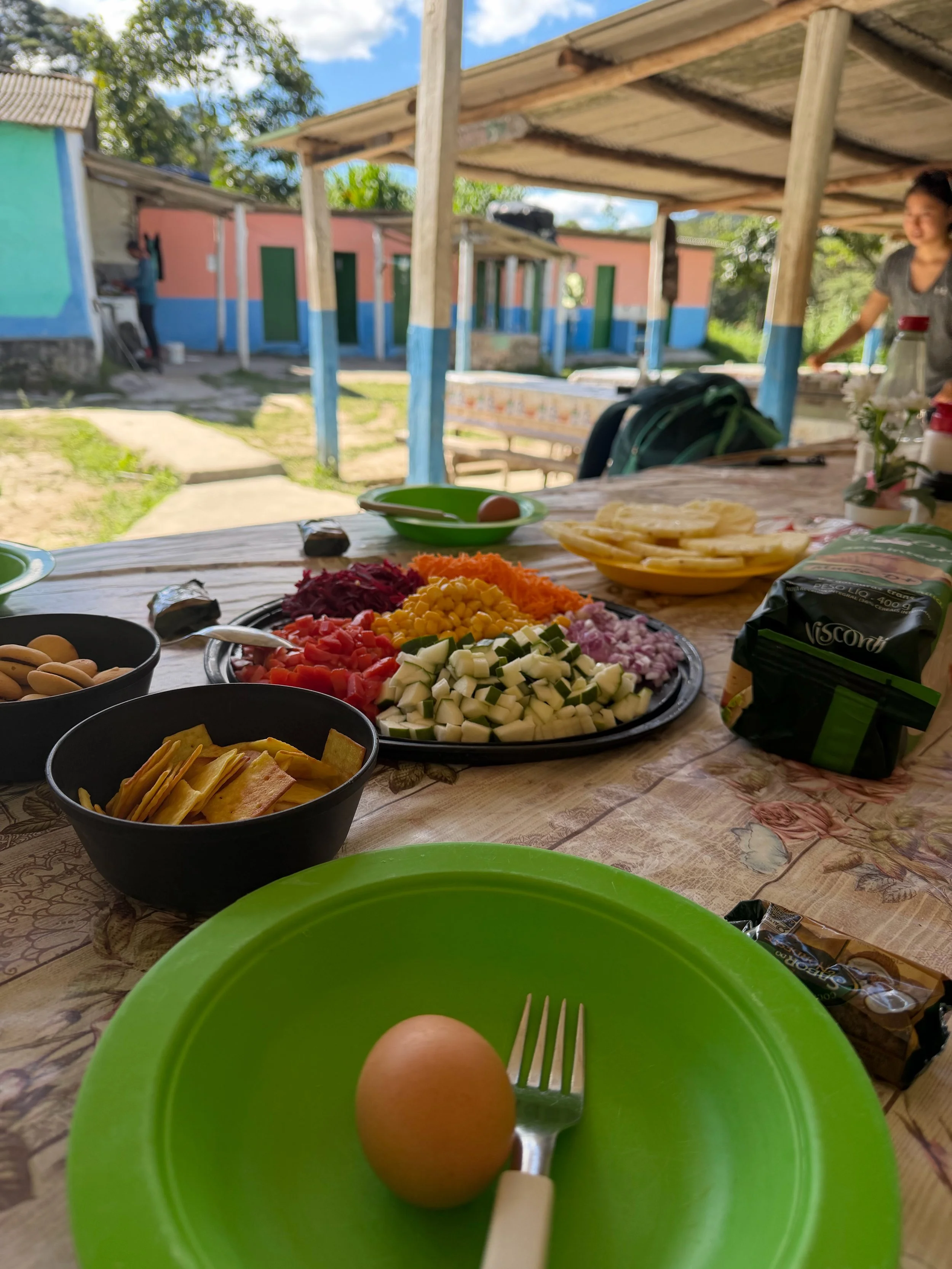
Daniel immediately disappeared into the kitchen, taking with him an arm’s full of fresh ingredients out of his enormous pack. Alongside his personal gear, he had been hauling all of our lunch supplies and trail snacks that we’d be dipping into the rest of the trip. It hit me right then that everything we, and every other trekker, resident, and roving hen in this valley would consume—every piece of fruit, every coffee bean, every protein —has to be carried in on human shoulders or a mule’s back. That’s how remote and road-less this place is.
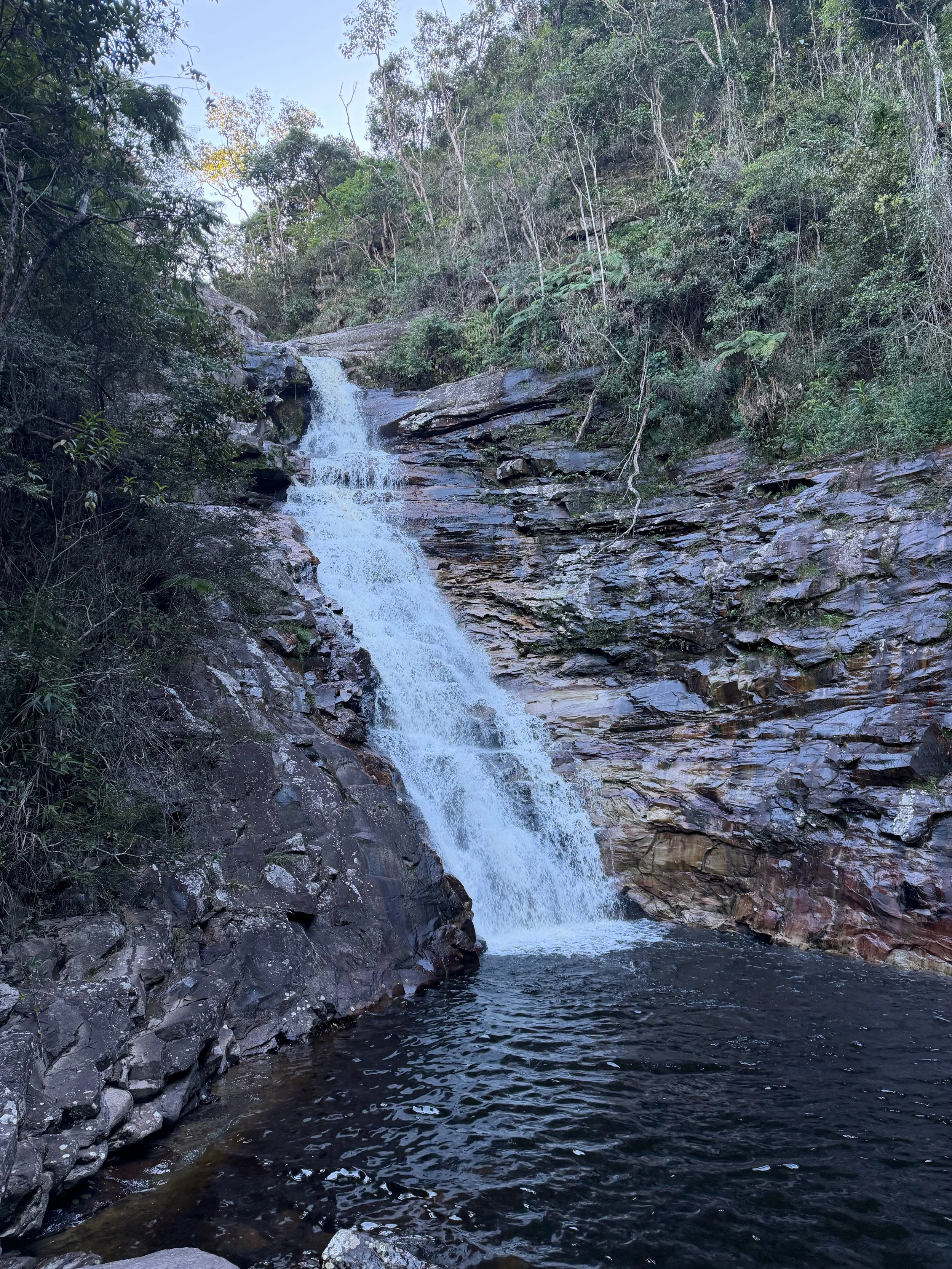
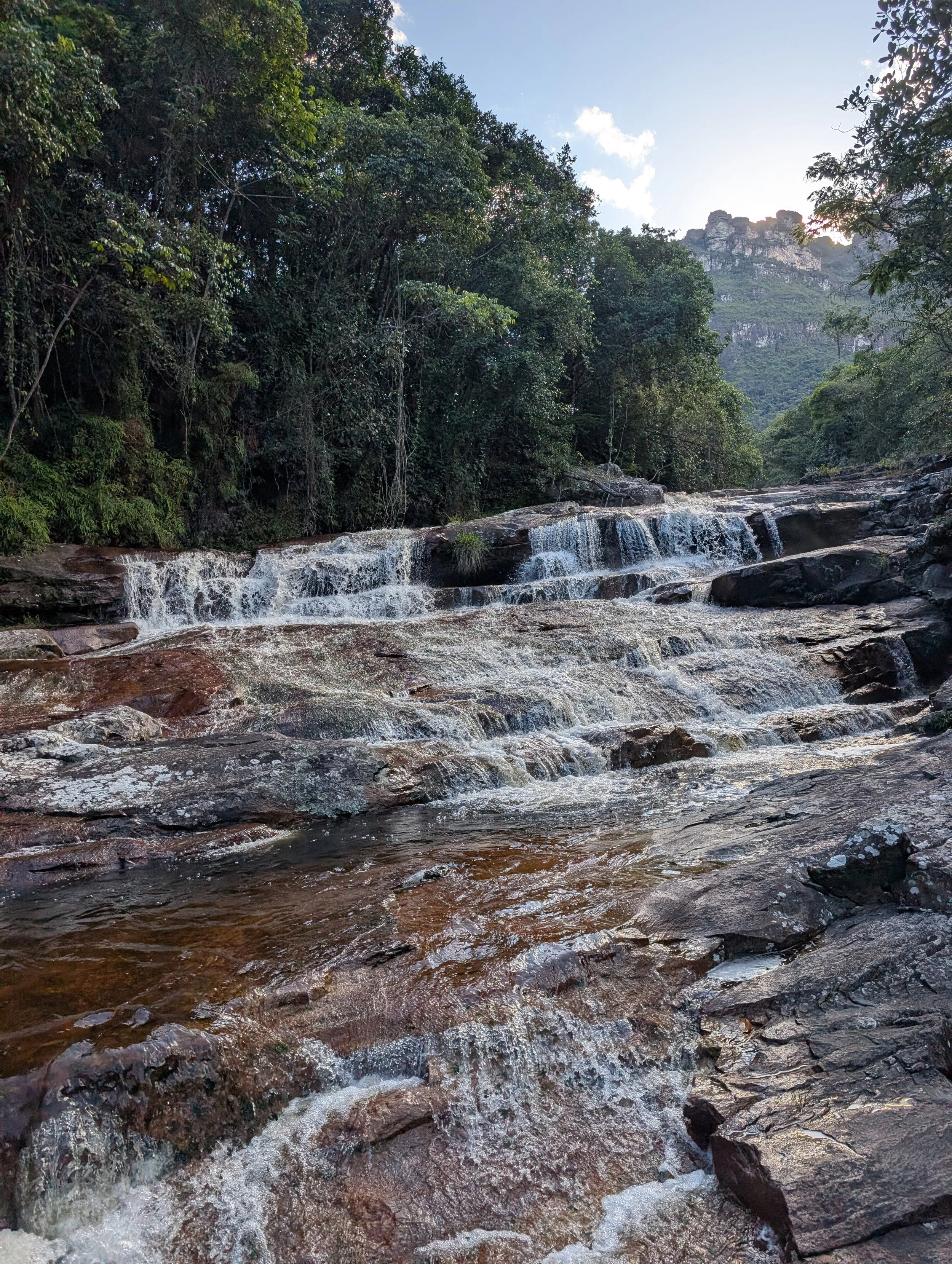
After dropping our own comparatively weightless packs in our shared rooms and enjoying the lunch Daniel had just whipped up for us, we set off once more—this time with only water bottles in hand—for a short trek down the canyon riverbed to the stunning Cachoeira dos Funis (Funis Waterfall). Washing off the trail dust in the cool, rushing swimming hole was the ultimate reward at the end of this first day.
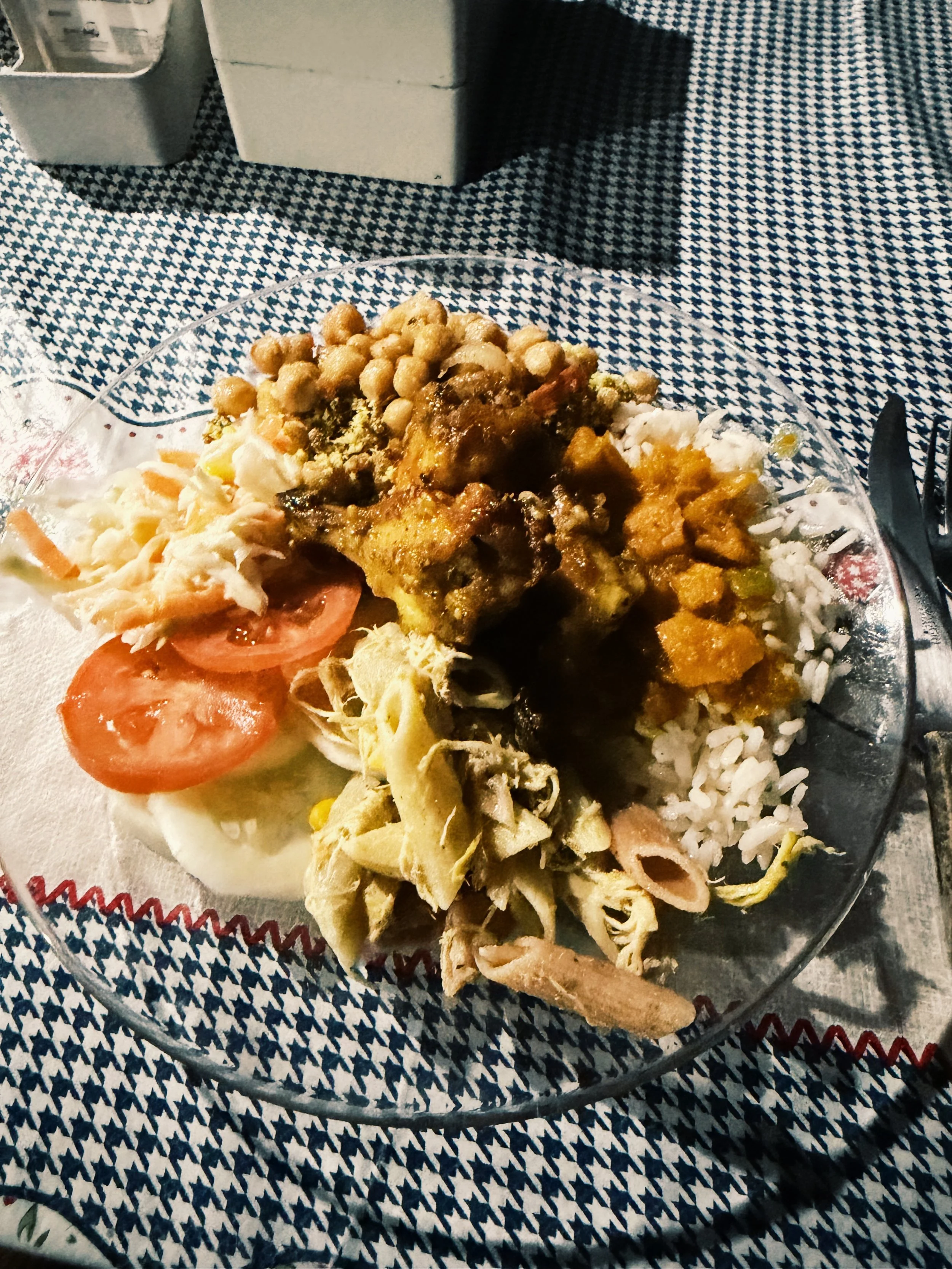
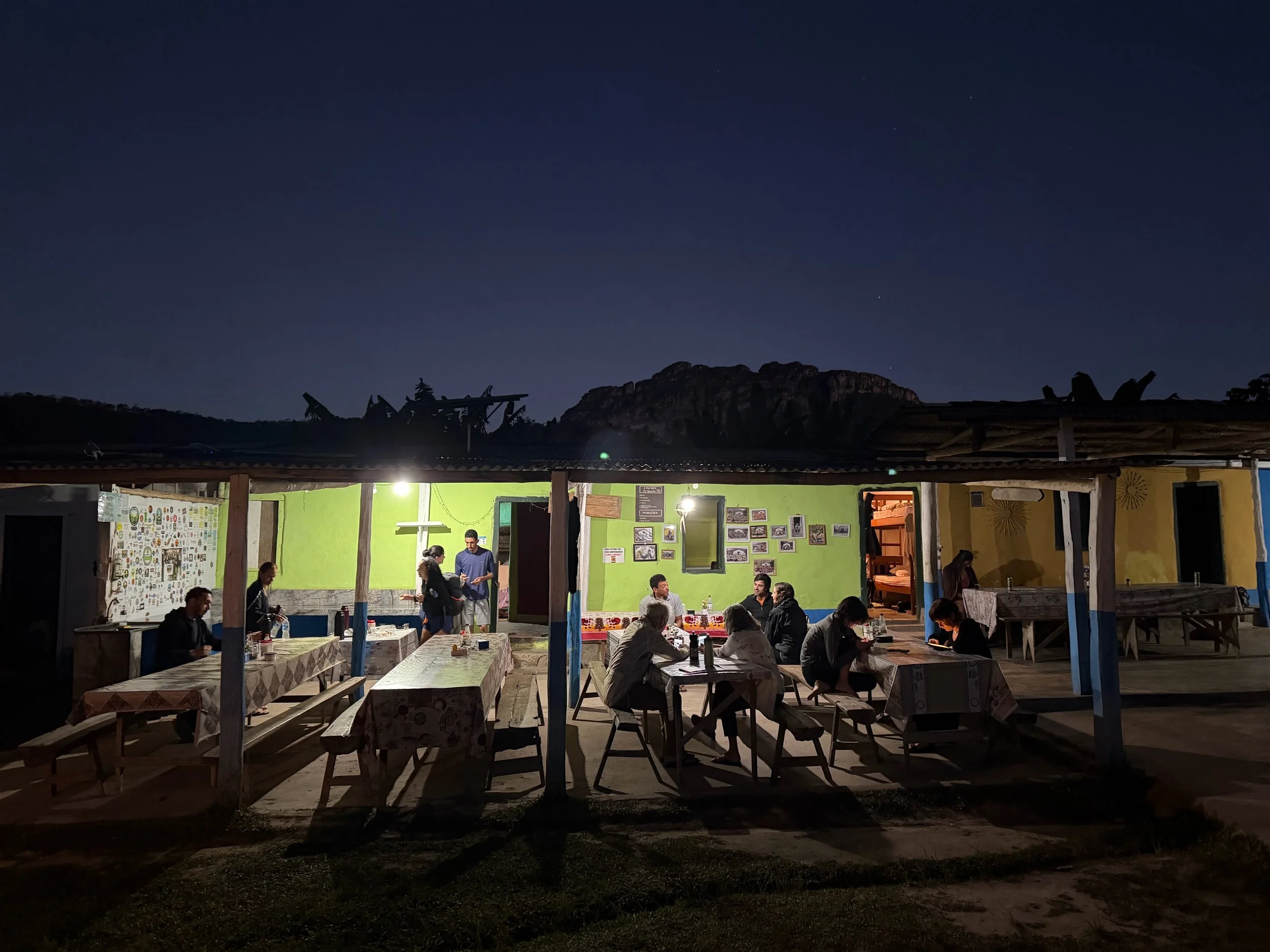
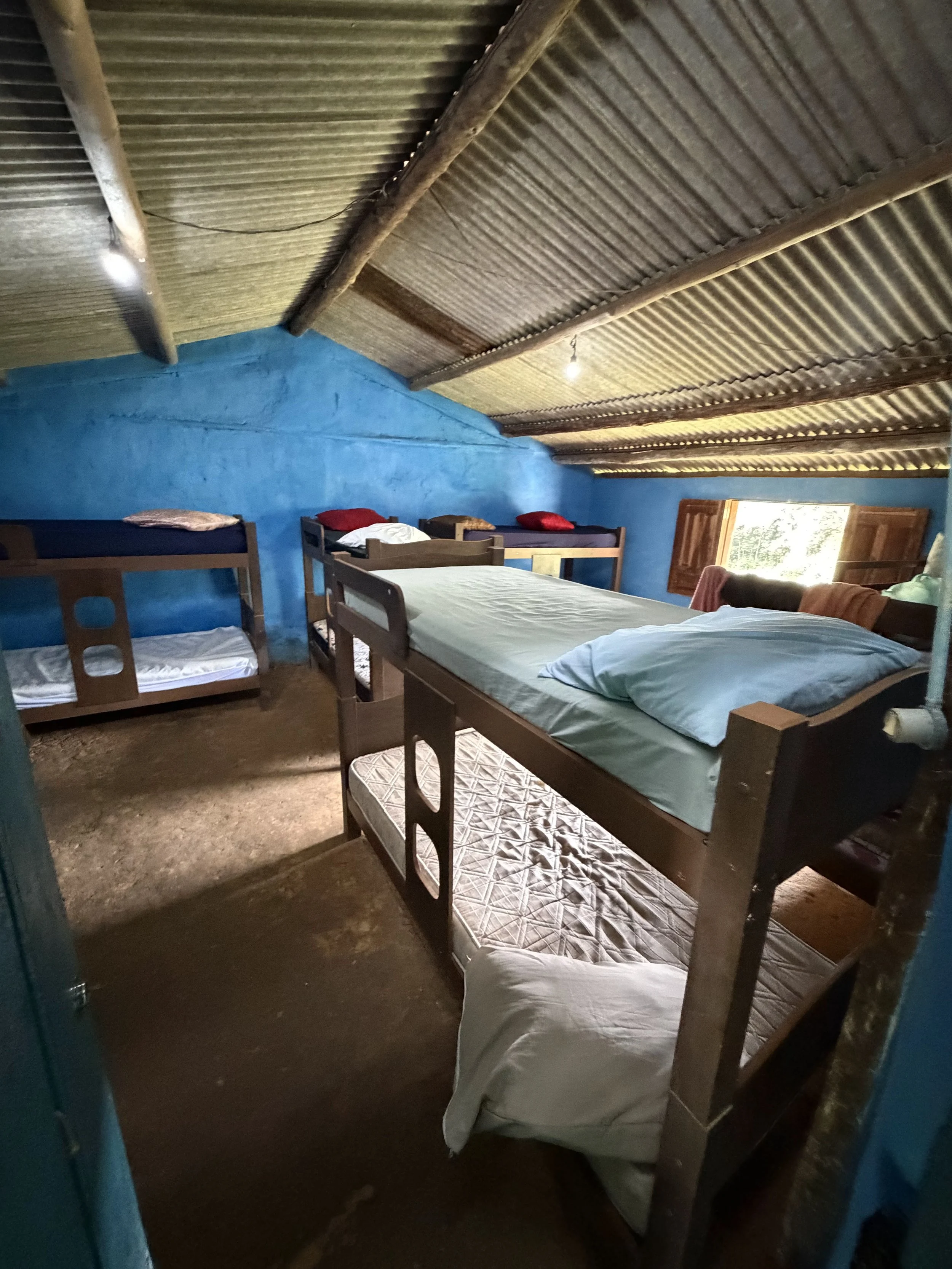
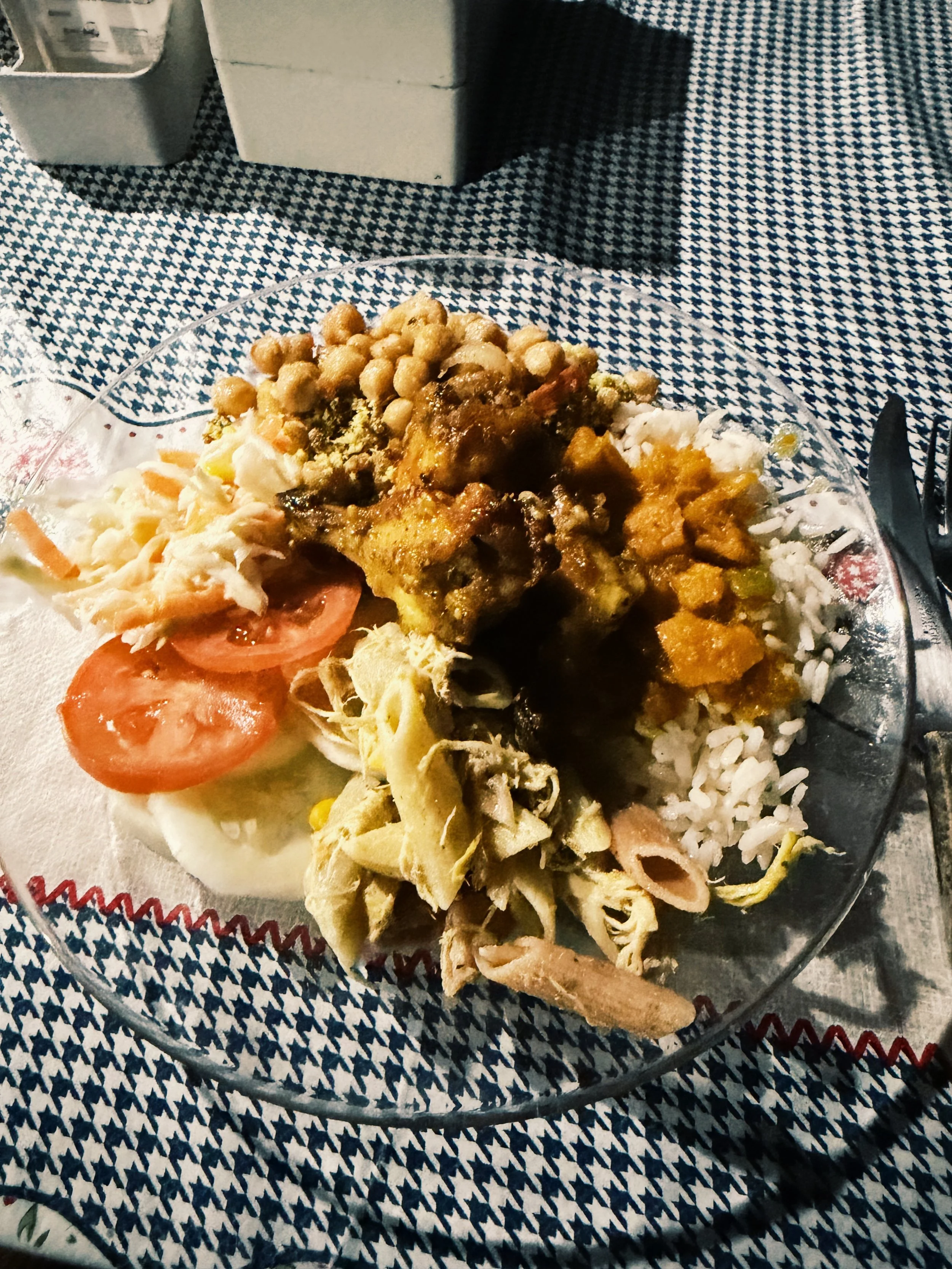
Back at the homestead, we snagged a quick shower before joining the other trekking groups for dinner. That first meal completely shattered my expectations. I had anticipated Spartan, basic trail food. Instead, the buffet-style table was laden with heaping portions of rice, beans, seasoned chicken, crisp salads, fresh fruit juices, and local home-cooked dishes that rivaled anything I’d eaten in the big city of Salvador. It was my first true taste of the valley's legendary hospitality.
As darkness blanketed the canyons and our plates were left with only crumbs, Daniel shared more local trail lore with our table, from the poisonous jumping spiders we were told to watch for on any midnight bathroom runs to the origin stories of when he and his friends (now the other guides) first started knocking on the doors of these very homesteads, looking for shelter from the rain or a hot meal during their early independent adventures in the park.
With every story shared, my understanding of the Vale do Pati, and even João’s home where I was sleeping this night, started transitioning from simply a stunning place to hike and unique place to sleep into what they are: a landscape and community rich with history, caught in the crosshairs of government decisions, and finding a way forward through mutually beneficial relationships with the guides and trekkers who want to see them stay and their home thrive.
Day 2: Learning the Valley
We started Day 2 with one of the trek's most demanding ascents: Morro do Castelo (the castle, as Daniel kept calling it). The climb was steep enough to leave all of us burning and breathless, but every pause to catch our breath revealed another yet grander, sweeping vista of the valley floor we’d only just rolled out of our bunks in.
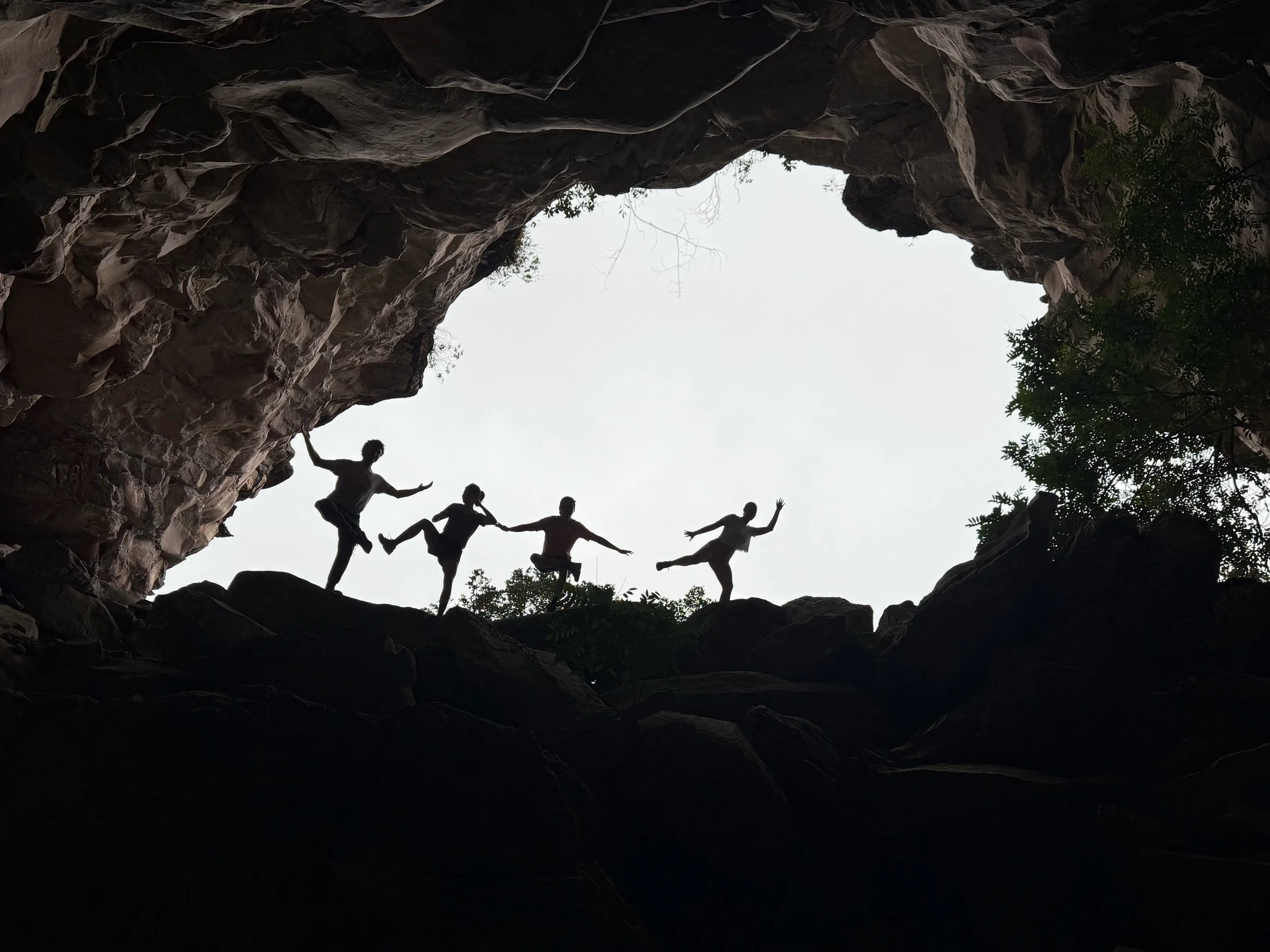
As we neared the summit, we reached the mouth of Gruta do Castelo (also called Lapinha Cave) first. Under normal circumstances, this cavern serves as a literal gateway; hikers must pull out their headlamps and navigate a pitch-black, 800-meter crawl directly through the heart of the mountain to emerge onto a spectacular stone balcony overlooking the pristine Calixto River Valley on the other side.
During our visit, however, the cave was partially closed due to recent crumbling and shifting boulders. Instead of venturing deep into its dark belly, we could only peek through its yawning and echoing entrance before Daniel redirected us along an alternative outdoor scramble to the summit.
While I would have loved to experience that dark, subterranean passage myself, seeing the sheer size of the fractured rocks at the mouth was a powerful reminder of the terrain's reality. The Vale do Pati isn't some sanitized theme park with guaranteed attractions and handrails to help you go; it is a raw, shifting ecosystem where environmental safety and geological preservation understandably take absolute priority over a hiker’s checklist.
As incredible as the scenery was, even without accessing the cave, what always seemed to anchor every moment, I was learning, was listening to Daniel.
Since leaving our trailhead at Guiné yesterday, Daniel had been seamlessly weaving context into our walk. One minute he was decoding how these sheer quartzite blocks formed over hundreds of millions of years; the next, he was identifying native medicinal plants, decoding lichen’s measure of air quality for us, or elaborating on how the original coffee-farming families felt when they first started seeing locals from Lençóis trekking through the valley and camping alongside their streams.
He also shared his own story. Originally from Rio de Janeiro, Daniel fell in love with Chapada Diamantina and made Lençóis his adopted home, splitting his time between trek guiding and volunteering as a wilderness firefighter alongside other local guides. His commentary not once felt rehearsed. It genuinely flowed organically from the terrain we were traversing and whatever it was inspiring in him to share.
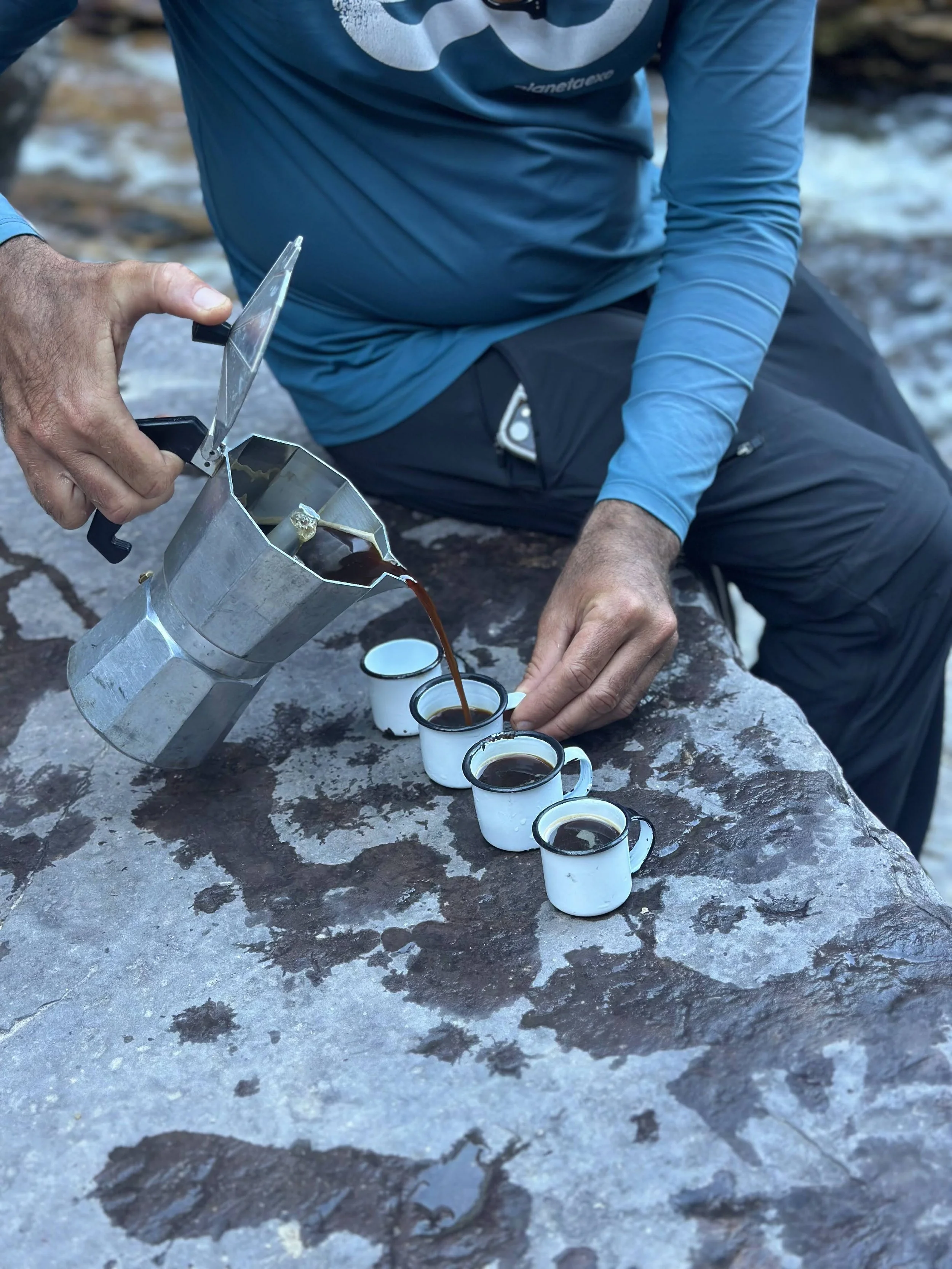
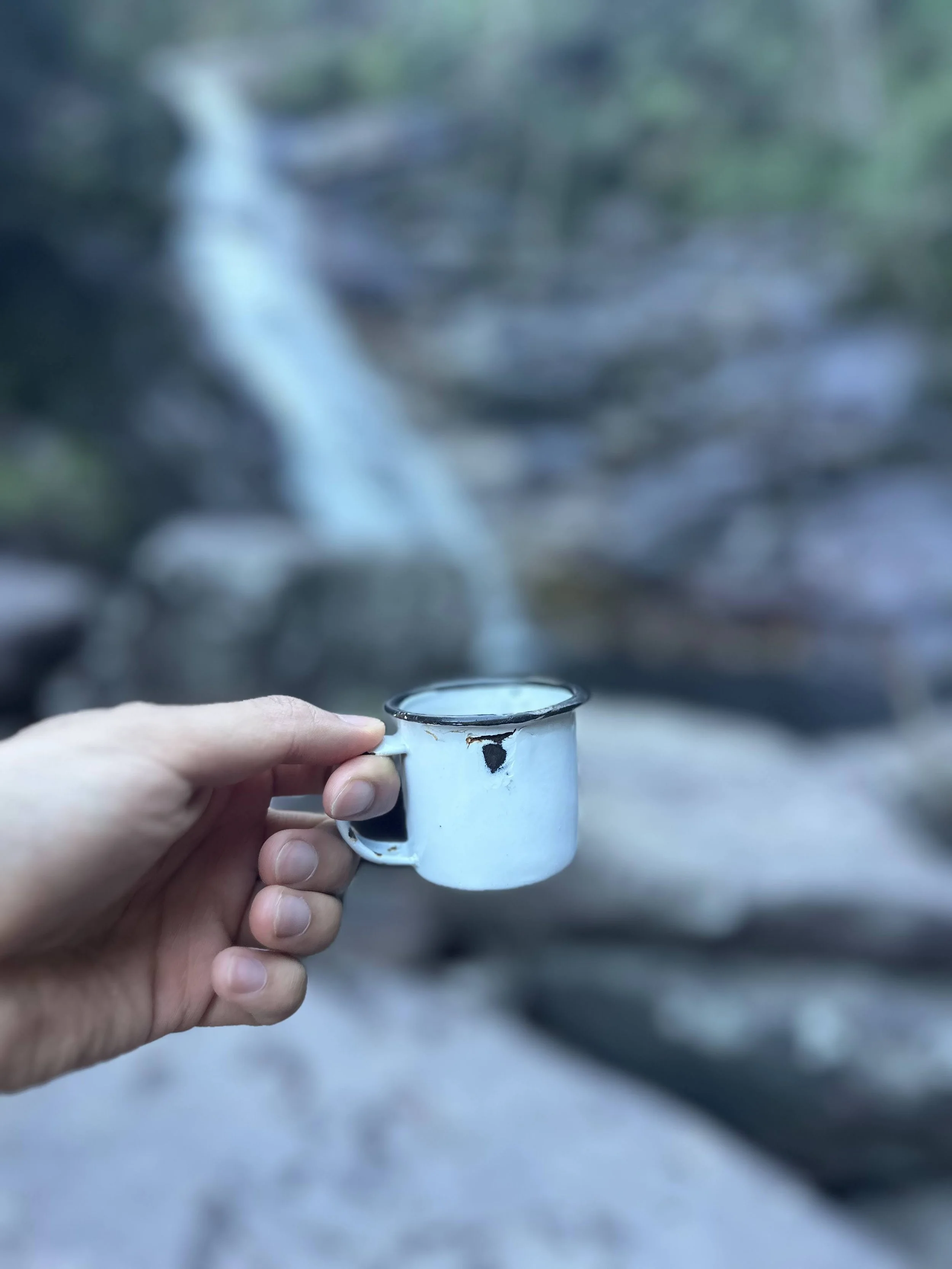
Eventually, we paused beside a shallow, babbling stream. While my trail mates and I used the opportunity to kick off our socks and boots and soak our swollen and blistered feet in the icy water, Daniel pulled out a Jetboil from his pack and began brewing us fresh coffee.
That simple, impromptu coffee break captured the soul of this trek for me better than any panoramic photograph I could have taken. I was realizing it’s not about rushing to the next point of interest in this valley or getting to the homestead as fast as possible each day; it's about being right where you are, enjoying what’s right in front of you at any given time and accepting whatever invitation it’s presenting.
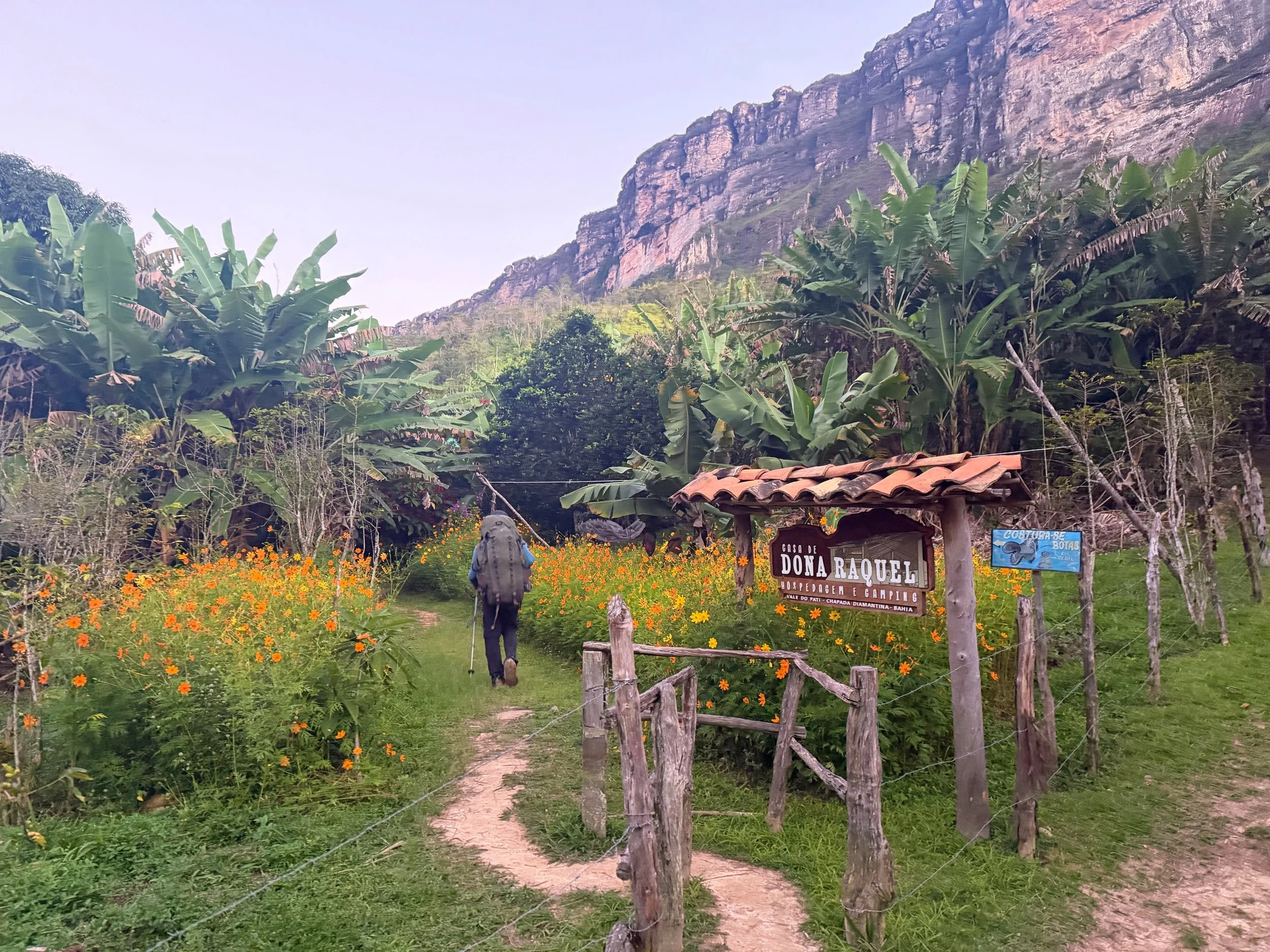
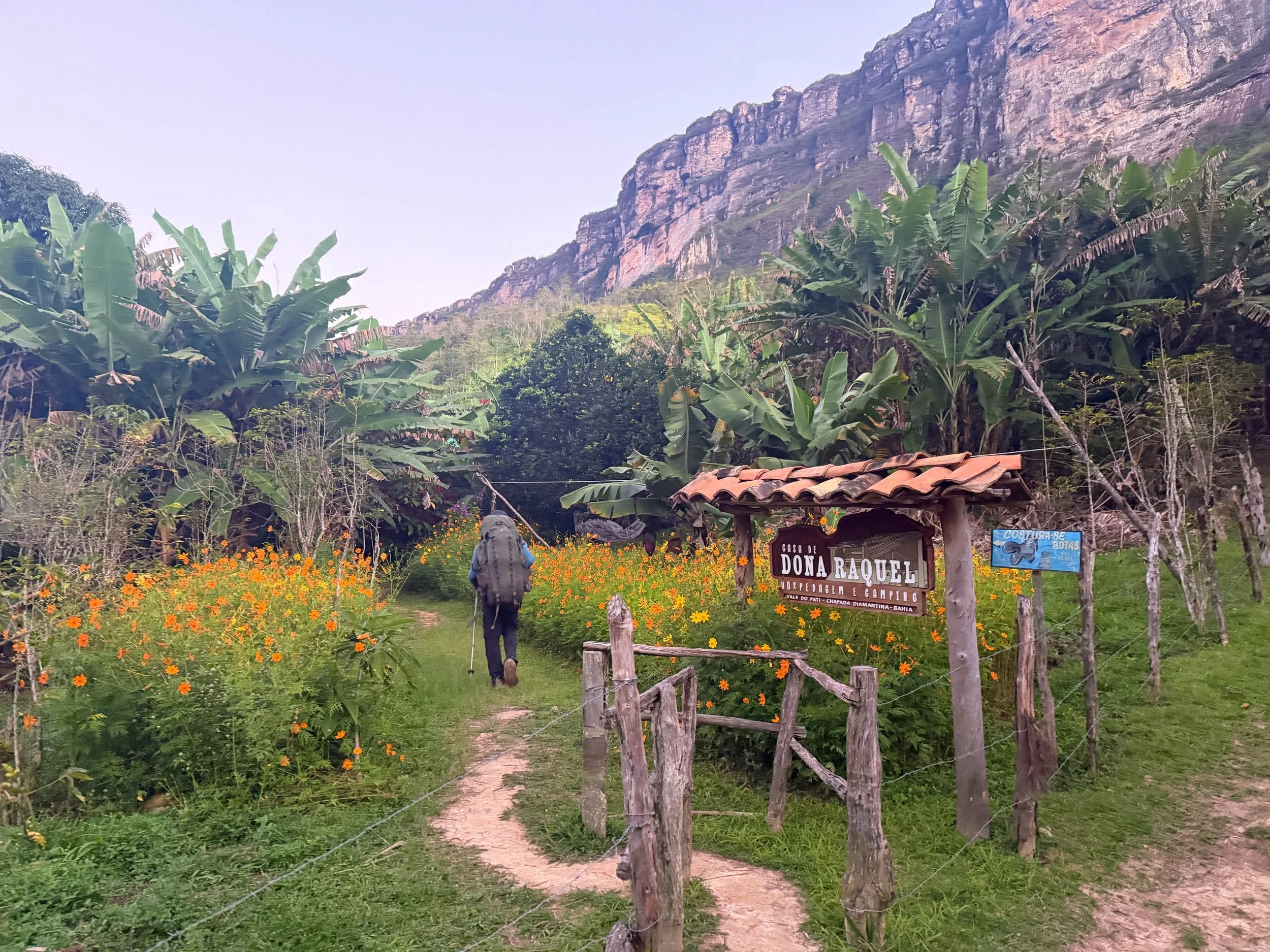
That evening, we arrived at Dona Raquel’s, where we’d spend the next two nights. It was here Daniel naturally shared that PlanetaEXO intentionally rotates the homestays they book to ensure trekking revenue is distributed equitably across the valley’s 14 resident families. He also told us, with a wink, that Dona Raquel’s is one of his personal favorites. If you're lucky, he said, you might even catch a lively night of acoustic Forró music filling her common room or a bonfire might get going after dark.
Day 3: Finding a Rhythm
By our third morning, the Vale do Pati no longer felt unfamiliar to us, nor did the routine of trekking through it.
Our four-day itinerary meant we got to rest this day. We didn't have an early start or another long climb waiting for us minutes after breakfast. Instead, we slept in, lingered at the breakfast table while the other groups filtered out, and left most of our gear behind at Dona Raquel's homestay since we knew we’d be returning there that evening. After two days of carrying everything on our backs, setting off with a lighter pack felt luxurious.
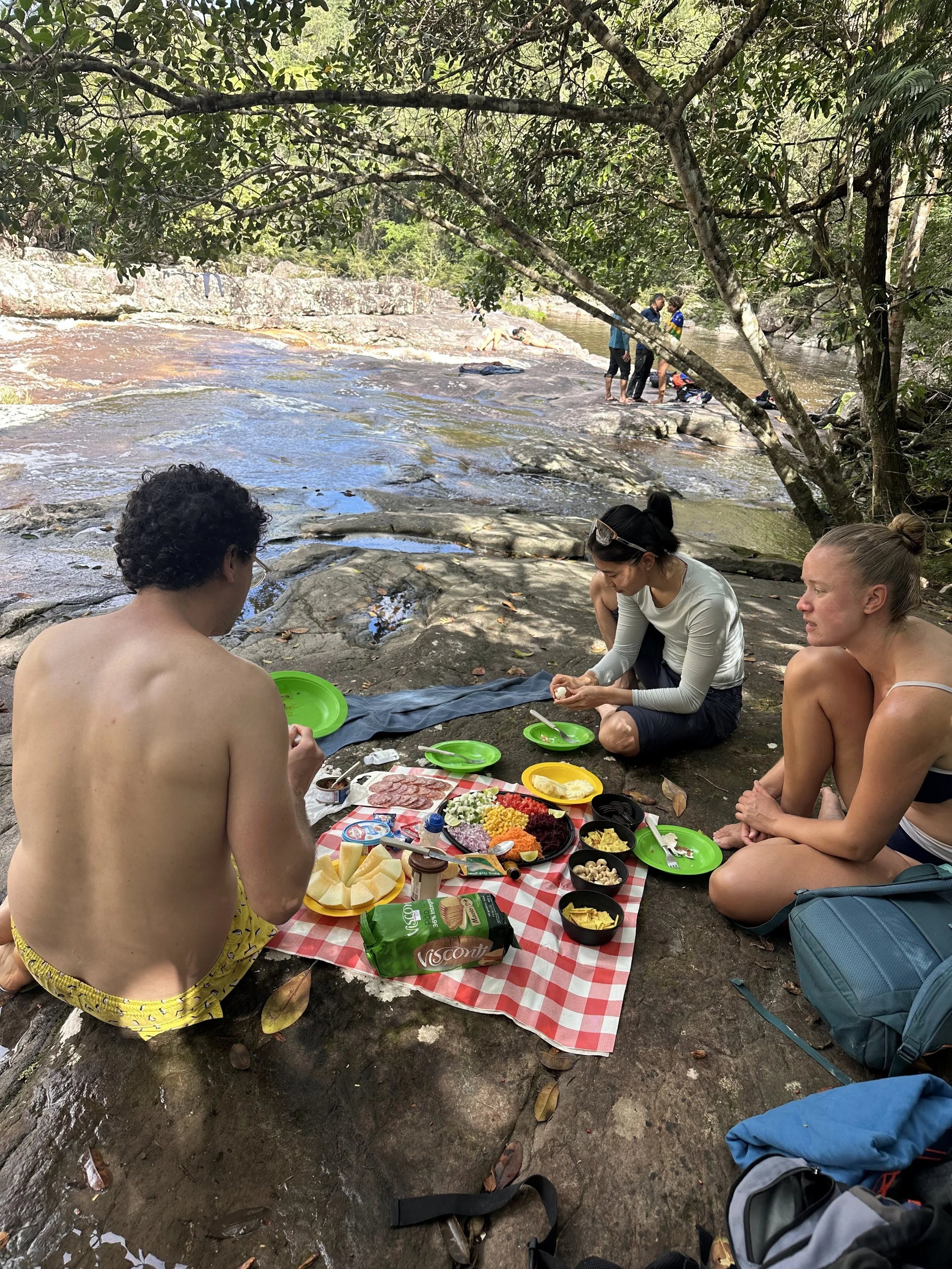
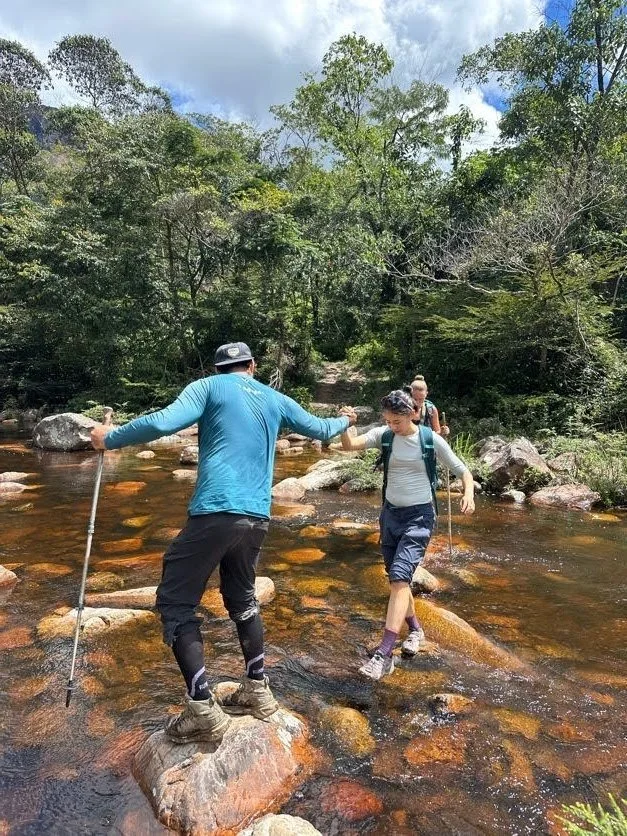
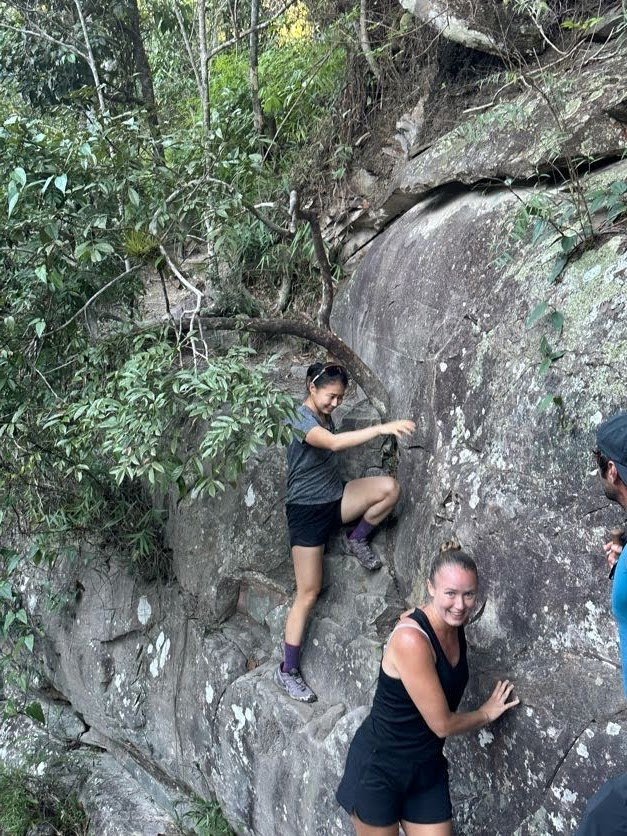
The hike that day was shorter and more relaxed, but no less adventurous, with river crossings and rock scaling at times. We eventually made it to the tranquil waters of Poço da Árvore(Tree Pool) along the riverbed, where we'd spend much of the afternoon. We ate our trail lunch on the boulders beside the rushing water, cooled off with a swim in the deep stone basin, and lingered far longer than we normally would have if we'd been trying to cover the same ground we had been up until now.
It struck me how quickly we all shifted speed, from full speed ahead to full recline on the riverbed.
There was truly nowhere else to be and it felt that way.
The hours we spent there sitting beside that river swimming, laughing, chatting, and, even cheering Miguel on when he miraculously came back up from the bottom with the tin coffee cup we all thought he’d assuredly lost as it slipped from his fingers into the current. These moments somehow felt just as valuable as the hours we'd spent climbing mountains. I hadn’t signed up for this trek to rest. I’d come to hike, but now I saw how moments like this had their place too.
By this point, our little group had long stopped feeling like five strangers who happened to book the same trek. Somewhere between that climb up Aleixo, countless belly laughs along the trail, and the routine of lingering around the dinner table together long after the rest of the room had emptied out, it started feeling like we’d always planned to walk this trek together, like there was never another way of going about it.
This group brought me back to the present, grounded me in conversations that were often hilarious, at times surprisingly deep, and always extremely open, heartfelt, and unhurried. They made my experience, as much as the landscape did, if not more.
I guess this is a good time to reiterate that I recommend you book the 4-day trek over the 3-day trek if you can. Despite the more restful tone of the day and the lack of physical challenge, this unrushed day is what allows you and your companions to slow down enough to feel the experience you’re all having, to hopefully grow even closer, and have a chance to more fully appreciate the trek for what it is while there’s still more trek left.
Day 4: Walking Out Changed
Our final morning began much like the others had. Breakfast around the table. Packing our bags one last time. Lathering on the sunscreen, blister bandaids, and bug spray. Saying goodbye to Dona Raquel and the homestay that had felt increasingly like home over the previous two nights. By then, the routines of life in the valley were our world, not the one we’d all soon be returning to later that day on the other side of Aleixo’s Trail, now our exit point.
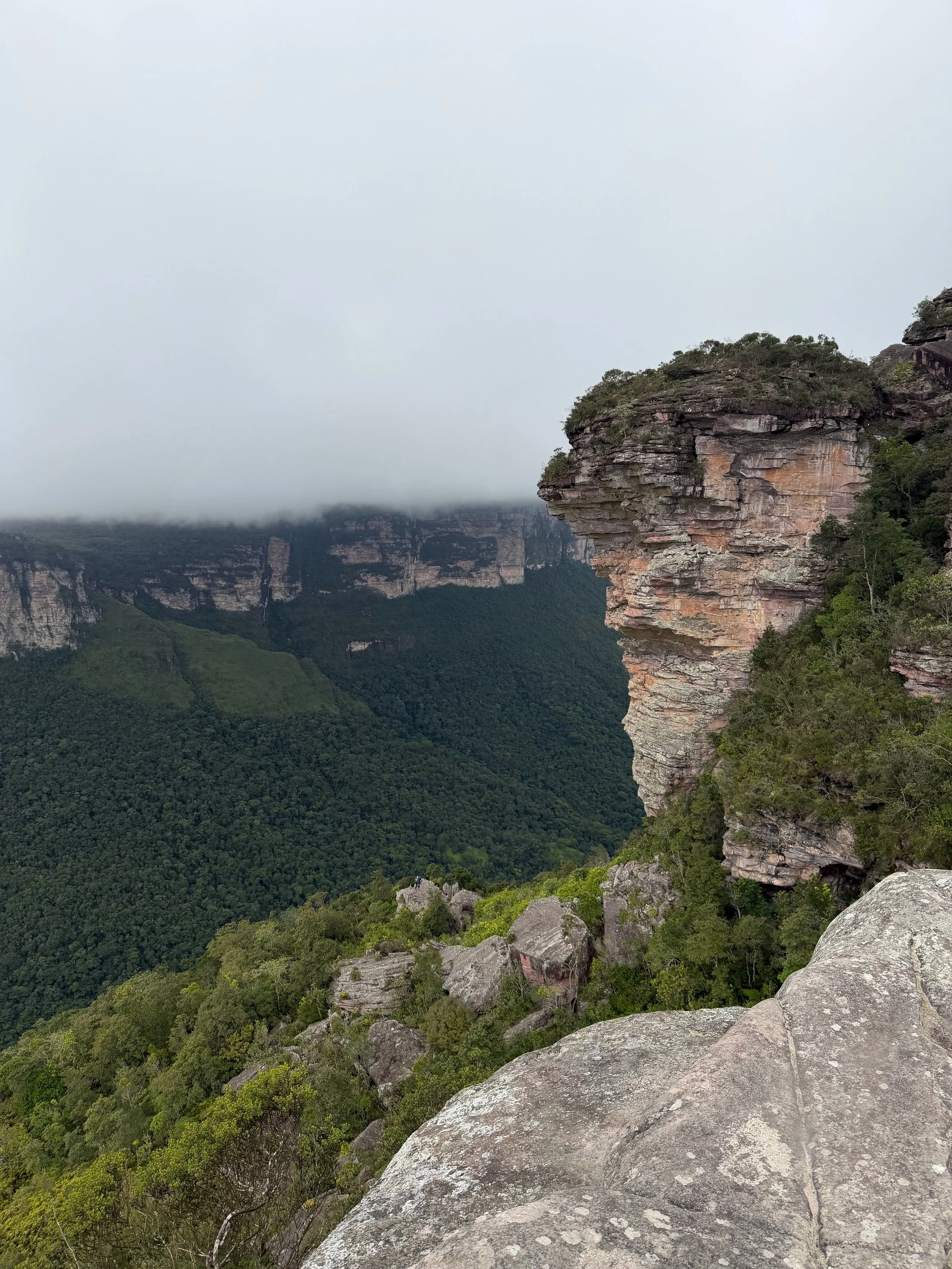
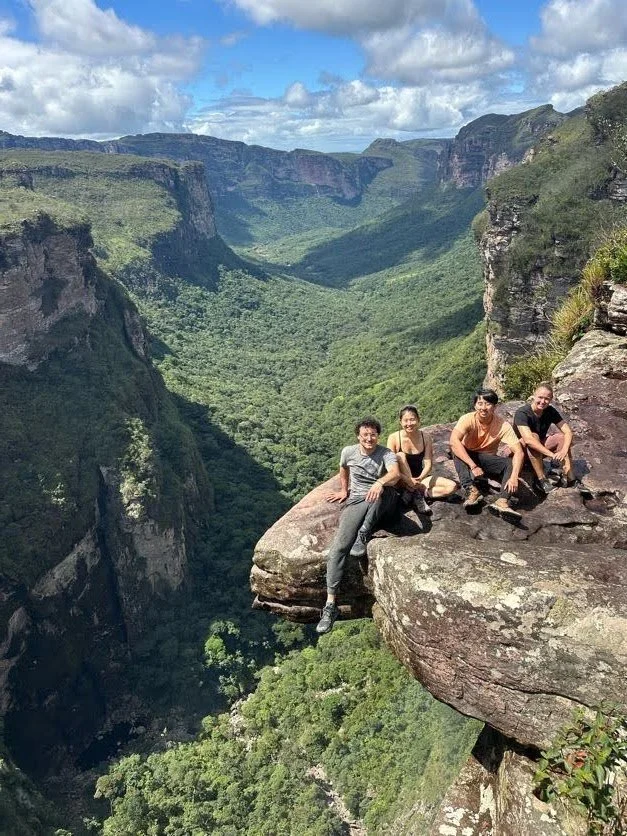
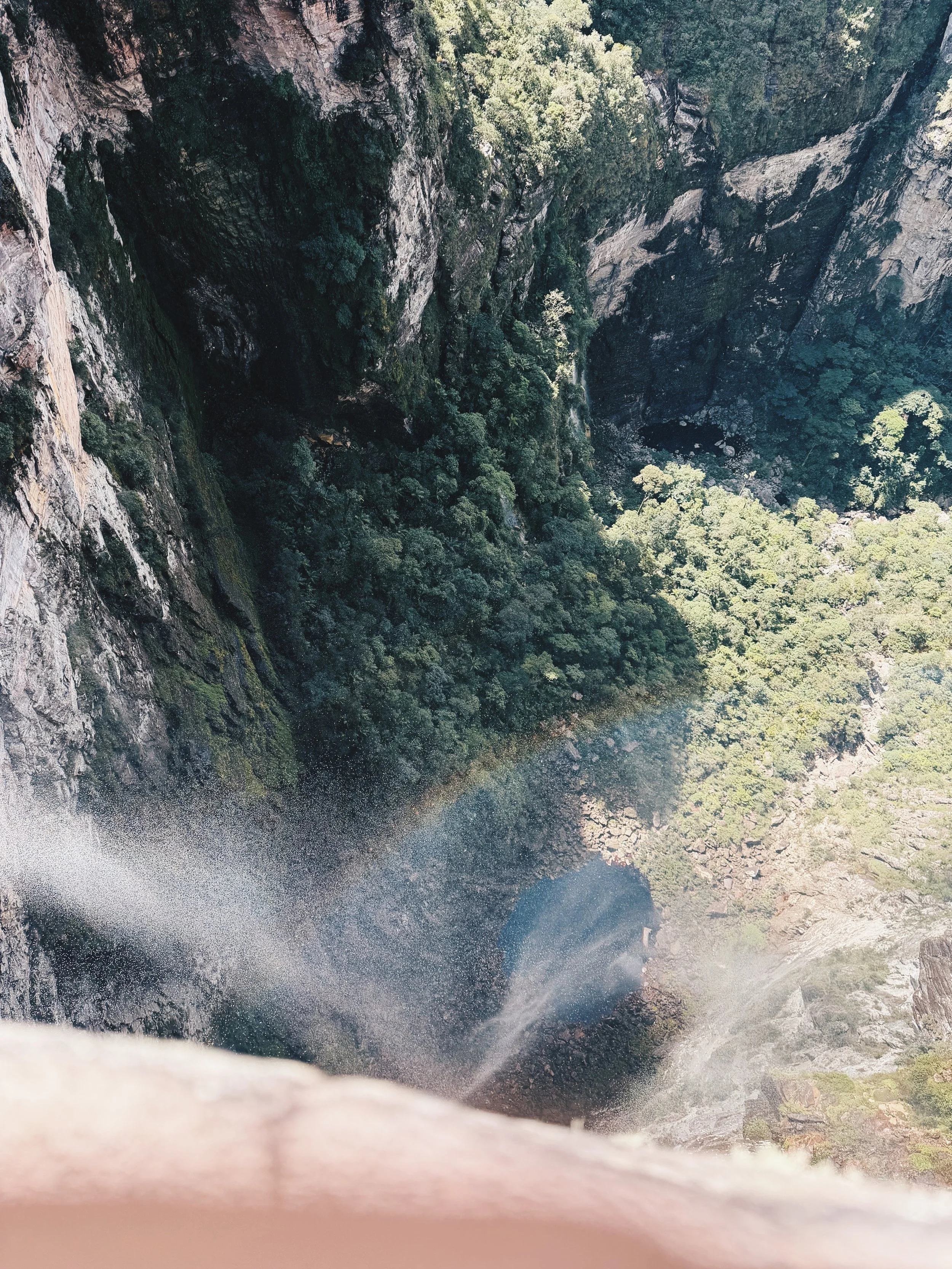
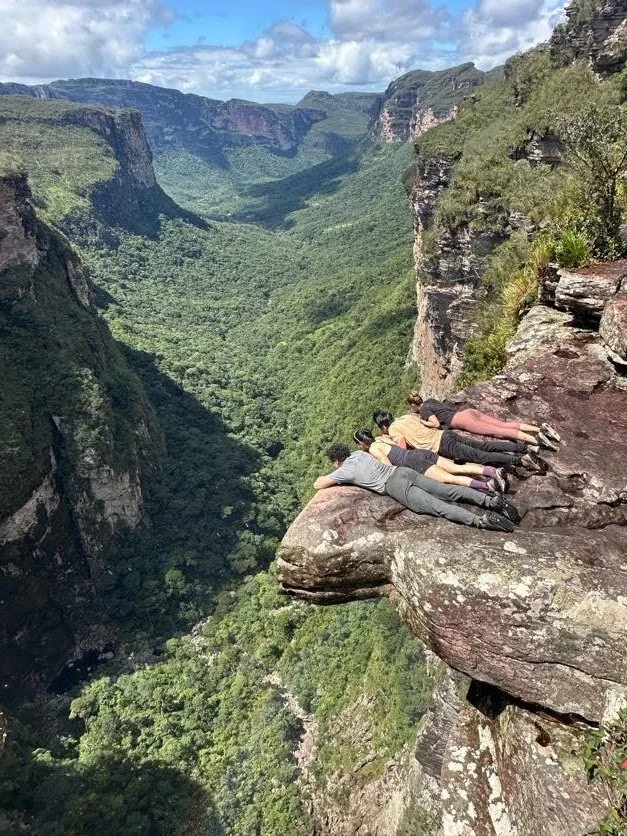
From Dona Raquel’s, we made our way up and out of the valley floor toward Cachoeirão (the Big Waterfall), one of the Vale do Pati's most iconic viewpoints. Standing at the sheer edge of this 918-foot (280-meter) cliff, looking out across the immense, horseshoe-shaped canyon below, it was easy to understand why so many hikers consider it the highlight of their trek. When the valley is plush with rain, dozens of waterfalls spill over these cliffs into the abyss below, and right on cue, rainbows begin appearing in the windswept mist.
It was one of those landscapes that almost doesn't seem real until you're standing right in front of it. Or in our case, lying on our stomachs peering over the edge and gasping like children at the wonder of it all.
Eventually, though, there was only one direction left for us to walk. Out.
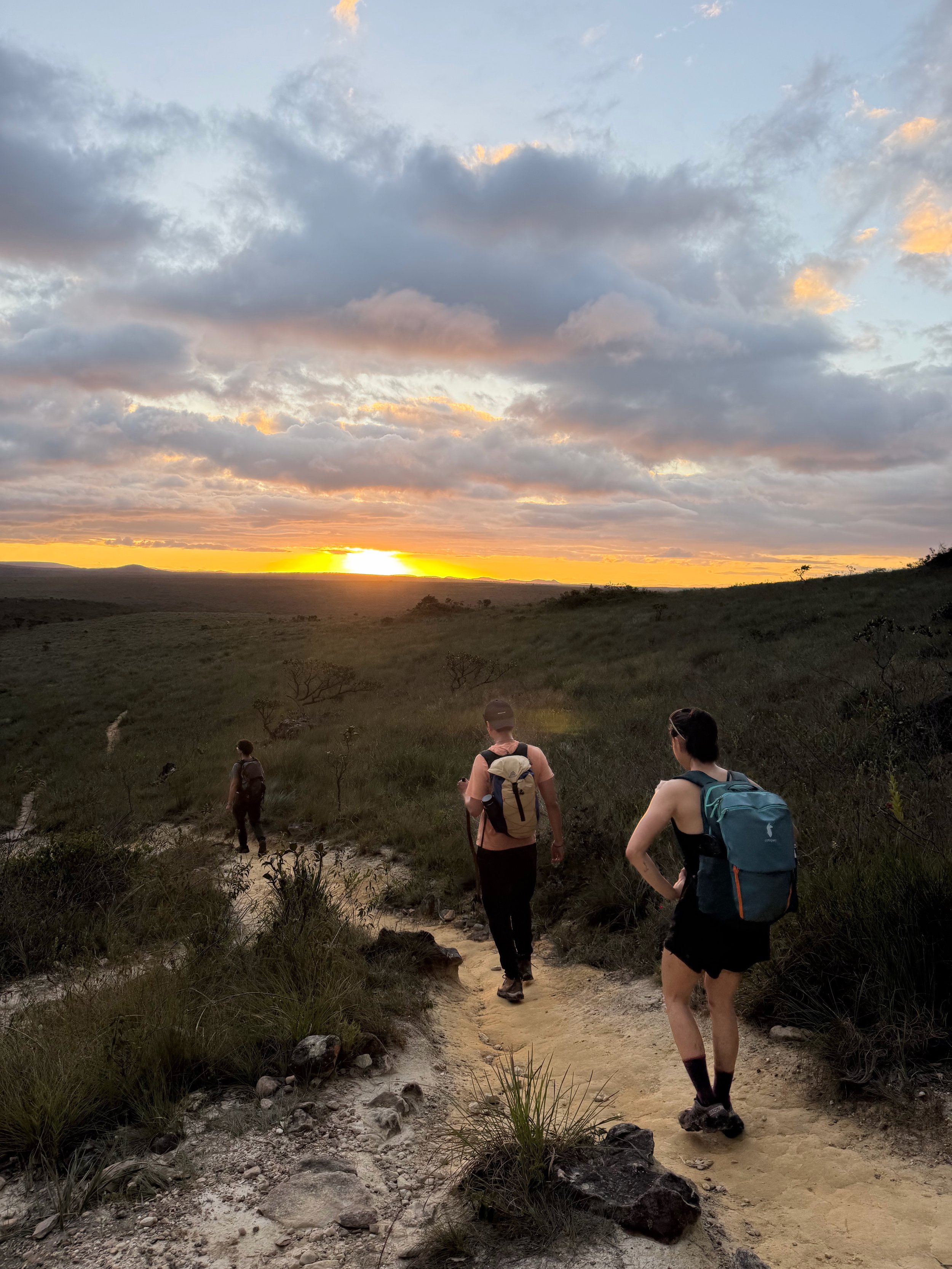
The return across the vast, sun-baked plains of the Gerais do Rio Preto plateau was quieter than the previous days. Partly because we were tired, but mostly because we all knew the trek was coming to an end. There were still conversations and plenty of laughter, but they were punctuated by longer stretches of simply walking, each of us taking in the sweeping landscape one last time for ourselves.
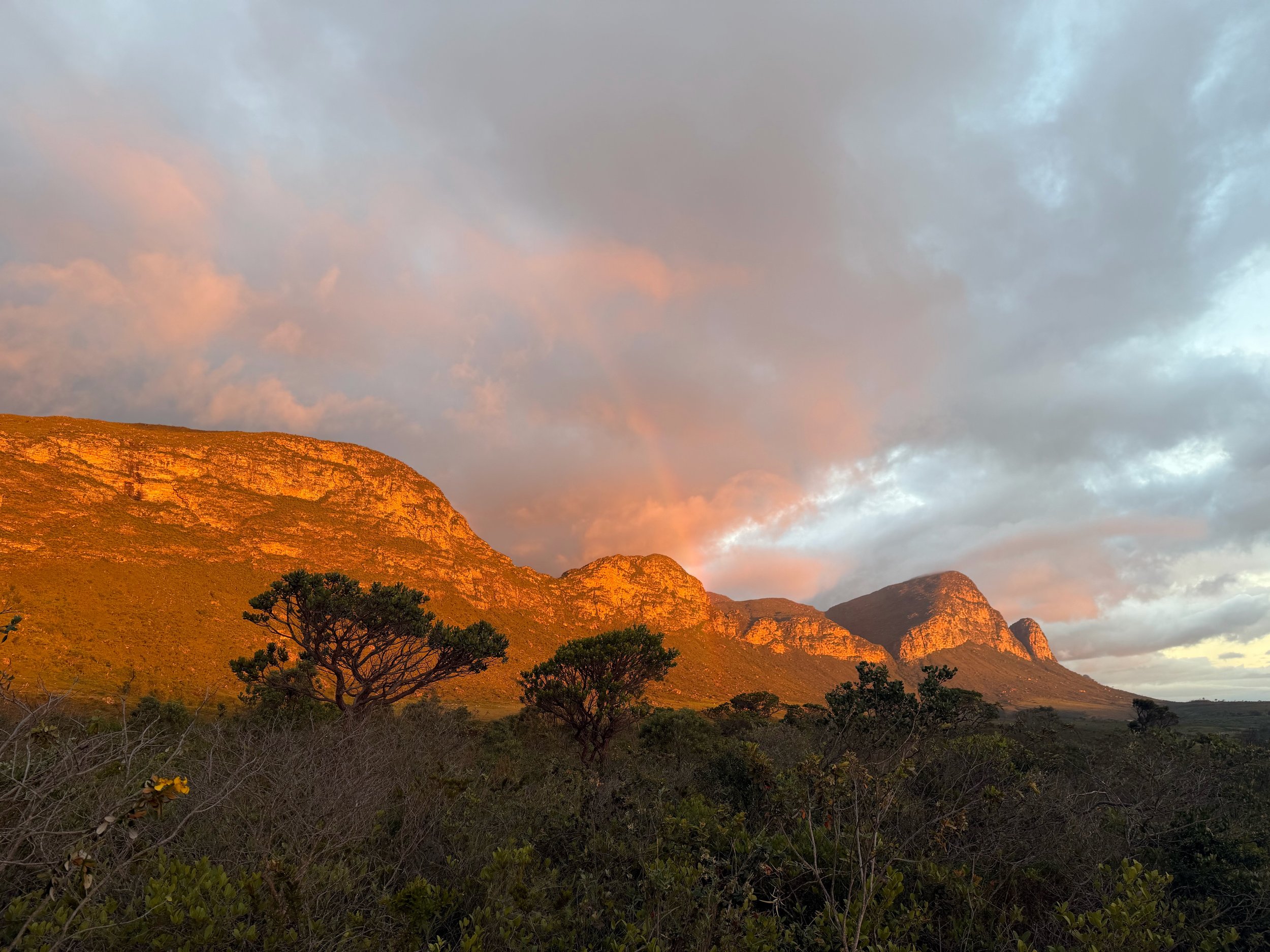
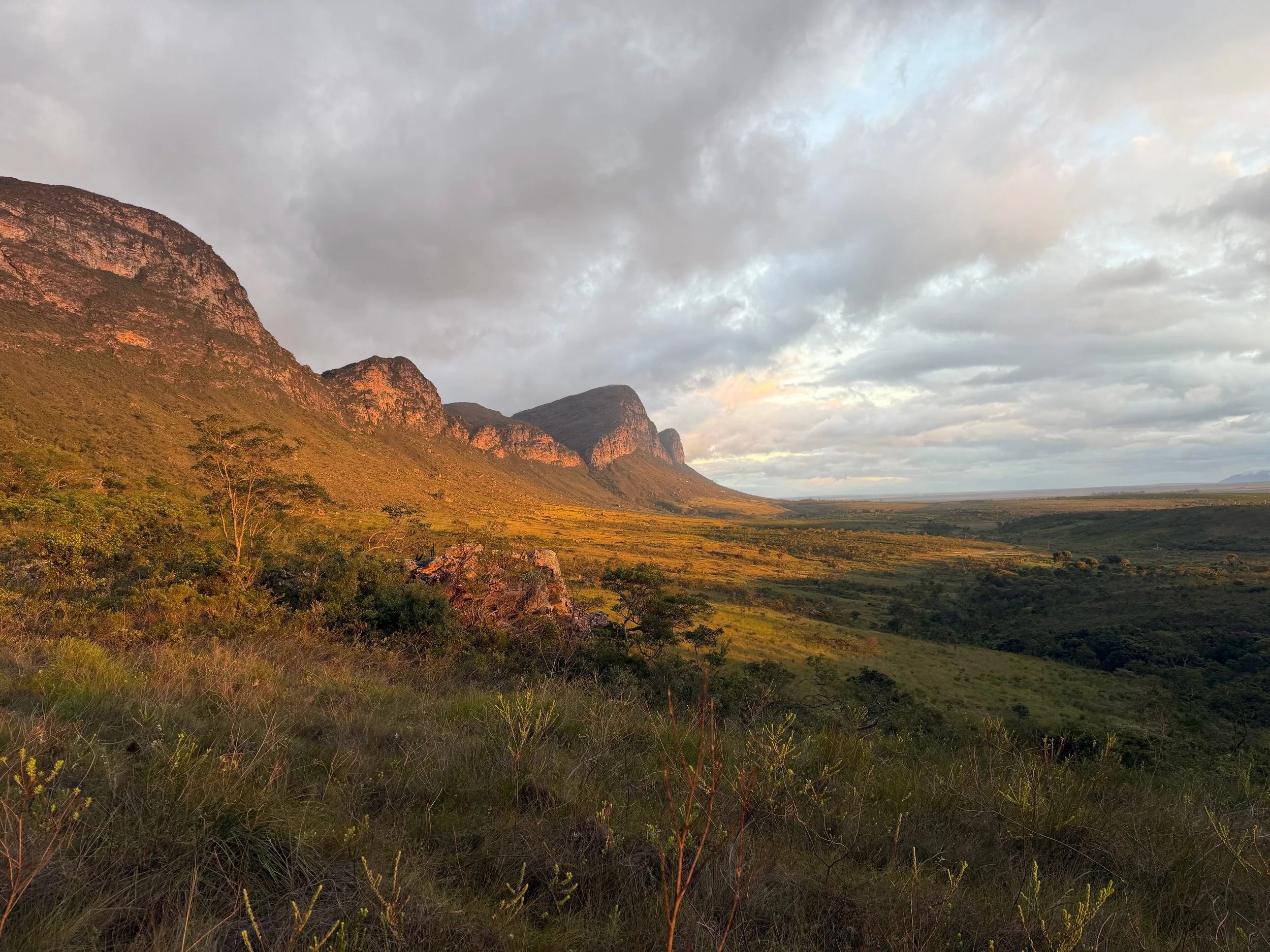
The final descent toward Guiné seemed to last forever. As the sun dropped lower in the sky, warm light spilled across the valley, painting the cliffs in shades of gold while a rainbow appeared in the distance. It felt like the kind of ending you couldn't have planned if you'd tried. Then, the car we’d tumbled out of together as strangers just four days before was steps from us. Strangers we certainly were no more. Four days ago, that parking lot had meant the adventure was just beginning. Now, it meant it was over.
The drive back to Lençóis was a jarring return to reality. Within an hour, we'd traded quiet trails for log-laden trucks overtaking each other on blind turns (my heart still races from this trip back to town!) and the familiar pace of modern life rushing back in.
It struck me how quickly we'd re-entered the outside world. The Vale do Pati had only been four days. But somewhere between the shared meals, the belly laughs, the coffee brewed beside mountain streams, and the stories Daniel shared along the trail, time had begun to feel different there, paused in a way.
I left expecting to remember the dramatic landscapes. Instead, what has stayed with me most is the feeling of this place. The generosity of the families who welcomed us into their homes. The conversations with my group and guide that unfolded more easily with each passing day. The reminder that some of the most meaningful travel experiences aren't about reaching a destination, but about allowing yourself to settle into the rhythm of a place long enough for it to change the way you see it, long enough to feel a connection to it, long enough to see yourself changed a little bit by it.
Long after the sore legs faded, that's what I carried out of this stunning valley.
Planning Your Vale do Pati Trek: Essential Logistics & FAQ
By the end of my four days trekking through the Vale do Pati, my legs were spent, my shoes were caked in red dirt, and I was already scheming my return. If you are planning a journey into Chapada Diamantina National Park, these are the critical logistics, gear, and itinerary questions I would have loved to have answered before arriving at the trailhead.
How Difficult is the Vale do Pati Trek?
The Vale do Pati trek difficulty is universally rated as moderate to strenuous. While daily distances vary based on your custom route, the primary physical challenge stems from hiking multiple consecutive days across uneven, rocky terrain.
You will face steep rocky climbs, technical boulder scrambles, river crossings, and long, knee-jarring descents. Because you are staying in local homesteads, you do not need to haul heavy tents or weeks of food—but you will still carry 4 days of clothes, layers, and personal gear on your back. If you are reasonably fit and have experience with full-day elevation hikes, you will thrive here.
Vale do Pati Itinerary: Should You Choose a 3-, 4-, or 5-Day Trek?
There is no single "best" route through the valley, but duration does dictate your pacing moreso than your route:
3-Day Itinerary: Best for travelers short on time. It operates at a rapid clip, hitting iconic highlights like the Igrejinha sector and major valley views, but leaves little time for resting.
4-Day Itinerary: The ideal sweet spot. I chose this route with PlanetaEXO, which allowed enough breathing room to climb Morro do Castelo, swim in Cachoeira dos Funis, and enjoy slow lunches by the river without feeling rushed.
5+ Day Itinerary: Highly recommended for deep wilderness immersion. This allows you to explore remote northern corners of the canyon, take dedicated rest days, and spend an extra night at varying family homestays.
Do You Need a Guide for Vale do Pati?
Technically, Chapada Diamantina does not legally mandate guides for all zones, meaning highly experienced backcountry navigators can hike independently. However, I strongly advise against going without a guide.
The valley features an intricate, entirely unmarked web of branching trails with zero cell service or trail signs. Furthermore, booking beds and meals at the remote family homesteads is logistically difficult for solo travelers, as resident families heavily prioritize licensed agency partnerships.
Our PlanetaEXO guide, Daniel, transformed our trek. Beyond basic navigation, his deep relationships with the valley's families and his knowledge of the region's complex botany, geology, and conservation efforts provided a layer of cultural depth that independent hikers simply miss.
If you do choose to book your guide through PlanetaEXO, don't forget that you can use the code NOMAPSAMBER at checkout to get 5% off your entire booking.
What Are the Vale do Pati Homestays Actually Like?
The unique homestay network is the absolute soul of the trek, offering simple but incredibly welcoming accommodations run by local families.
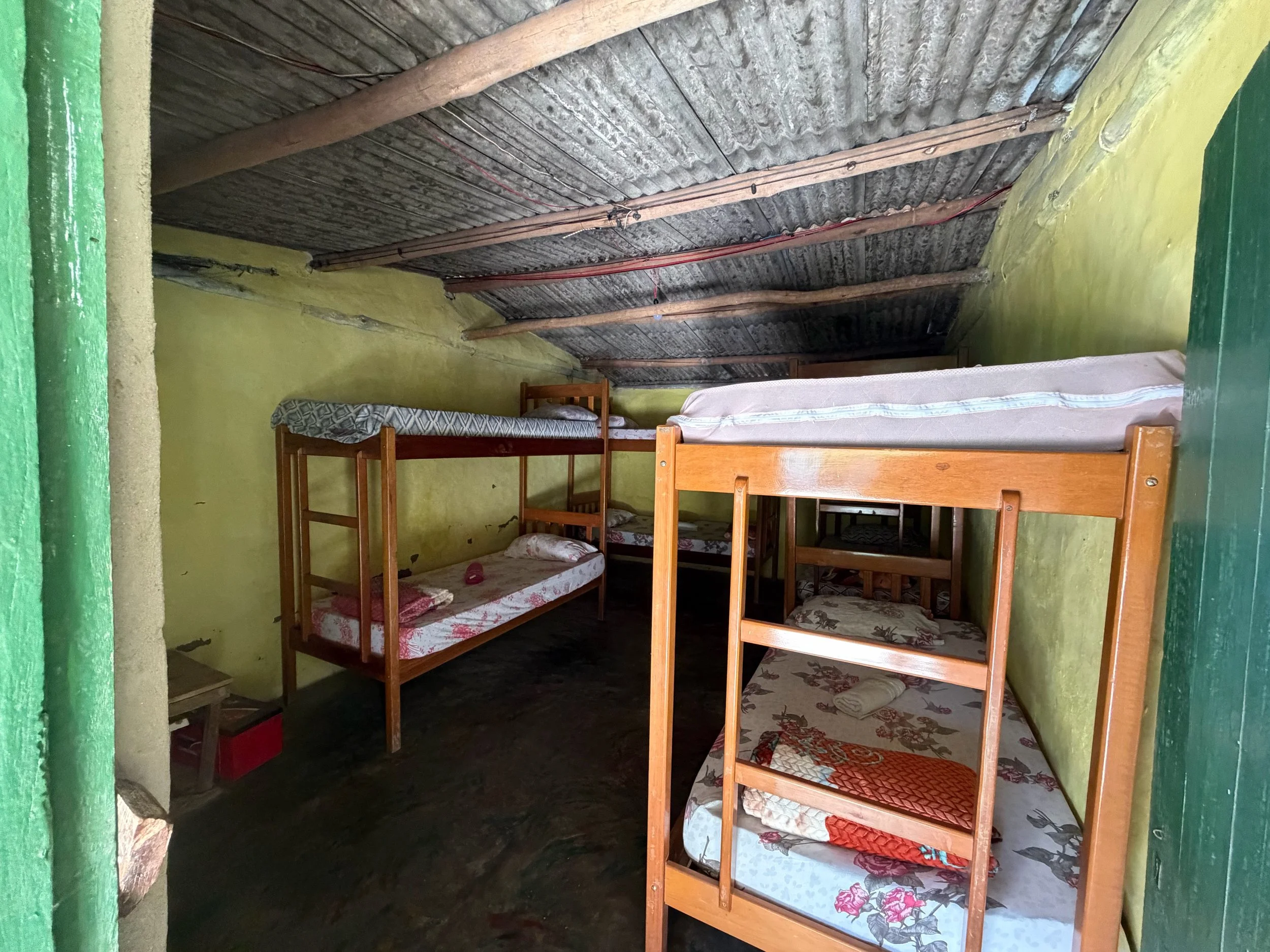
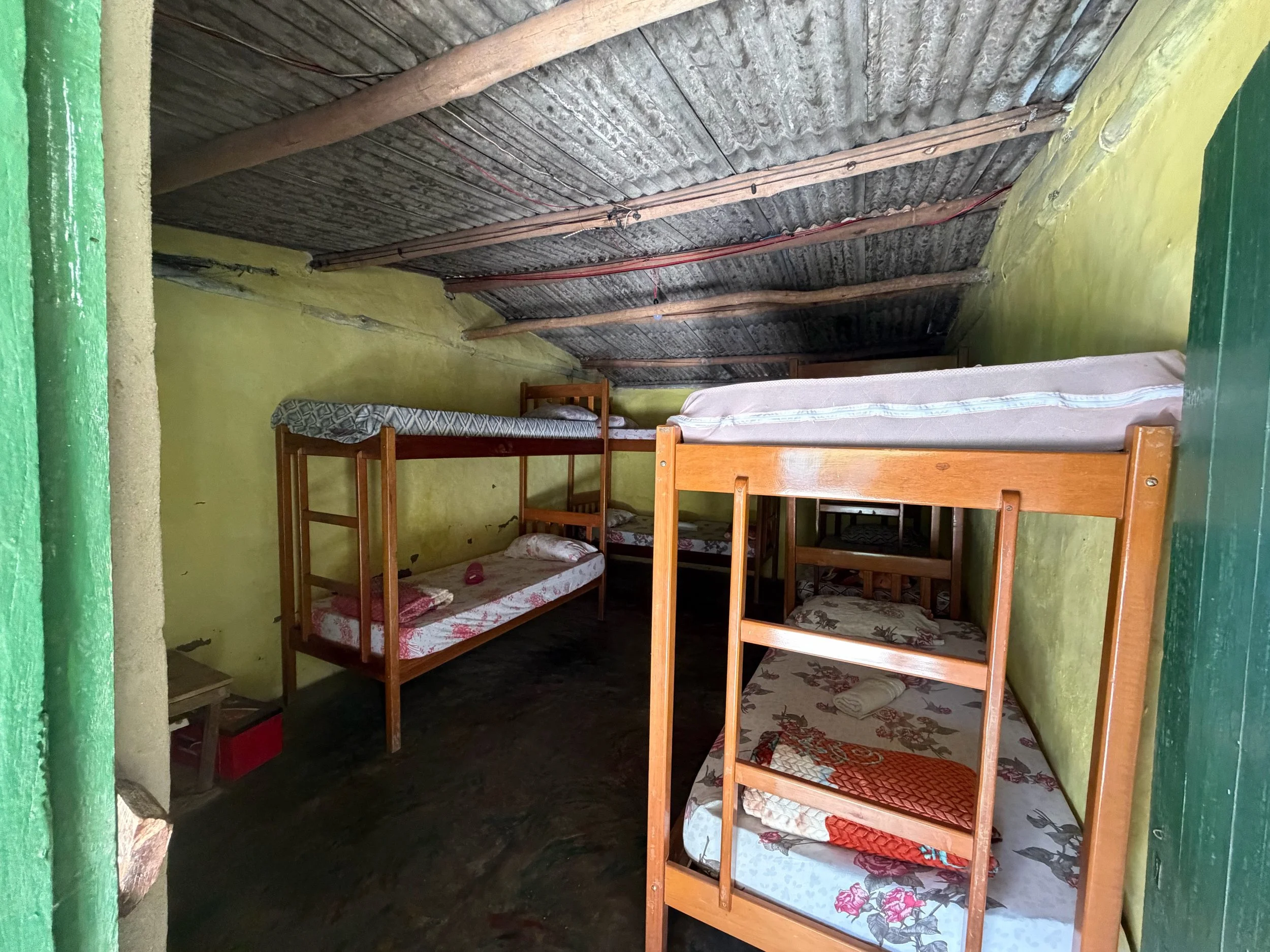
Sleeping: Expect clean, rustic, dorm-style shared rooms with bunk beds (a small number of private rooms exist for couples but must be booked in advance). There’s usually a separate male and female dorm.
Food: Homestay meals are legendary. You will be served mountain-sized, traditional Bahian dinners featuring rice, beans, chicken, local vegetables, and fresh tropical juices. There’s also usually a small market at each homestay that sells things like beer, water, and trail snacks. Bring cash if you want to purchase any of that.
Amenities: Showers are cold, and there is zero cell reception or Wi-Fi inside the valley (notify loved ones you’ll be offline!). Electricity is entirely solar-powered, meaning power outlets are highly limited; expect to share a single plug with dozens of hikers to charge your camera or phone batteries.
The Ultimate Vale do Pati Packing List
Because you must carry your own gear, pack ultra-light. Keep your bag under 25lb (10–12kg) and ensure you pack these absolute essentials:
Footwear: Sturdy, fully broken-in trail runners or hiking boots with aggressive grip, plus lightweight camp sandals or flip-flops for the evenings.
Trekking Poles: Indispensable for reducing knee impact on steep rock descents like Aleixo's Trail. Sometimes there are walking sticks left behind from previous groups at the trailhead, but I wouldn’t count on it. If you don't own a pair, investing in some durable, collapsible trekking poles is a lifesaver for this terrain.
Apparel: A technical, lightweight rain jacket, moisture-wicking layers for hot days, and warm fleece layers for the surprisingly crisp mountain nights.
Electronics: A high-capacity portable power bank (solar electricity means wall outlets are scarce or busy) and a reliable hands-free headlamp for navigating the dark homestays at night.
Health & Hydration: A 2L–3L refillable water bottle or reservoir, broad-spectrum sunscreen, polarized sunglasses, a wide-brimmed hat, and biodegradable insect repellent.
Finances: Ample physical cash (Brazilian Reais) for purchasing cold beers, sodas, or local snacks at the homestays, as credit cards do not work without signal.
When is the Best Time to Visit Chapada Diamantina?
You can hike the Vale do Pati year-round, but your experience will change dramatically depending on the season:
The Wet Season (November to March): The waterfalls (especially Cachoeirão) are stunningly dramatic, and the rivers are full. However, trails become slick mud, and rising river levels can temporarily close technical mountain passes.
The Dry Season (May to October): Offers the most stable, predictable hiking conditions with clearer blue skies and cooler trekking temperatures, though some waterfalls may reduce to a trickle.
Booking a Responsible Trek with PlanetaEXO
I completed my journey through PlanetaEXO and highly recommend their team. They flawlessly coordinated our round-trip overland transportation from Lençóis to the remote Guiné trailhead.
Crucially, PlanetaEXO actively practices community-based tourism by intentionally rotating the specific homestays they book, ensuring that vital trekking income is distributed evenly across all 14 families who call the valley floor home. If you want a seamless wilderness expedition that directly protects and sustains the local community, they are the gold standard.
And if you do end up booking a route through them, don't forget you can toss in my special discount code NOMAPSAMBER at checkout to knock 5% off your trip!
Is the Vale do Pati Trek Worth It?
Before embarking on the trek, I assumed the cinematic viewpoints of Chapada Diamantina would be what permanently burned into my memory.
And they certainly have.
I still think about standing at the terrifying edge of the Cachoeirão canyon, watching waterfalls plunge hundreds of feet into the abyss below. I still remember the endless quartzite mountain ridges stretching toward the horizon, and the golden, ethereal light that settled across the valley on our final afternoon descent.
But those aren't the memories that return to me most often.
Instead, I find myself thinking about the simple coffee break beside an unnamed stream while we soaked our aching feet in the cool current. I think about the marathon dinners around a shared wooden table after am exhausting day on the trail. I think about the stories Daniel shared that transformed a beautiful landscape into a deeply meaningful history, and the local families who welcomed complete strangers into their homesteads with overwhelming generosity.
That is what sets the Vale do Pati entirely apart.
There are plenty of spectacular trails in the world. Few, however, leave you feeling like you have been genuinely invited into a community's way of life rather than simply passing through it as a tourist.
If you are hunting for dramatic scenery, physically challenging routes, and undoubtedly the best multi-day trekking experience in Brazil, you will absolutely find it here. But if you leave the valley talking only about the viewpoints, I think you will have completely missed the best part.
Lençóis Guide: How to Maximize Time Pre- and Post-Trek
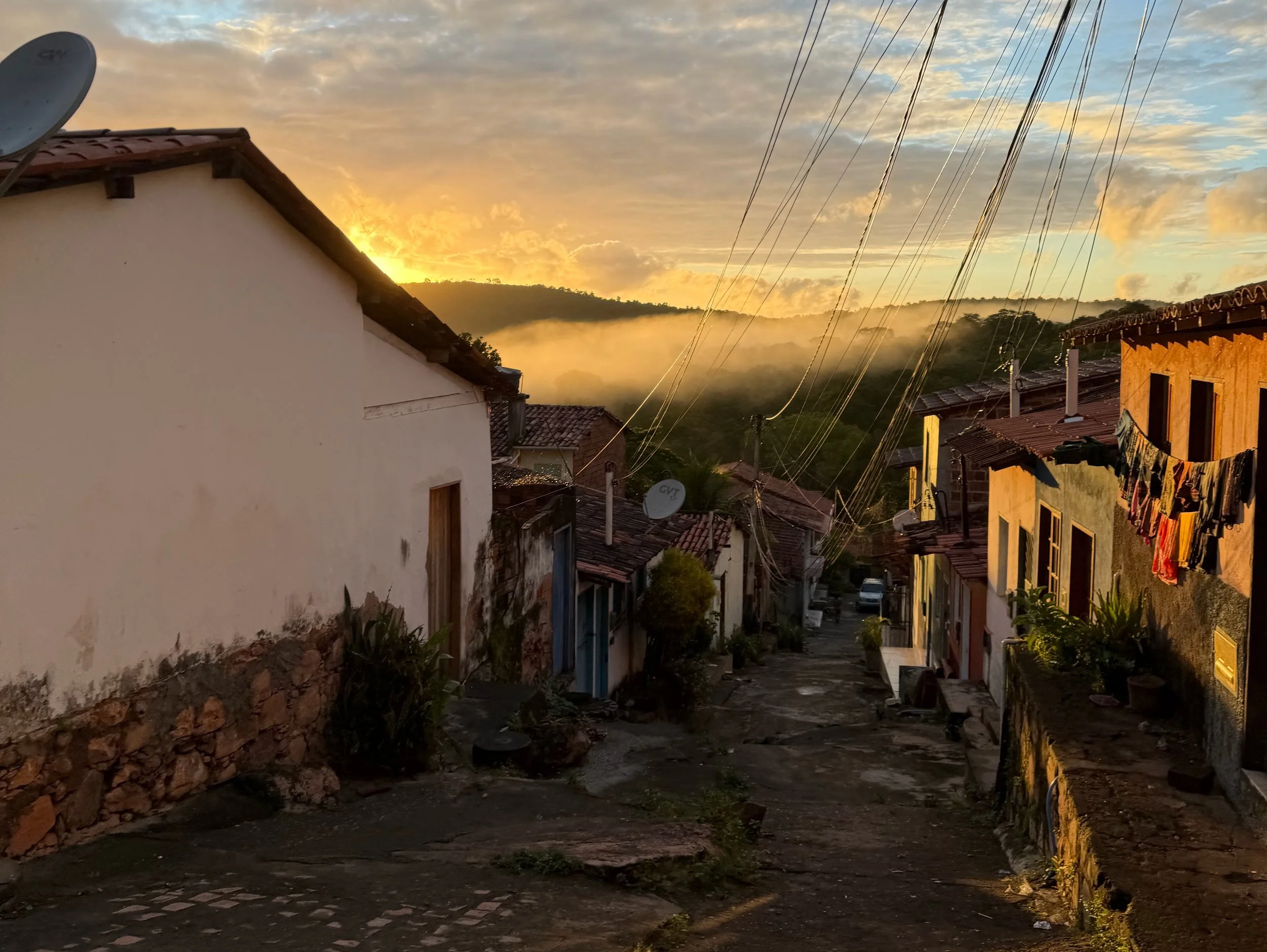
While the Vale do Pati is undoubtedly the crown jewel of Chapada Diamantina, do not make the classic mistake of treating the colonial town of Lençóis as simply a transient place to sleep before and after your trek. This vibrant, historic hub deserves to be savored. It boasts enough wilderness trails, cobblestone charm, swimming holes, and incredible gastronomy to easily fill a few extra days on your itinerary.
What to Do in Lençóis Before Your Trek
I highly recommend arriving in town at least one full day before your backcountry departure. Beyond allowing you to recover from transit (which is likely an overnight bus from Salvador), organize your gear, and adjust to the slower rhythm of interior Bahia, it gives you a dedicated window to explore Lençóis in its own right.
If you want to loosen up your muscles before committing to consecutive heavy days on the trail, two great day hikes sit right within walking distance of the town center:
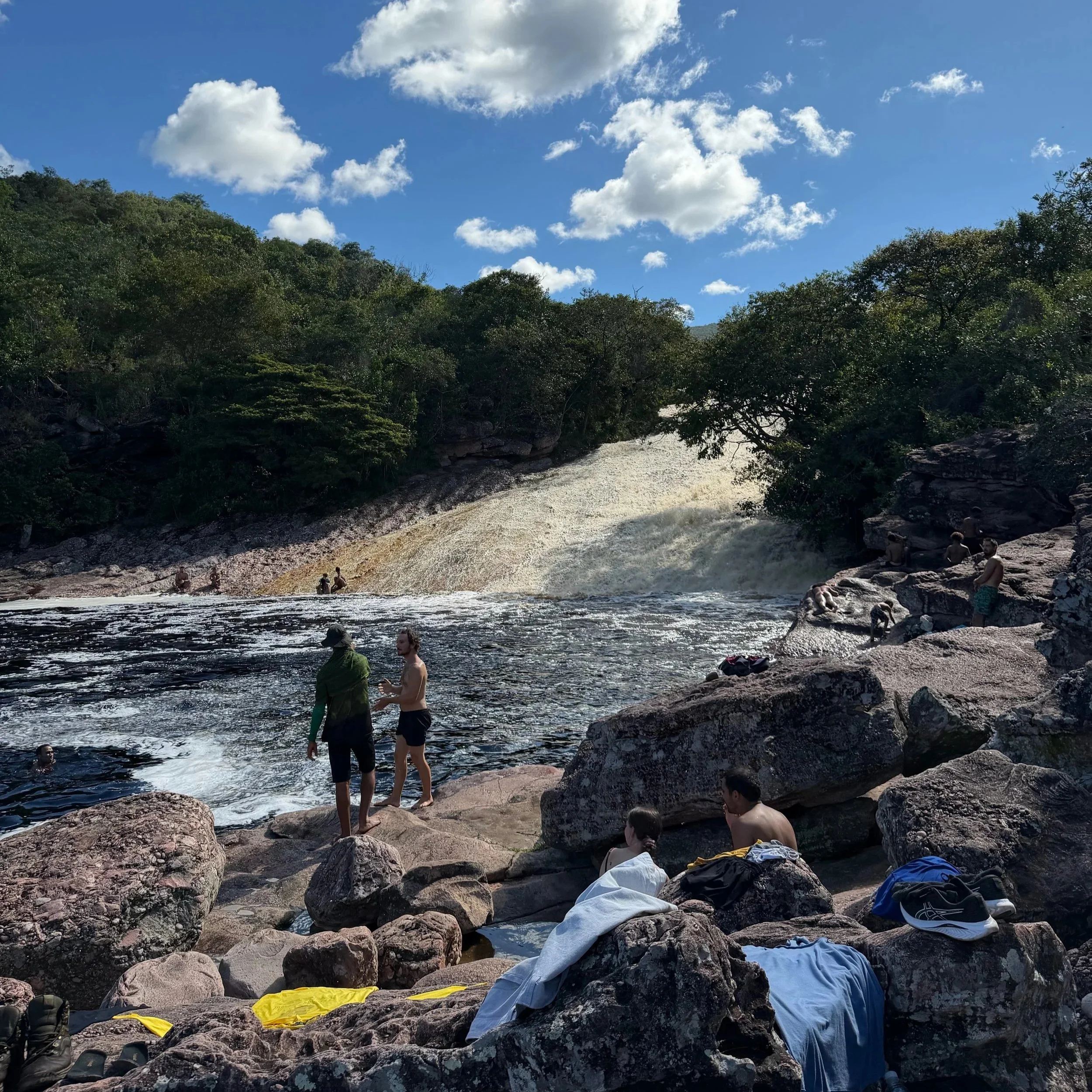
A slightly more adventurous track winding to one of the area's most famous canyon swimming holes, complete with a massive, naturally smooth rock waterslide. Bring cash as there are usually a few guys with coolers selling beer, soda, and water.
The route is fairly straightforward, but if you prefer to have a map, AllTrails has the route. Just be sure to download it before you hit the trail, as cell signal is spotty.
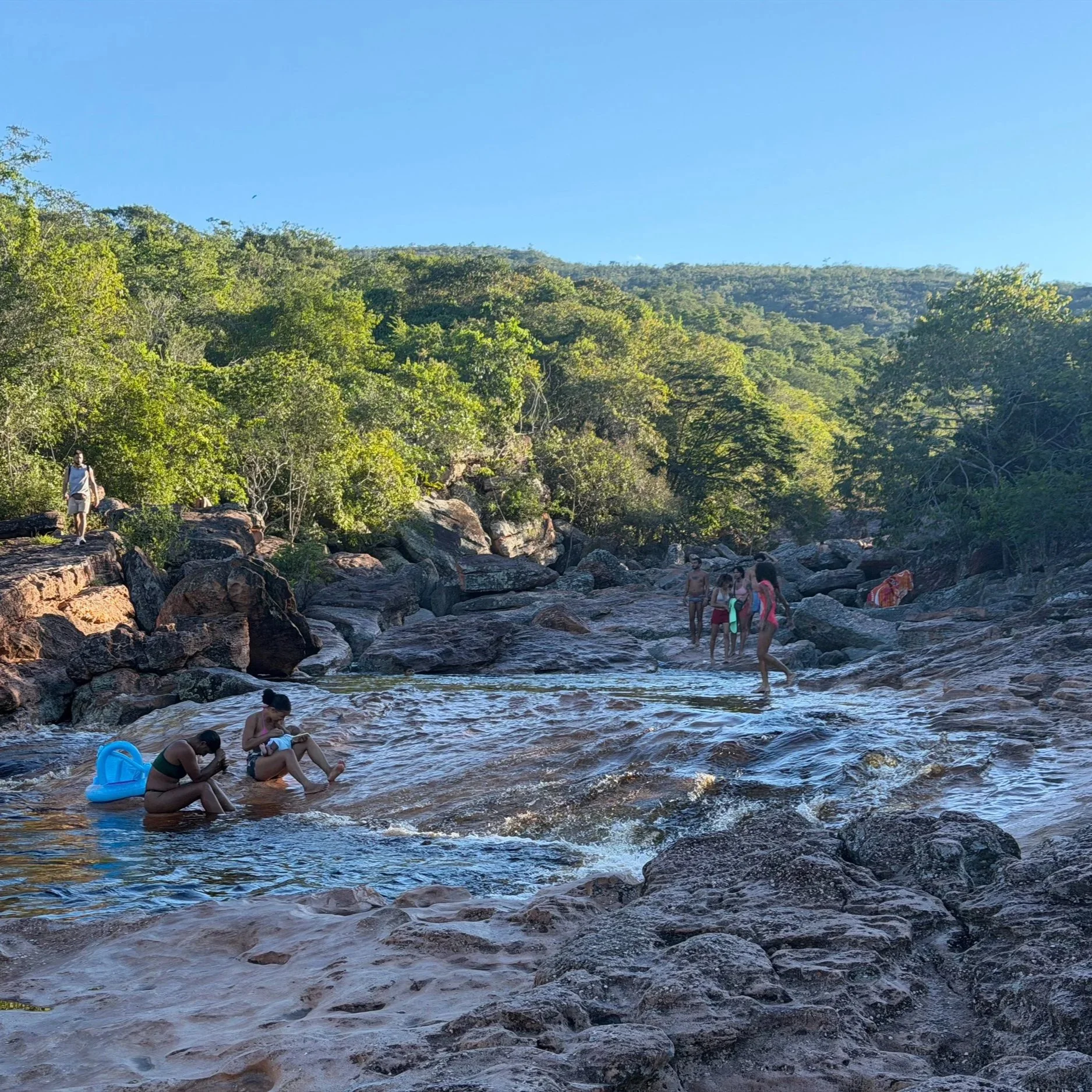
An easy, interlocking trail network connecting panoramic vistas with the multi-tiered Serrano natural pools, which serve as an excellent introduction to the region's quartz-veined topography.
Your R$20 entry is good for three consecutive days, so maybe factor that in when you purchase if you know you’ll be staying in Lençóis longer on the frontend or backend of your trek.
Once you’re back in town town:
Grab an artisanal coffee at Café Santa Fé
Score a scoop of regional fruit ice cream from Bendito Sorvetes Artesanais
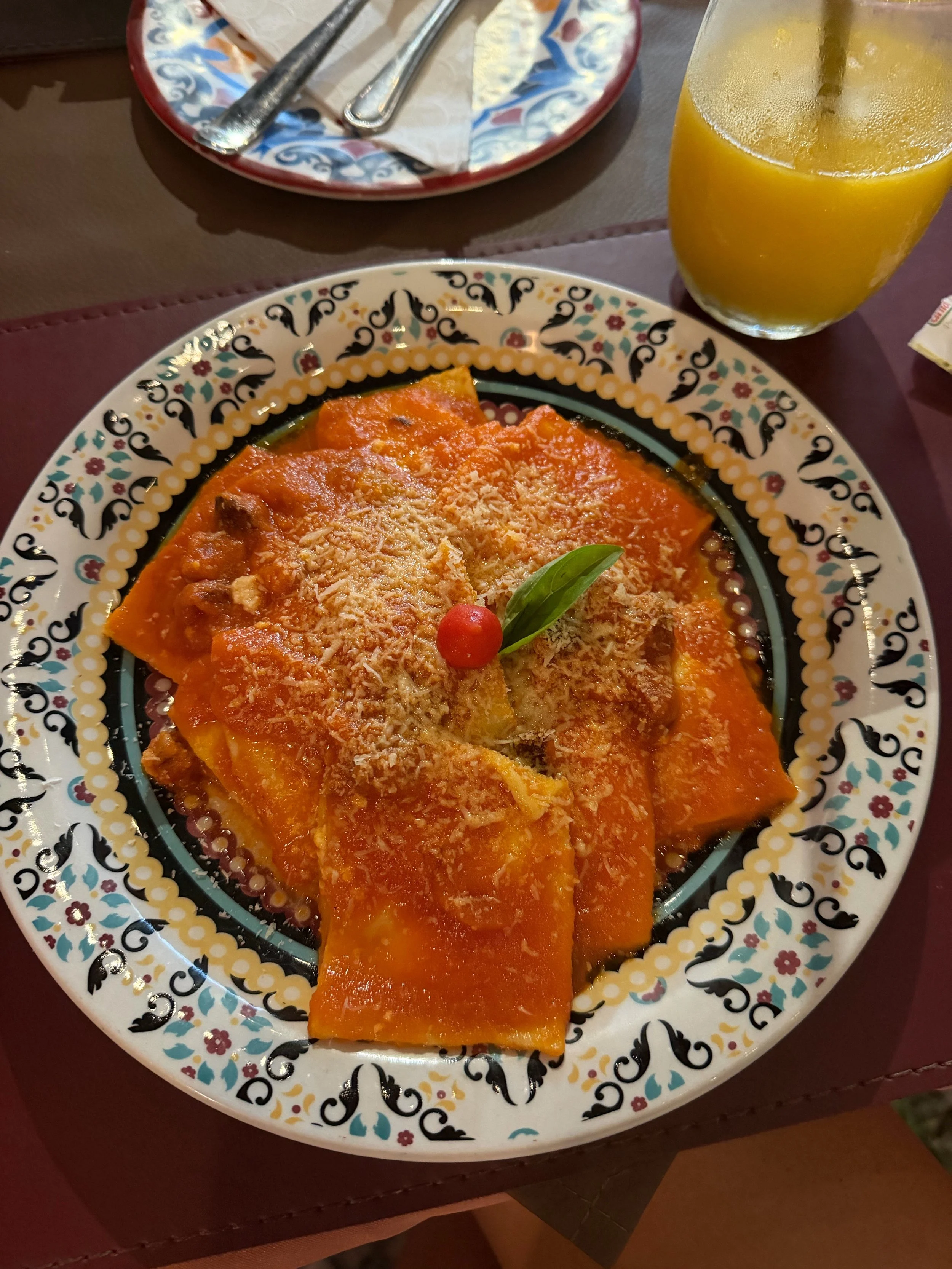
Carb-load for the trail with an authentic pasta dinner at Cozinha Italiana da Marisa.
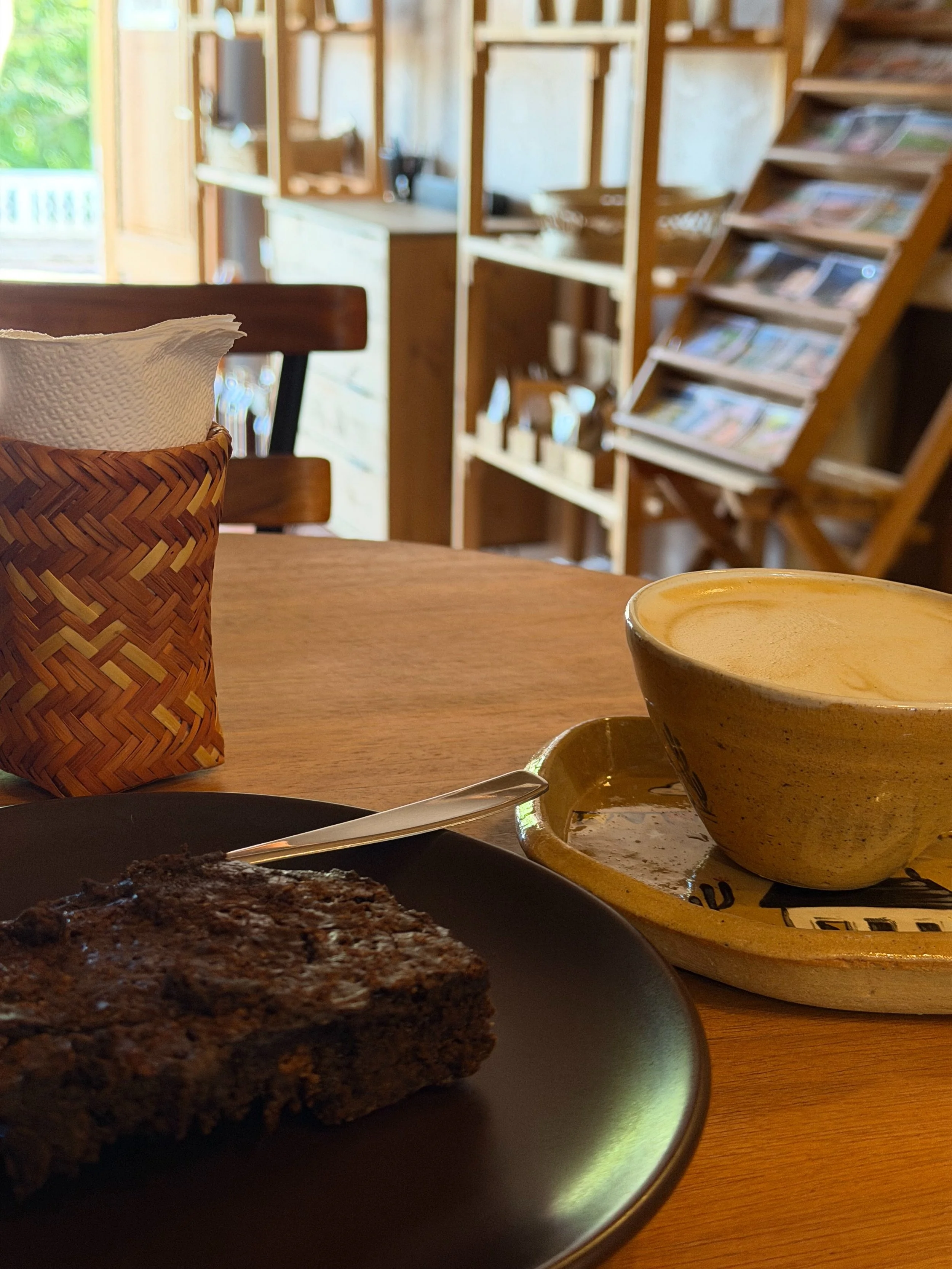
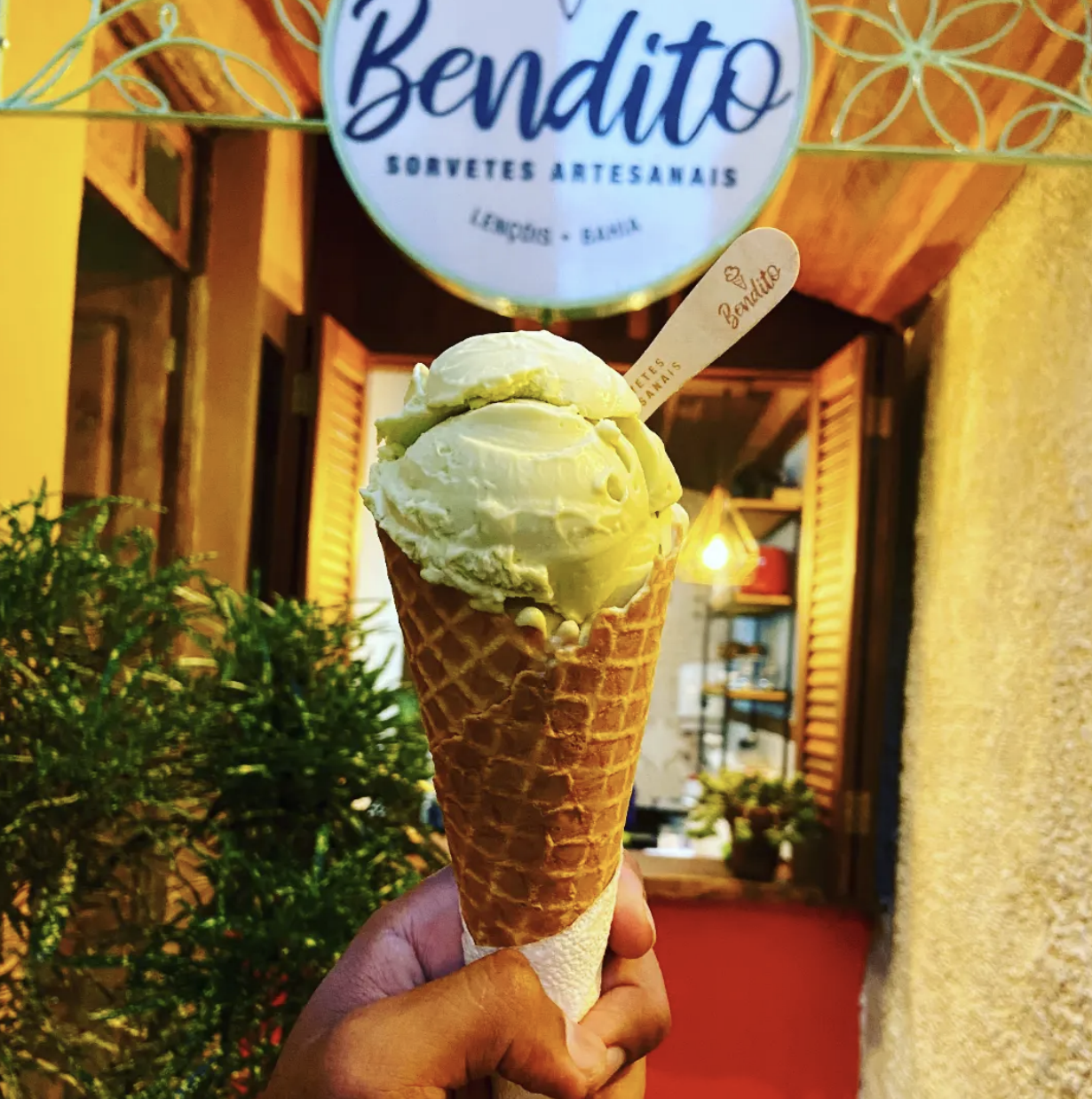
Where to Stay in Lençóis
For an ideal base camp in Lençóis, I recommend Pousada Vila Serrano. Nestled in peaceful tropical gardens, its comfortable rooms include a private patio and hammock, while the grounds hold a swimming pool, yoga shala, reading nook, and exceptionally generous local breakfast. I stayed here on the backend of my trek for two nights and it was the perfect place to rest and recover. Had I realized how restful it was, I would have stayed here on the frontend too.
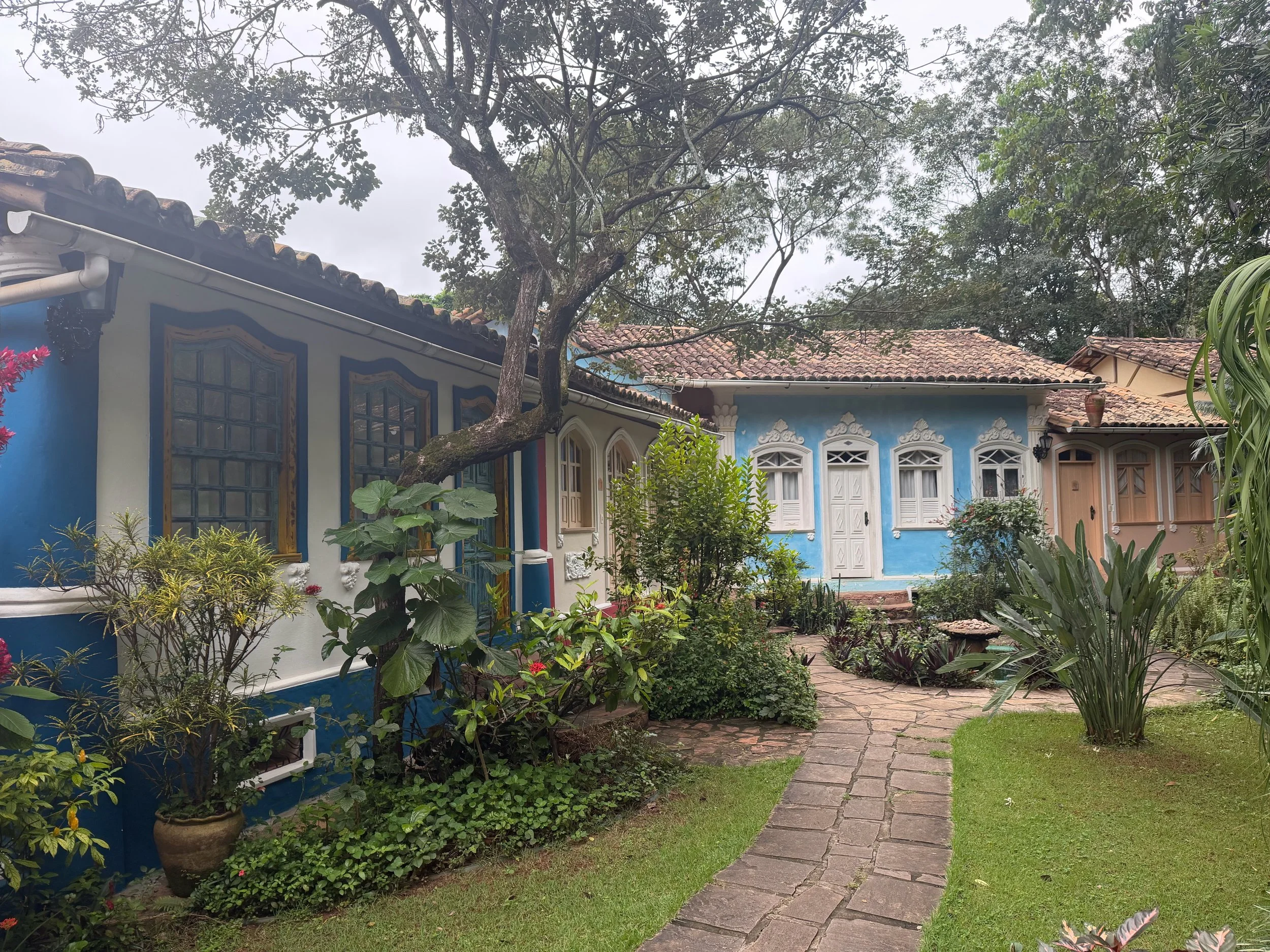
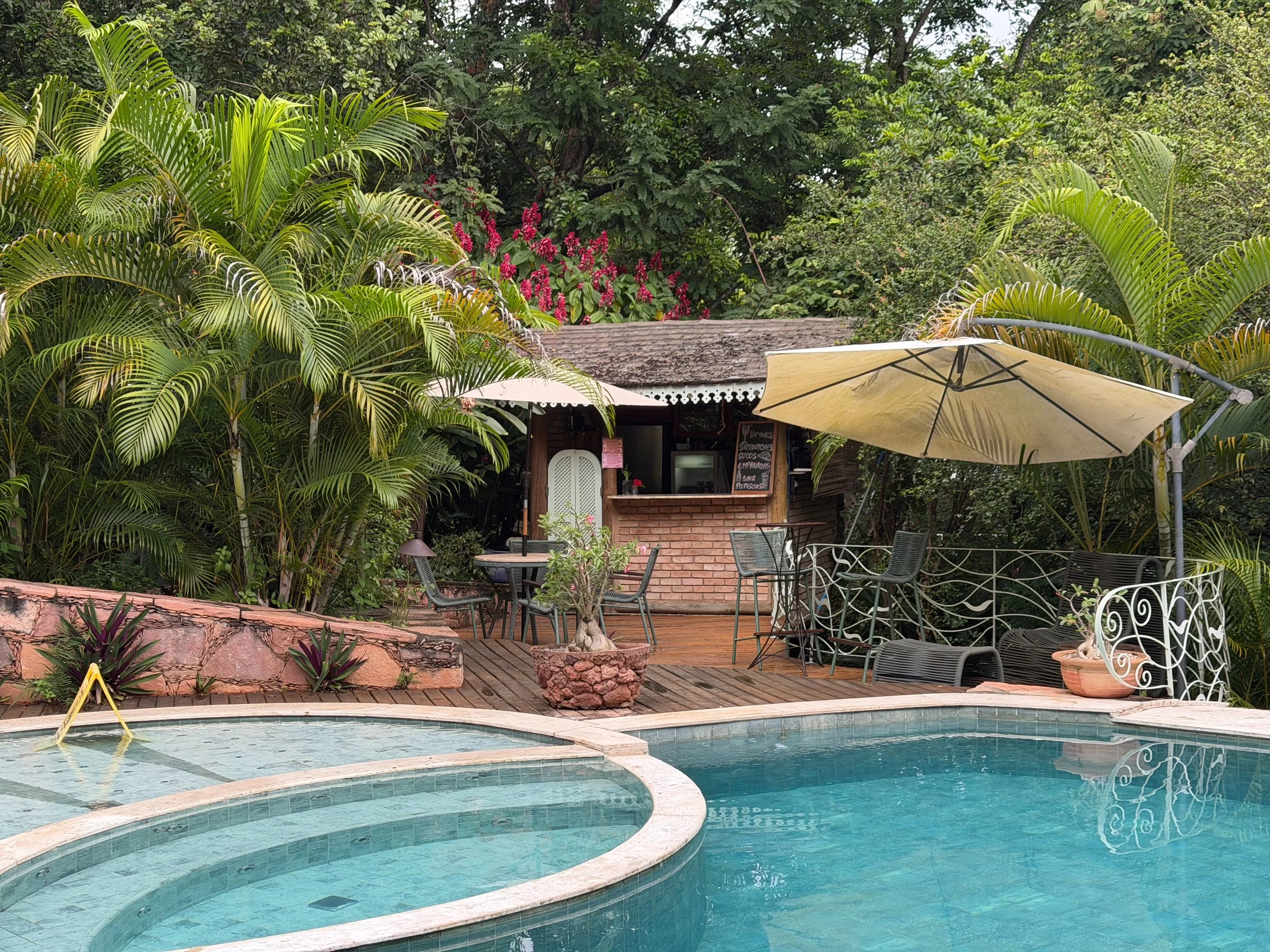
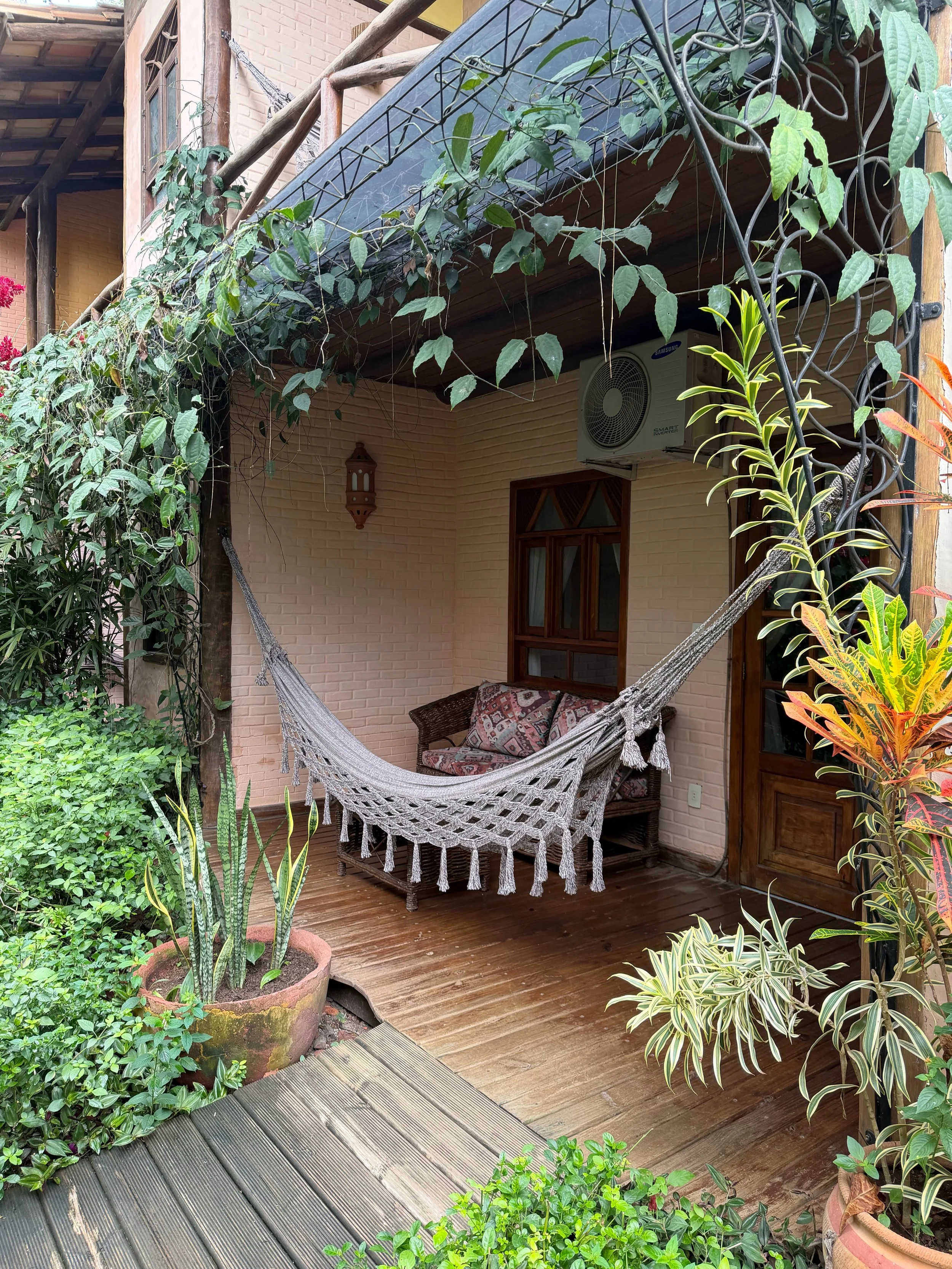

If they are fully booked for your dates, or if you simply want to browse other local pousadas and hostels in town, you can check out real-time availability on the interactive map below or try searching Booking.com or Hostelworld.
What to Do in Lençóis After Your Trek
If your itinerary allows, do not sprint out of town the moment you step off the trail. After consecutive days of strenuous climbing, your body will crave a buffer night to shower, decompress, and let the sheer scale of the journey sink in. Trust me, the rest of my group was jealous I had a room booked in town (and even more jealous when they saw it was Pousada Vila Serrano) rather than an overnight bus like they had booked.
One of the absolute best logistical decisions I made was booking a post-trek massage with a local specialist named Bruno of After Trail, located in the heart of Lençóis. His therapeutic bodywork, relaxing massage space, and use of aromatherapy and sound therapy during the massage, was exactly what my legs, my mind, and my soul needed after four days of relentless descents and carrying a heavy backpack up, down, and all around that valley. If he’s around and accepting bookings, definitely schedule an appointment with him!
To celebrate your wilderness milestone, follow up your massage with a table at Lampião Cozinha Nordestina. While it operates at a slightly higher price point than casual corner spots, it is an incredible space to indulge in elevated, contemporary Bahian cuisine and toast to an unforgettable expedition, hopefully with a few, if not all, of your trailmates.
How to Travel to Lençóis, Brazil
As the primary tourism gateway to Chapada Diamantina National Park, Lençóis is easily accessible from the state capital, Salvador.
By Air: You can fly directly into Lençóis Airport (LEC) via Azul Brazilian Airlines, though flight schedules are typically limited to certain days of the week. Check Booking.com Flights to see if you can snag the local rate without a CPF (Brazilian tax ID number). Every now and then on my Brazil trip, I managed to save a good bit of money by booking there vs. directly on the airline’s site as a foreigner.
By Bus or Car: Most travelers choose the cost-effective highway route. I did too. I took the overnight long-distance bus from Salvador and found it to be a comfortable, budget-friendly way to maximize travel time, letting me wake up right in town ready to explore. If you book early enough in advance, you might even snag one of their full lay-flat seats (leito) or partially lay-flat seats (semi-leito). If you prefer this way of arriving, you can seamlessly compare transit timetables and secure your seats online in advance through Busbud.
Whether you arrive early to wander the historic avenues or linger late to properly recover, dedicating real time to Lençóis adds a rich cultural layer to your journey. The Vale do Pati may be the catalyst that brings you to the heart of Bahia, but Lençóis will be the place you keep wanting to add another night in.
Thanks for Reading!
If this guide helped you plan your trip, there are a few small ways you can support my work—completely optional, but genuinely appreciated.
Share this guide with someone planning to trek in Brazil.
Say hi on Instagram! I'm @nomapsorfoottracks and I always love hearing where my work leads you, and what you’ve discovered yourself.
Book through my trusted travel partners. If you use the links below, I may earn a small commission at no extra cost to you. It helps keep this blog free and allows me to continue creating detailed travel and surf guides like this one.
Booking.com or Hostelworld for hotels and hostels
GetYourGuide or Viator for tours and experiences
Bookawayor Busbud for buses, ferries, and transfers
DiscoverCars for car rentals
SafetyWingfor travel insurance
Sim Local for travel eSIMs
Or, for the complete list of companies and services I personally recommend, visit my Travel Resources page.
Thank you for being here, and bom caminho!
Read More of My Brazil Travel Guides
Planning Your Trip
Brazil Travel Tips: What to Know Before You Land (Visa, Money & Safety)
Connectivity Guide:How to Get a SIM Card or eSIM in Brazil
The Bahia Coast & Beyond
Context:A Before-You-Go Introduction to Bahia, Brazil’s Afro-Brazilian Heart
Salvador:The Cultural Threads to Follow, Best Neighborhoods To Stay & How To Stay Safe
Boipeba: What to Do & Where to Stay in This Car-Free Island Paradise in Bahia
Itacaré:The Tips I Wish I’d Had from Best Beaches to Where To Stay, and Where to Find Peace or a Party
Maraú Peninsula: Exploring Algodões, Taipu de Fora, Cassange & Barra Grande
Surf Camp Recommendation: My Experience at the New Surf & Yoga Retreat on Bahia’s Dendê Coast
Rio de Janeiro: 13 Things to Do That Aren’t Christ the Redeemer, Sugarloaf, & The Beach
What to Read Next